China Top Solar Roof Cost How Much Do Buyers Pay?

China’s solar roof market has expanded quickly, but pricing remains less simple than many buyers expect. The solar roof cost depends on roof area, panel type, installation quality, inverter capacity, storage needs, and local labor rates. A compact village home may require a very different budget from a large urban property.

This guide examines what Chinese buyers may actually pay for rooftop solar systems. It compares standard photovoltaic panels, integrated solar tiles, mounting materials, batteries, grid connection fees, and maintenance expenses. We also consider quotations from installers, product specifications, warranty terms, and practical installation experience. A low initial quote can look attractive. It may exclude scaffolding, roof repairs, monitoring equipment, or future battery replacement.

Regional differences matter. Prices in coastal manufacturing centers may differ from costs in inland cities. Roof orientation, shading from nearby buildings, and seasonal sunlight also affect the system’s financial value. Buyers should request itemized quotations, verify certifications, and check whether the installer has completed similar projects.

There is no universal price.

Any average figure can mislead. Supplier discounts, changing component prices, and household electricity use may shift the final result. Even a careful estimate has blind spots, especially when roof structures need reinforcement. This overview aims to provide a practical, evidence-based starting point rather than an unrealistic promise. By reviewing real cost components and common purchasing mistakes, readers can judge whether a proposed solar roof investment appears reasonable, durable, and suitable for their home.
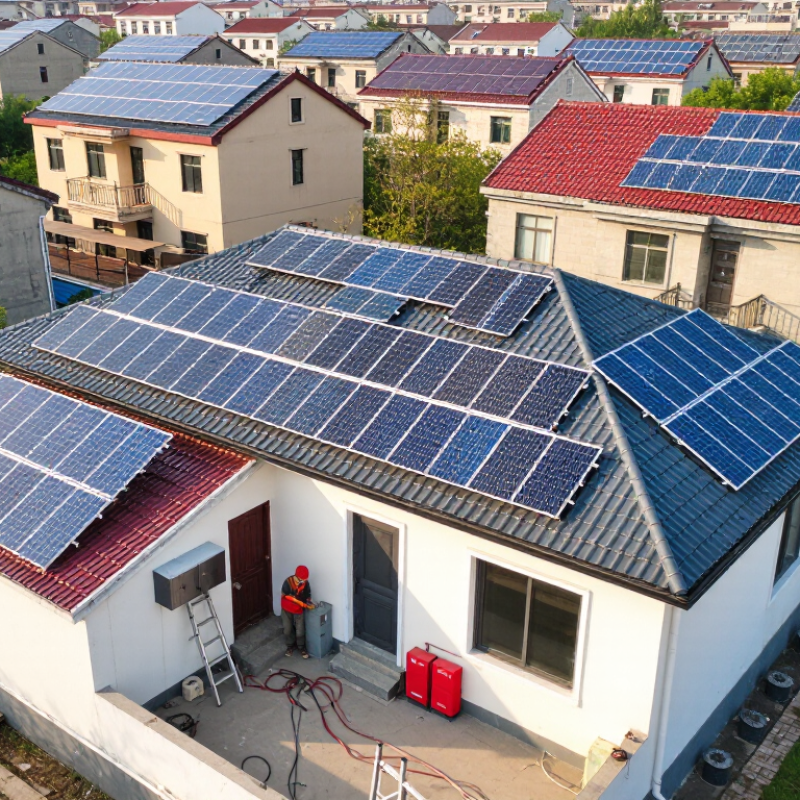
China Top Solar Roof Cost How Much Do Buyers Pay?

What Defines a Top Solar Roof in China

A top solar roof in China is not defined by panel wattage alone. It combines energy production, structural safety, waterproofing, and long service life. The roof must suit local weather, from coastal humidity to northern snow and strong seasonal winds. Engineers should inspect roof age, load capacity, drainage, and shadow patterns before proposing equipment.

Material quality matters. High-efficiency modules can improve output where roof space is limited. Inverters should include reliable monitoring and suitable protection systems. Cables need careful routing, sealed joints, and resistance to heat and moisture. Fire safety and grid-connection requirements also affect the design. Small details matter.

The roof should remain easy to inspect. A beautiful system that is difficult to repair is not truly top quality. Buyers commonly pay more for reinforced structures, better waterproof layers, and integrated solar tiles than for a basic rooftop installation.

Actual prices depend on capacity, roof condition, labor, storage, and local approvals. A modest home system may cost tens of thousands of yuan, while premium integrated designs can cost far more.

A practical warning: projected output is not guaranteed. Dust, shade, high temperatures, and poor maintenance reduce real production. Some quotations also hide replacement costs or exclude roof repairs. Buyers should request itemized pricing, performance assumptions, warranty terms, and maintenance responsibilities in writing. The strongest decision is not always the cheapest one.
The Main Cost Components of a Solar Roof

China Top Solar Roof Cost: How Much Do Buyers Pay?

A solar roof’s price in China depends on more than the panels. The main cost components include photovoltaic modules, mounting structures, inverters, wiring, labor, and roof preparation. Waterproofing repairs may be necessary before installation. A typical home project can cost tens of thousands of RMB, while adding batteries increases the budget considerably. Battery capacity, backup requirements, and installation space strongly affect the final quote.

Roof structure matters. A tiled roof may require different supports than a concrete roof. Difficult access can raise labor charges. Buyers should also check whether monitoring equipment, grid connection work, permits, and after-sales inspections are included. In practice, a low initial quote can hide replacement or maintenance costs. My first estimate might be wrong if I ignore roof reinforcement or local labor rates. Prices should be compared through detailed, written quotations.

Tips: Ask for separate prices for equipment, installation, waterproofing, and electrical work. Confirm the warranty period and expected annual output. Request a shade assessment at different times of day. Keep some budget for future inverter replacement. A cheap system is not always the cheaper roof.

Typical Prices Chinese Buyers Pay for Solar Roofs

Typical Prices Chinese Buyers Pay for Solar Roofs

In China, household solar roof prices usually depend on the roof structure, system size, and installation conditions. For panels installed above an existing roof, buyers often see about RMB 3 to RMB 5 per watt. A 10-kilowatt system may therefore cost RMB 30,000 to RMB 50,000 before optional battery storage.

Building-integrated solar roofing costs more. Prices commonly range from RMB 5 to RMB 10 per watt because the system replaces ordinary tiles and requires stronger waterproofing. A 100-square-meter roof may support roughly 10 to 15 kilowatts, depending on shading and roof direction. That creates a practical project range of RMB 50,000 to RMB 150,000.

Storage changes the budget quickly. A household battery may add around RMB 1,000 to RMB 2,500 per kilowatt-hour, including basic installation. A 10-kilowatt-hour unit could add RMB 10,000 to RMB 25,000. These are market estimates, not guaranteed quotes. Rural areas may offer lower labor costs, while difficult roofs increase scaffolding and wiring expenses. Grid connection fees and local incentives also vary by province.

A low quote deserves careful checking. Does it include waterproof repairs, permits, monitoring equipment, and after-sales service? Some buyers focus on panel capacity and overlook roof maintenance. That mistake can become expensive. The final contract should list equipment specifications, installation standards, warranty coverage, and expected annual generation in clear language.

How Roof Size, Materials, and Location Affect Cost

In China, a residential solar roof usually costs about RMB 3.5–6 per watt before subsidies, financing, or major roof repairs. A 10 kW system may therefore require RMB 35,000–60,000. The National Energy Administration reported 277.17 GW of new solar capacity in 2024, showing strong market scale and continuing price pressure. However, equipment prices do not equal the final household bill. Installation quality matters.

Roof size changes the calculation. A 100-square-meter roof may only provide 60–75 square meters for panels after setbacks, vents, and shaded areas. Standard modules generally offer the lowest cost. High-efficiency modules can produce more electricity in limited space, but their higher price may not suit every roof. Building-integrated photovoltaic materials look cleaner, yet they often involve more complex waterproofing and labor. That difference can be substantial.

Location also changes the result. Coastal provinces may face corrosion concerns, while northern areas need stronger mounting for snow and wind. Urban projects can cost more because of scaffolding, access limits, and stricter structural checks. The China Photovoltaic Industry Association’s 2024 market report documented major declines in module prices, but installation and civil-work expenses did not fall equally. Buyers should request a written breakdown for modules, inverters, mounting, labor, grid connection, and maintenance. Some estimates look attractive because roof reinforcement is quietly excluded. That is a weakness worth questioning.

China Top Solar Roof Cost: How Much Do Buyers Pay? — How Roof Size, Materials, and Location Affect Cost

Indicative residential rooftop solar PV costs in China. Figures are shown in RMB and represent typical turnkey installation ranges before subsidies, financing costs, or unusual structural reinforcement.

Roof Size Estimated Usable Area Typical System Size Roof Material Typical Installation Cost Estimated Total Cost Location Effect Main Cost Considerations
50 m² 35–40 m² 4 kW Concrete flat roof ¥3.6–¥4.8/W ¥14,400–¥19,200 Lower-cost inland or eastern urban area Compact system, simple mounting, short cable runs, and limited structural work.
100 m² 70–80 m² 8 kW Concrete flat roof ¥3.5–¥4.6/W ¥28,000–¥36,800 Typical national residential range Good balance between system size and installation efficiency; ballast or anchoring may be required.
150 m² 105–120 m² 12 kW Concrete flat roof ¥3.3–¥4.4/W ¥39,600–¥52,800 Lower in areas with strong installer competition Larger systems generally reduce the per-watt cost, although grid-connection requirements may increase.
100 m² 70–80 m² 8 kW Metal sheet roof ¥3.7–¥4.9/W ¥29,600–¥39,200 Coastal areas may cost more because of corrosion-resistant hardware Requires roof-condition checks, waterproof fasteners, and suitable clamps or rails.
100 m² 65–75 m² 7 kW Clay or ceramic tile roof ¥4.2–¥5.8/W ¥29,400–¥40,600 Higher in areas with expensive skilled labor Slower installation, more roof-access precautions, and a greater risk of tile replacement.
100 m² 65–75 m² 7 kW Colored steel tile roof ¥3.8–¥5.2/W ¥26,600–¥36,400 Moderate regional variation Lightweight mounting is usually suitable, but rust, panel loading, and roof age must be checked.
200 m² 140–160 m² 16 kW Concrete flat roof ¥3.1–¥4.2/W ¥49,600–¥67,200 Often more competitive near major installation markets Bulk equipment and labor savings may lower the unit price; additional protection devices may be needed.
100 m² 70–80 m² 8 kW Concrete flat roof with battery storage ¥6.5–¥10.5/W equivalent ¥52,000–¥84,000 Remote areas may have higher delivery and commissioning costs Includes a typical residential battery-storage allowance; battery capacity and backup requirements strongly affect the final price.

Calculation basis: Usable roof area excludes setbacks, shading zones, access paths, water tanks, vents, and other obstructions. A typical rooftop solar layout uses approximately 7–10 m² of usable area per installed kilowatt, depending on panel dimensions and spacing.

Location factors: Labor rates, transport distance, roof height, grid-connection procedures, local electrical standards, wind or snow-load requirements, and coastal corrosion protection can change the final quotation.

Excluded items: Major roof repairs, structural reinforcement, long-distance grid upgrades, land or roof rent, taxes, financing charges, and unusual scaffolding requirements are not included unless specifically stated.

Incentives, Financing, and Long-Term Solar Savings

China’s solar roof cost depends on system size, roof structure, inverter quality, storage, and grid connection work. IEA PVPS Trends 2024 reports that China added about 217 GW of solar capacity in 2023. This scale has strengthened supply chains and reduced equipment prices. However, installation quotes still vary widely between provinces and roof types.

Incentives deserve careful checking. China’s national household solar subsidy has largely ended, while local programs and electricity settlement rules may differ. Some households receive savings through self-consumption, while others earn less from exported power. Financing can reduce the upfront burden, but interest charges may quietly weaken returns. Compare the total repayment amount, not only the monthly payment. IRENA’s Renewable Power Generation Costs report confirms that solar costs have fallen sharply, yet rooftop economics remain site-specific. A shaded roof may disappoint. Battery replacement can also change the payback period.

Tips: Request three itemized quotes. Ask about roof reinforcement, maintenance, insurance, and inverter replacement. Check your local tariff and export rules in writing. A simple spreadsheet should compare cash purchase, loan payments, annual bill reductions, and possible export income. Leave room for uncertainty; weather, policy changes, and household electricity use are not perfectly predictable.

China Top Solar Roof Cost: How Much Do Buyers Pay?

Illustrative U.S. residential rooftop solar scenario showing incentives, financing, and long-term electricity savings.

A 6 kW rooftop system priced at approximately $2.95 per watt has an estimated gross installation cost of $17,700. A 30% federal residential clean energy tax credit could reduce the effective cost by about $5,310, leaving an estimated net cost of $12,390.

Financing example: a 15-year loan at 7% APR would result in approximately $20,100 in total repayment. Estimated 25-year avoided electricity purchases are about $31,500, assuming 8,400 kWh of first-year production, a $0.15/kWh retail electricity rate, and moderate system degradation. Actual costs, incentives, loan terms, energy production, and savings vary by location, roof condition, taxes, utility rates, and eligibility.

Reference basis: U.S. Department of Energy residential solar guidance, National Renewable Energy Laboratory residential PV cost benchmarks, and U.S. federal residential clean energy tax credit rules.