How to Choose the Best Solar Roof Tiles for Your Project?

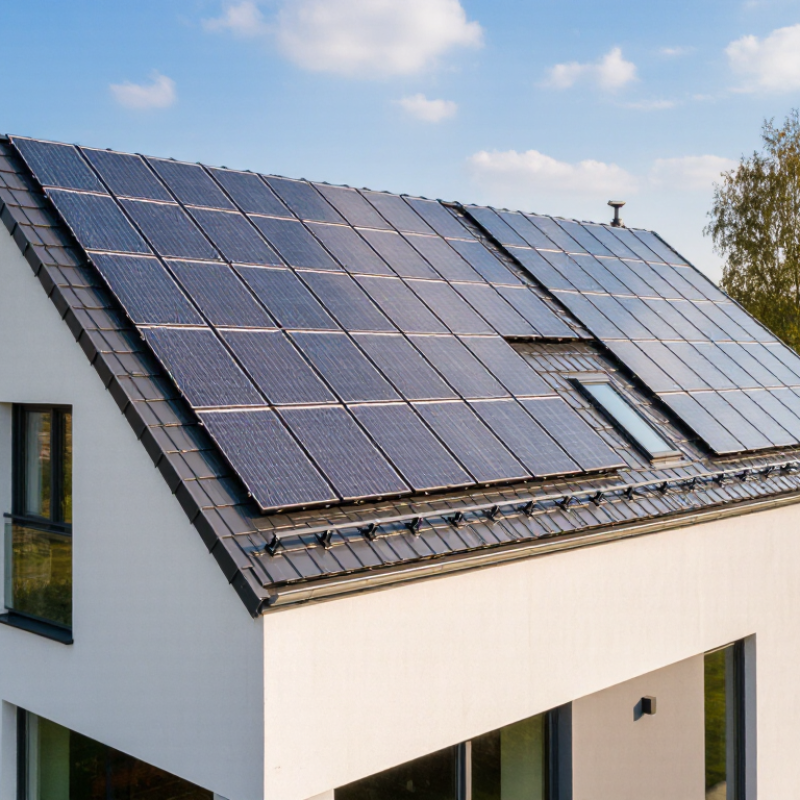
Choosing the best solar roof tiles begins with the roof itself, not the product brochure. Your climate, roof pitch, shading, and structural condition all matter. A sunny address may still produce disappointing energy if nearby trees cover the south-facing surface each afternoon. Tile appearance matters too. A roof should protect the building before it performs as an energy system.

Elon Musk, Tesla’s CEO, captured this design challenge clearly: “The key is that it’s not a thing on the roof. It is the roof.” His comment reflects why solar roof tiles deserve closer evaluation than ordinary panels. They must combine weather resistance, electrical output, thermal performance, and visual consistency. Those requirements rarely align perfectly.

Look closely.

Compare power density, warranty language, fire ratings, and replacement procedures. Ask whether damaged tiles can be repaired individually, or whether a larger section must be removed. Confirm the installer’s experience with both roofing and electrical work. A low installation price may hide complicated flashing, limited monitoring, or future maintenance costs.

Performance estimates also need skepticism. Manufacturer figures often reflect controlled testing, not a dusty roof in winter. Local shade analysis and hourly production modeling provide a more realistic picture. Even then, predictions can miss unusual weather or changing tree growth.

This guide examines those practical trade-offs. It will help you compare solar roof tiles by performance, durability, appearance, compatibility, and total project value. The “best” option is not always the most powerful. Sometimes, the better choice is the one your roof can support, your installer can service, and your budget can sustain.
How to Choose the Best Solar Roof Tiles for Your Project?

Define Your Project’s Solar Energy and Roofing Requirements

Before comparing solar roof tiles, define what your building must achieve. Measure annual electricity use from utility bills, not guesses. Note seasonal peaks, electric heating, cooling, and future loads such as an electric vehicle. A site assessment should record roof area, pitch, orientation, shading, and structural condition. Small details matter. A chimney shadow can reduce output across several tile rows.

Roofing requirements deserve equal attention. Inspect underlayment, ventilation, drainage paths, and flashing around penetrations. If the roof is near replacement, coordinate tile installation with the roofing schedule. Otherwise, later repairs may require removing working solar sections. Ask a qualified installer to verify dead loads, wind exposure, fire classification, and local permitting requirements. These checks connect design claims with measurable safety standards. Request written calculations and product test documentation, rather than relying on showroom language.

Set practical targets for annual generation, backup expectations, budget, and acceptable payback time. Solar tiles can provide roofing and energy functions, but roof geometry may limit capacity. A simple energy model should compare usable roof space with household demand. Early estimates are often wrong. Mine improved after reviewing twelve months of bills and mapping afternoon shade. Leave access for maintenance, too. Select a system with clear warranties, repair procedures, and installer credentials. Reconsider the design if production depends on perfect weather or ignores future roof work.

Compare Solar Roof Tile Types, Materials, and Power Output

How to Choose the Best Solar Roof Tiles for Your Project?

Solar roof tiles differ in shape, material, installation method, and electrical performance. Some use monocrystalline silicon cells beneath tempered glass. Others combine photovoltaic layers with polymer composites or ceramic-coated surfaces. Glass-based tiles usually offer strong weather resistance, while composite tiles can weigh less and suit older roof structures. Check the product’s fire rating, impact rating, warranty terms, and temperature range before comparing prices.

Power output needs careful measurement. A typical tile may produce 20 to 80 watts, depending on its size and cell efficiency. Larger tiles often generate more power, but they may not fit around vents, valleys, or dormers. A roof with clear southern exposure can outperform a larger roof shaded by trees. Shade changes everything. Review the rated wattage, efficiency percentage, voltage, and expected annual yield in the technical datasheet. Do not judge performance from wattage alone.

During project planning, I would map the roof in sections and record morning and afternoon shade. This practical step often reveals losses that online calculators miss. Integrated tiles provide a cleaner appearance, but repairs may require removing connected roof sections. Conventional panels can produce more power per square metre and allow easier replacement, though they look less seamless. My first comparison would focus too heavily on appearance. That was a mistake. Confirm structural capacity, ventilation, local electrical requirements, and installer experience before choosing the final material.

Evaluate Roof Compatibility, Climate, and Installation Constraints

How to Choose the Best Solar Roof Tiles for Your Project?

Roof compatibility should guide every solar tile decision. Check the roof’s age, slope, framing, drainage, and usable area before comparing power ratings. A tile system adds weight and may require reinforced rafters. Its electrical layout must also fit vents, skylights, valleys, and fire-access pathways. The U.S. National Renewable Energy Laboratory’s PVWatts documentation shows that tilt, azimuth, shading, and temperature directly affect photovoltaic production. A beautiful south-facing roof may still perform poorly under afternoon shadows.

Climate changes the specification. In hot regions, temperature-resistant materials and adequate ventilation can limit output losses. Snowy areas require careful load calculations and reliable water-shedding details. Coastal projects need corrosion-resistant fixings and sealed electrical connections. The International Energy Agency Photovoltaic Power Systems Programme reported about 447 GW of new solar capacity worldwide in 2023, increasing pressure on installers to manage diverse climates responsibly. More deployment does not remove local risk.

Installation constraints deserve equal attention. Confirm whether the existing underlayment can remain, how tiles will be replaced, and where cables can enter the building. Ask for documented wind, hail, fire, and waterproofing test results. Standards matter. So does workmanship. A 2024 field inspection might reveal an overlooked issue: the roof looked suitable, but a narrow access path doubled labor time. That mistake is avoidable, though not always obvious. Allow contingency for repairs, weather delays, and imperfect roof geometry.

Calculate Costs, Incentives, Maintenance, and Long-Term Value

Choosing solar roof tiles starts with a cost model, not an attractive roof sample.

Estimate tile area, system capacity, electrical work, roof preparation, permits, and replacement reserves. NREL’s Q1 2024 residential PV benchmark places standard systems near $2.68 per watt before incentives. Integrated tiles can cost more because roofing and generation are installed together.

My first estimate was too optimistic.
Roof complexity changed the result.

Calculate incentives separately. Check eligibility, labor rules, income limits, and local deadlines with official energy agencies. Never treat a tax credit as guaranteed cash. Compare the installed price after incentives with expected annual production. Use local electricity rates and a realistic production estimate. A simple payback calculation can mislead when rates change or financing adds interest.

Maintenance is usually modest, but access matters. Plan inspections after severe weather, especially around flashing, drainage paths, and wiring. NREL degradation research commonly reports about 0.5% annual output loss for crystalline silicon modules. Tile-specific results may differ.

Keep a reserve for inverters, monitoring equipment, and occasional roof repairs. A roof replacement avoided today may add value, but damaged tiles can complicate future repairs. The International Energy Agency Photovoltaic Power Systems Programme reports that solar capacity continues expanding worldwide, yet local resale evidence for solar tiles remains limited. Long-term value should include energy savings, roof lifespan, repair risk, and the cost of waiting.

Select a Certified Manufacturer and Verify Product Warranties

How to Choose the Best Solar Roof Tiles for Your Project?

Select a certified manufacturer before comparing colors, shapes, or output ratings. Certification shows that the factory follows recognized safety and performance standards. Ask for current certificates, test reports, and installation instructions. Do not rely on a sales sheet alone. A qualified manufacturer should explain testing conditions clearly and provide traceable product information.

I once treated a long warranty as proof of quality. That was too simplistic. Check the product warranty, power warranty, and workmanship coverage separately. Confirm the coverage period, degradation limit, repair process, and exclusions. Some warranties exclude damage from poor installation, severe weather, or unauthorized repairs. Also ask whether the warranty remains valid after ownership changes. Keep invoices, photographs, serial numbers, and installer records in a safe folder. These details can make a future claim less stressful.

Tips: Request warranty documents before signing. Verify the manufacturer’s certification with the issuing body. Ask an independent roofing professional to review the terms. Compare response times, not only warranty length. A reliable support team should answer practical questions about leaks, cracked tiles, and replacement procedures. Read the small print carefully. It is easy to miss. Finally, check whether local installers have real experience with the tile system. Even a certified product may perform poorly when installation training is weak. I would also leave room for doubt, because every project has different roof angles, weather exposure, and maintenance needs.