How to Choose the Best Solar Panels for Houses in 2026?
As we approach 2026, the demand for solar panels for houses continues to rise. Homeowners are increasingly looking for sustainable energy solutions. Choosing the right solar panels can be overwhelming. With many brands and technologies available, it can lead to confusion.
Solar panels for houses vary widely in efficiency and cost. Understanding these differences is crucial for making an informed decision. Factors like energy needs, roof space, and local regulations play significant roles. Unfortunately, many buyers overlook these aspects, leading to suboptimal choices.
Investing in solar energy is a commitment. The right panels can reduce utility bills and carbon footprints. However, not all solar panels are created equal. It's important to seek advice and gather information from reliable sources. This effort can help ensure you choose a system that truly benefits your household. Being informed is key to navigating this evolving market.
Understanding Solar Panel Types: Monocrystalline vs. Polycrystalline
Choosing the right solar panels for your home in 2026 is crucial. Two popular options are monocrystalline and polycrystalline panels. Monocrystalline panels are made from single-crystal silicon. They typically offer higher efficiency and longevity. These panels perform better in low-light conditions and use less space. However, their manufacturing process can be more energy-intensive, raising questions about sustainability.
Polycrystalline panels are created from multiple silicon crystals. They are generally less expensive but also less efficient. These panels might require more space to generate the same amount of energy as monocrystalline ones. It's essential to evaluate your roof size and energy needs. Many homeowners favor polycrystalline panels due to lower upfront costs, yet they may have shorter lifespans.
Tips for homeowners include assessing available sunlight and roof conditions before selecting panels. Understanding installation costs is also vital. Analyze long-term energy savings against initial investments. Think about the environmental impact of your decision too. Always research the efficiency ratings and warranties provided. Some factors can lead to higher maintenance costs in the future, so be mindful of your options. The evolving technology may offer different solutions by 2026. Stay informed and make choices that reflect your values and needs.
How to Choose the Best Solar Panels for Houses in 2026?
| Type of Solar Panel |
Efficiency Rate (%) |
Cost per Watt ($) |
Lifespan (Years) |
Temperature Coefficient (%/°C) |
Best Use Case |
| Monocrystalline |
15-22 |
$0.45 - $0.75 |
25-30 |
0.3-0.5 |
Residential roof installations with limited space |
| Polycrystalline |
14-20 |
$0.40 - $0.70 |
20-25 |
0.4-0.5 |
Larger installations with ample space |
| Bifacial |
15-25 |
$0.50 - $0.85 |
25-30 |
0.3-0.6 |
Open areas with reflective surfaces |
| Thin-Film |
10-13 |
$0.30 - $0.60 |
10-20 |
0.4-0.5 |
Flexible installations on various surfaces |
Evaluating Solar Panel Efficiency Ratings for Optimal Performance
When choosing solar panels for your home in 2026, efficiency ratings are crucial. Panels convert sunlight into electricity, and higher efficiency means more power generation. According to the National Renewable Energy Laboratory, the average efficiency of solar panels has increased from 15% in 2010 to over 22% today. This upward trend indicates the potential for even more efficient models in the near future.
It's essential to evaluate the performance data during different conditions. Panels rated for high efficiency may not perform best in all environments. For example, panels with a superior temperature coefficient will ensure better output in hot climates. Some models exhibit a drastic performance drop in high temperatures, something that homeowners often overlook.
Tips for selection include examining the warranty period. Leading manufacturers often offer warranties of 25 years or more, reflecting confidence in their technology. Additionally, consider the panel's degradation rate. A lower degradation rate leads to better long-term performance. Investing in panels with a proven history of resilience can save you costly replacements in the future. Finally, consulting with experts who can provide tailored advice is invaluable. Your unique location and energy needs should guide your decision-making process.
Assessing Cost vs. Warranty: Long-term Investment in Solar Technology
When considering solar panels for your home in 2026, evaluating cost versus warranty is critical. Many consumers focus solely on upfront costs. However, a lower price may come with fewer guarantees. A robust warranty can save you money in the long run. It’s vital to understand what the warranty covers and its duration. Typically, higher-quality panels offer longer warranties. This suggests they are built to last.
Consider the lifespan of solar technology. Panels may last 25 years or more, but performance can degrade over time. A warranty that covers performance degradation is essential. It ensures your investment remains viable. Some warranties only cover certain components, which may leave you vulnerable to unexpected expenses. Assessing these factors is crucial for making an informed decision.
Lastly, remember that solar technology is evolving. What works today may not be the best choice in a few years. Research new developments and consider potential changes in the market. Weigh performance against the cost carefully. Reassessing your choices periodically can lead to better investments. Exploring multiple options helps you avoid buyer’s remorse. Commercial entities aren't always transparent, so trust your research and instinct.
Analyzing Environmental Impact: Choosing Eco-friendly Solar Solutions
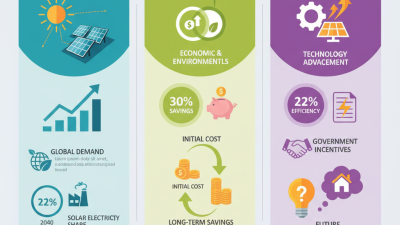
When selecting solar panels, the environmental impact is vital. According to the International Energy Agency, solar energy could account for 30% of global electricity by 2026. This growth highlights the importance of choosing eco-friendly solutions. Manufacturers are now focusing more on sustainable materials, such as recycled aluminum and glass. This reduces waste and conserves resources.
It’s essential to evaluate the lifecycle of solar panels. A 2022 report from the U.S. Department of Energy indicated that the carbon footprint of solar panels has decreased by 25% in the last decade. However, some panels still produce significant emissions during production. Transparency from manufacturers about their processes is critical. Not all solar panels are created equal; understanding their origins matters.
Considering end-of-life management is also crucial. The Solar Energy Industries Association reported that by 2030, more than 10 million tons of waste could come from solar panels. Opting for panels with recycling programs can mitigate this issue. Investing in responsible solar technology will ultimately contribute to a healthier planet. The choices made today will resonate for years to come, impacting ecological balance and sustainability.
Comparing Leading Solar Panel Brands: Market Trends and Innovations in 2026
The solar panel market in 2026 is set to see significant innovations and trends. With advancements in technology, solar panels are becoming more efficient and cost-effective. Homeowners now seek panels that maximize energy output while minimizing installation costs. Efficiency ratings have become crucial. Monitoring these metrics helps consumers make informed decisions.
Emerging brands are focusing on sustainable materials. These materials not only enhance performance but also reduce environmental impact. New solar technologies, such as bifacial panels, are gaining traction. They capture sunlight from both sides, thereby increasing overall energy production. Homeowners should consider these options for better returns.
Yet, navigating these advancements isn't easy. The sheer volume of choices can overwhelm consumers. It's essential to critically assess specifications and warranties. A well-researched decision is vital. Many brands still lack transparent information regarding performance over time. Reflecting on these factors can lead to a more satisfying choice. Ultimately, understanding market dynamics can greatly influence the final decision-making process.
Solar Panel Efficiency and Cost Comparison in 2026