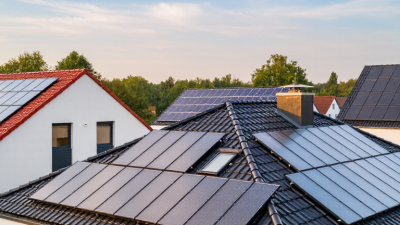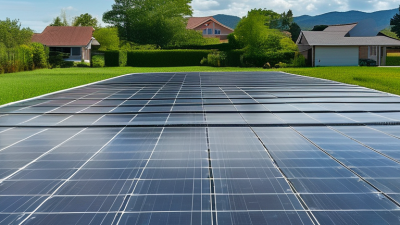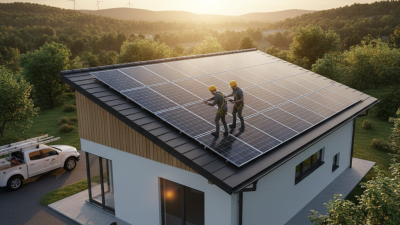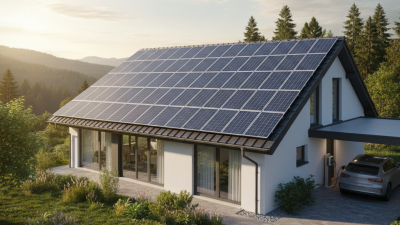
Planning a solar roof in 2026 requires more than checking a single advertised price. The real solar roof cost depends on roof size, design complexity, local labor rates, energy needs, and battery storage. A compact roof with clear access may cost far less than a steep, older roof requiring structural repairs. Location matters too.
This guide explains the main expenses homeowners should expect, including solar roofing materials, installation, permits, electrical upgrades, inspections, and maintenance. It also compares integrated solar shingles with traditional panels, because the cheapest option is not always the best long-term value. Some systems look elegant but produce less electricity. Others generate more power but may change the appearance of your home.
Prices are estimates, not promises. A professional site assessment remains essential. Ask installers for itemized proposals, product warranties, production estimates, and references from nearby projects. Check whether the quote includes roof removal, disposal, financing fees, and battery replacement assumptions. Small exclusions can become expensive surprises.
That deserves attention.
Reliable decisions require verified information. Manufacturer specifications, local utility rules, and current government incentives can change during 2026. Independent energy consultants and licensed contractors may provide useful perspectives, but their advice should still be compared carefully. I have also found that online calculators can create false confidence when they ignore shading, weather, or household energy habits. This article offers a practical starting point, while acknowledging one limitation: your final solar roof cost can only be confirmed after a detailed property evaluation.
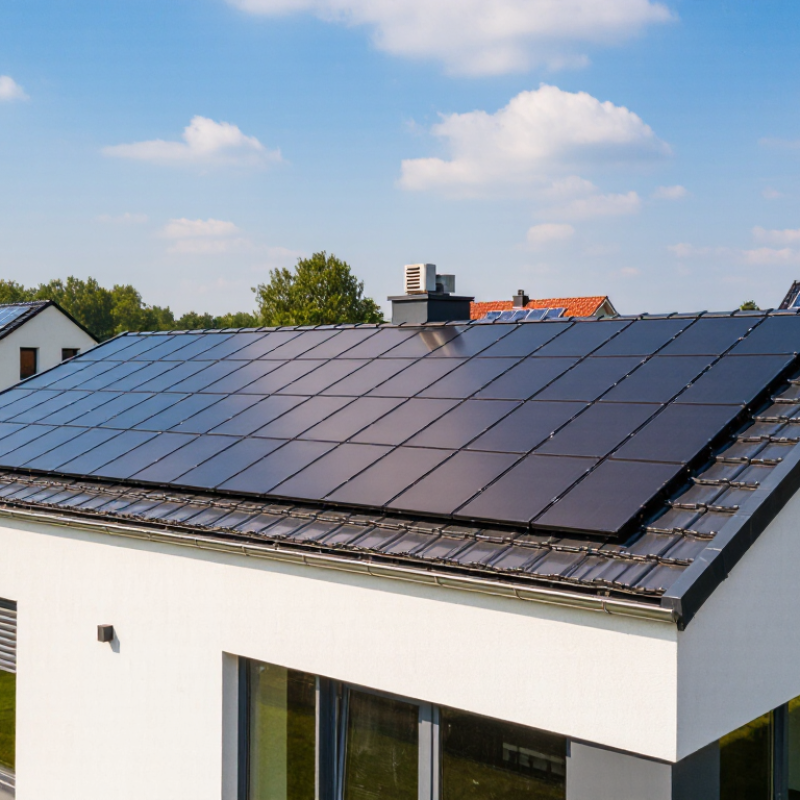
A solar roof combines roofing materials with photovoltaic technology. Some systems use visible panels, while others integrate solar cells into roof tiles or shingles. Sunlight reaches the photovoltaic cells, which release electrons and create direct-current electricity. An inverter then changes it into alternating current for household appliances. Extra power may charge a battery or flow to the electricity grid, depending on local rules and equipment.
The International Energy Agency Photovoltaic Power Systems Programme reported more than 1.6 terawatts of global solar capacity by the end of 2023. This growth shows solar roofing is no longer experimental. Still, performance depends on roof angle, shading, local climate, and wiring quality. NREL research indicates that modern PV modules commonly operate for 25 years or more, but output gradually declines. Roof repairs can also become complicated. The neat diagrams often hide that problem.
Tips: Request a shade analysis and a roof inspection before comparing costs. Ask for estimated annual production, not only system size. Review inverter and battery replacement assumptions. A professional assessment should explain winter output, maintenance access, and expected degradation. Use independent tools such as NREL’s PVWatts calculator to challenge optimistic estimates. My own caution is simple: solar roofs are promising, but every roof behaves differently.
In 2026, solar roof pricing depends less on panel count than on the roof beneath it. EnergySage’s 2024 Solar Marketplace Intel Report recorded a median residential solar quote of about $2.75 per watt before incentives. A 6-kilowatt system would therefore approach $16,500 before additional work. Solar roof products can cost more because they combine roofing materials, electrical equipment, and installation. Estimates are not promises.
Roof size and design matter immediately. A simple south-facing roof usually needs fewer labor hours. Dormers, valleys, skylights, steep pitches, and multiple roof surfaces increase installation time. Shading from trees can also reduce energy production, requiring a larger system or careful design. The National Renewable Energy Laboratory identifies system size, local labor, permitting, equipment, and site conditions as major cost drivers. Roof age matters too. Replacing damaged shingles after installation is expensive and disruptive.
Battery storage adds another major variable. The U.S. Department of Energy reports that storage costs depend on usable capacity, power rating, installation, and electrical upgrades. A main-panel replacement may add thousands of dollars. Local incentives can reduce the final bill, but eligibility changes by location and tax status. Utility rules also affect savings through export rates and connection fees. One overlooked issue is future electricity use: adding an electric vehicle or heat pump may justify a larger system. A careful installer should show production estimates, roof measurements, shade assumptions, and every excluded cost. Mistakes happen when quotes look precise but hide these details.
Solar roof cost depends heavily on system size, household electricity use, roof orientation, and local labor. NREL’s 2024 U.S. Solar Photovoltaic System Cost Benchmark models residential installation costs at about $3.15 per watt before incentives. That suggests a 4-kilowatt system may cost approximately $12,600, while a 6-kilowatt system may reach $18,900. An 8-kilowatt system could approach $25,200, excluding batteries and major roof repairs. These are planning figures, not guaranteed quotes.
A 4-kilowatt system may suit a small, efficient home using about 5,000 to 6,000 kilowatt-hours yearly. A typical larger home may need 6 to 8 kilowatts. Homes with electric heating, cooling, or vehicle charging can require 10 kilowatts or more. The U.S. Energy Information Administration reports that the average American home used roughly 10,500 kilowatt-hours of electricity in 2023, but regional needs differ sharply. Shade can also reduce production. A south-facing roof with clear midday sunlight is valuable. A complicated roof may add several thousand dollars through extra labor, permits, and electrical upgrades. Roof-integrated solar materials usually cost more than standard rooftop panels, though the final premium varies. Battery storage adds another major expense. I would not trust a simple cost-per-watt estimate alone; it can hide weak roof space, low winter production, or replacement work. Allowance for uncertainty is sensible.
| System Size | Approx. Panels (400 W Each) |
Recommended Roof Area | Estimated Annual Production | Estimated Installed Cost | Typical Home Electricity Use | Best Fit |
|---|---|---|---|---|---|---|
| 4 kW | 10 | 200–300 sq. ft. | About 4,800 kWh | $10,000–$14,000 | Small home or low electricity use | Apartments with suitable roofs, small homes, or partial offset |
| 6 kW | 15 | 300–450 sq. ft. | About 7,200 kWh | $15,000–$21,000 | Average home with moderate use | Two- to three-bedroom homes |
| 8 kW | 20 | 400–600 sq. ft. | About 9,600 kWh | $20,000–$28,000 | Average to above-average use | Family homes with electric appliances |
| 10 kW | 25 | 500–750 sq. ft. | About 12,000 kWh | $25,000–$35,000 | High household consumption | Large homes, heat pumps, or electric vehicles |
| 12 kW | 30 | 600–900 sq. ft. | About 14,400 kWh | $30,000–$42,000 | Very high electricity use | Large homes with multiple electric loads |
| 15 kW | 38 | 750–1,125 sq. ft. | About 18,000 kWh | $37,500–$52,500 | Exceptional household consumption | Large properties, high energy demand, or future expansion |
In 2026, incentives may reduce a solar roof’s price more than small equipment discounts. The U.S. Department of Energy advises checking federal, state, local, and utility programs before signing a contract. Eligibility can depend on ownership, installation date, and project location. Rules change. Verify them with official agencies.
NREL’s U.S. Solar Photovoltaic System and Energy Storage Cost Benchmarks reported residential solar costs near $2.68 per watt in its 2023 benchmark. An 8-kilowatt system could therefore approach $21,440 before roofing work, storage, financing, or permits. A solar roof may cost more because it combines roofing and generation. I would not assume every roof expense qualifies for a tax credit. The IRS requires careful cost allocation.
Financing can reduce the upfront bill, but it does not always reduce the final price. A secured solar loan may offer lower payments, while a home-equity loan can introduce broader property risk. Third-party ownership may require little upfront cash, but contracts can include escalators, transfer rules, and long terms. Read every page.
The Solar Energy Industries Association and Wood Mackenzie reported continued residential solar growth, yet higher interest rates have pressured household adoption. Compare the annual payment with expected utility savings, not the advertised monthly figure. Ask for cash, loan, and lease estimates. Include roof repairs, battery replacement, insurance, and maintenance. Some savings may disappoint. Weather, shading, and future electricity rates remain uncertain.
Solar roof value starts with a fair cost comparison, not the lowest advertised price.
Lawrence Berkeley National Laboratory’s 2024 Tracking the Sun report placed the median U.S. residential solar price near $3.10 per watt in 2023. An integrated solar roof may cost more because it combines roofing work with electricity generation. However, avoided roof replacement can change the calculation.
Measure the roof area first.
Request separate prices for roofing, solar capacity, storage, permits, and financing. Then estimate annual production using local sunlight data, not a national average. The National Renewable Energy Laboratory’s PVWatts tool can provide a location-based estimate. Compare that output with your utility’s electricity rate. The U.S. Energy Information Administration reported an average residential rate of about 16.5 cents per kilowatt-hour in 2024.
Look beyond year-one savings.
Include inverter replacement, battery degradation, insurance, maintenance, and possible roof repairs. A practical comparison uses lifetime net cost divided by lifetime kilowatt-hours. It also tests conservative assumptions, such as lower production and modest electricity-price growth. The result may feel less exciting. That is useful.
A solar roof has stronger value when the existing roof needs replacement soon.
It may perform poorly when the roof is new, shaded, or unusually complex. Financing can also erase savings through interest charges. I would request at least three detailed proposals and verify every production guarantee. Estimates are not proof. Forecasts can be wrong.