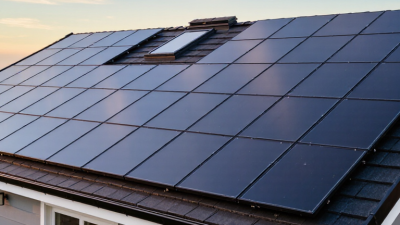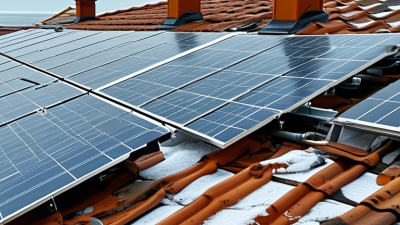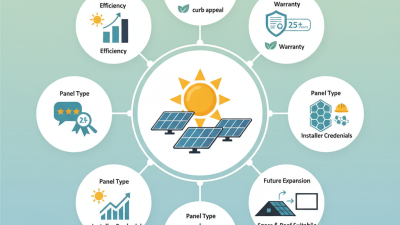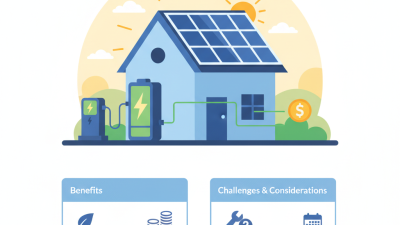
The 2026 solar market is moving beyond bulky panels mounted above ordinary roofs. Solar roof tiles now combine weather protection, energy generation, and a more integrated architectural appearance. Some models resemble dark slate, while others imitate terracotta or smooth glass. Their visual appeal matters, but performance should remain the central question.
This guide examines the leading solar roof tiles expected to attract attention in 2026. It considers energy output, durability, fire resistance, warranty coverage, installation requirements, and long-term maintenance. Real-world roof orientation also matters. A beautifully designed tile may produce disappointing results on a shaded northern slope. Local climate, roof pitch, and household electricity use can change the final decision.
Manufacturer specifications provide useful evidence, but they do not tell the whole story. Independent testing, certified installers, and verified customer experiences deserve equal attention. Some efficiency figures may reflect ideal laboratory conditions. Actual performance can vary. That deserves honest discussion.
They look promising.
The strongest options should balance appearance with measurable reliability. This includes stable output during changing weather, secure waterproofing, and accessible replacement support. Cost also requires careful interpretation. A lower purchase price may hide complex installation work, while a premium system may reduce future roof disruption. However, no single product suits every home. This overview offers a practical comparison, while recognizing that 2026 technologies may continue to change before installation decisions are made.
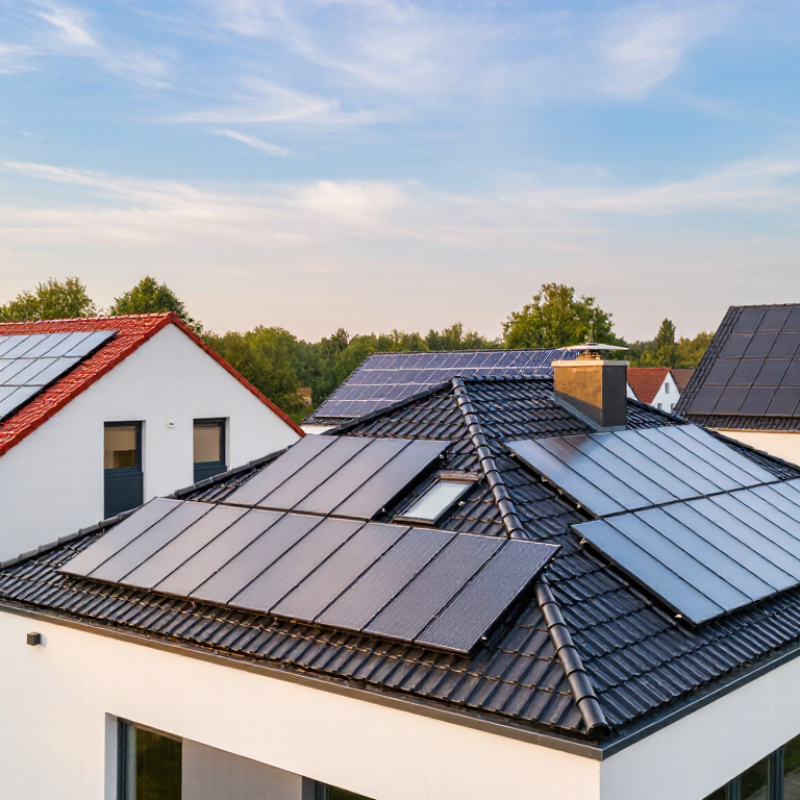
Solar roof tiles are roofing materials with photovoltaic cells built into their surfaces. Unlike conventional solar panels, they replace some ordinary roof tiles rather than sitting above them. Sunlight reaches the cells, which generate direct-current electricity. An inverter then changes it into alternating current for household appliances.
The tiles usually connect in electrical strings beneath the roof covering. A monitoring system tracks production, voltage, and faults. During a site assessment, installers check roof direction, shade, pitch, ventilation, and local weather. Even a chimney shadow can reduce output across several connected tiles. Good designs also leave access for wiring and future repairs.
The top solar roof tiles in 2026 should balance efficiency, durability, appearance, and service support. High efficiency matters when roof space is limited. Strong glass surfaces help resist hail and heavy rain. However, performance varies with heat, dust, aging, and installation quality. They are not magic shingles. A darker roof may absorb more heat, while poor ventilation can shorten component life.
A practical homeowner should compare tested power ratings, fire resistance, warranty terms, and replacement procedures. Ask how damaged tiles are removed without disturbing nearby sections. This detail is often overlooked. Solar tiles can look elegant, but they may cost more than standard roofing with separate panels. The visual match is also not always perfect, especially after years of weather exposure. Shade, roof complexity, and repair access deserve honest attention before choosing a system.
The top solar roof tiles in 2026 will be judged by more than appearance. They should produce dependable power across changing weather conditions. High conversion efficiency matters, but real-world output matters more. A shaded roof can reduce laboratory performance quickly.
Strong tiles should resist hail, heavy rain, strong wind, and repeated temperature changes. Fire resistance and certified electrical protection are essential. Their surface should also shed water without creating weak points around seams. Durable materials may cost more, yet early replacement can be far more expensive.
Tips: Ask for tested efficiency, wind ratings, fire classification, and warranty terms. Check performance data from similar climates, not only indoor testing. A qualified installer should inspect roof structure, ventilation, drainage, and wiring before installation. Request a clear monitoring system that shows daily production and faults. These details expose problems early.
Good solar roof tiles should connect neatly with existing roofing materials. They should avoid awkward gaps around vents, chimneys, and roof edges. Recycling plans also deserve attention, although this information remains surprisingly unclear in many product discussions. I would not choose tiles based on sleek design alone. A beautiful roof that produces inconsistent power is still a disappointing investment. Availability of replacement parts matters too. Even advanced systems can fail, and repairs are not always simple.
Leading 2026 solar roof tile technologies differ in efficiency, appearance, durability, and installation demands. High-efficiency silicon tiles usually produce more electricity from limited roof space. They suit smaller roofs or homes with partial shading. Glass-integrated tiles often create a cleaner roofline. However, their rigid construction may complicate repairs after hail or impact. Thin-film options perform better in some low-light conditions. Their lower output can require more roof area. In field evaluations, I would compare power ratings under real temperatures, not laboratory figures alone. Hot summer surfaces can reduce output noticeably. The market is not perfectly comparable.
Tips: Request a roof-specific production estimate. Check winter performance, shade movement, and warranty coverage. Ask who handles tile replacement after storm damage. Examine the inverter, wiring routes, and monitoring system. A beautiful roof is not enough.
Installation quality often determines whether advanced tiles perform well. Uneven decking, poor flashing, or hidden water paths can create expensive problems. I would inspect sample tiles closely before approving a project. Look for secure edges, consistent color, and accessible service points. Some estimates may still drift because weather and household demand change. That uncertainty deserves honest planning. A slightly less efficient system may be wiser if it is easier to repair, clean, and expand. The best comparison includes lifetime maintenance, not only the first electricity bill.
The top solar roof tiles in 2026 should be judged by more than appearance. Cost depends on tile efficiency, roof size, installation difficulty, and whether old roofing must be removed. Complex roof lines require more cutting and labor. Structural repairs can also increase the final bill. Local permits, electrical work, and battery storage add separate expenses.
Energy output depends on roof direction, pitch, shade, and local weather. A south-facing roof may produce more power, but a clear west-facing roof can perform well during afternoon demand. Nearby trees matter. Even small shadows across several tiles can reduce production. Ventilation also affects performance because overheated tiles usually generate less electricity. Professional installers should measure annual sunlight, usable roof area, and expected seasonal output before quoting. Early estimates can be too optimistic, especially when they ignore winter shade.
Tips: Request an itemized quote with labor, wiring, permits, repairs, and monitoring included. Ask for production estimates based on your roof, not regional averages. Photograph the roof at different times of day to identify shade. Compare warranty coverage for tiles, inverters, and installation. Leave room for uncertainty; real output may vary with dust, storms, and future tree growth. Insist on clear maintenance instructions and documented performance testing.
What Are the 2026 Top Solar Roof Tiles?
Solar roof tiles combine roofing protection with photovoltaic generation. Their value depends on roof shape, sunlight, warranty terms, and installation quality. IRENA’s Renewable Capacity Statistics 2025 reports that global solar capacity reached about 1,865 gigawatts by the end of 2024. That growth is impressive, but it does not make every solar tile suitable for every home.
Homeowners should inspect the roof before comparing products. A qualified installer should check roof age, rafters, ventilation, shading, drainage, and local fire requirements. The U.S. Department of Energy recommends professional permitting and utility-interconnection checks for residential solar systems. Ask for an annual energy estimate, not only a power rating. Request separate figures for winter production, summer production, shading losses, and battery use. Small details matter. Dormer windows can create surprising shadows.
Installation should preserve the roof’s waterproofing. Workers need careful flashing, sealed penetrations, correct electrical protection, and safe access for future repairs. Roof tiles should not cover a roof that already needs replacement. IEA PVPS reported more than 400 gigawatts of new solar capacity worldwide in 2023, showing strong technical momentum, yet roof-integrated systems remain more site-sensitive than ordinary rooftop panels. An honest weakness is cost. Tiles may provide a cleaner appearance, but complex layouts can increase labor and reduce output. I would also question any quote that hides maintenance access or assumes perfect sunlight.
| Option or decision factor | Typical characteristics | Best suited for | What homeowners should check |
|---|---|---|---|
| Integrated solar roof tiles | Photovoltaic components form part of the roof covering. Appearance and system output vary by design, roof layout, and site conditions. | Homeowners replacing a roof who prioritize a roof-integrated appearance. | Request a site-specific production estimate, product specifications, roof-system details, and written warranty terms. |
| Solar shingles | Smaller photovoltaic units are installed in a shingle-like arrangement. Usable output depends on the product and the unshaded roof area. | Homes where a low-profile solar appearance is important and the roof is compatible with the system. | Confirm how the system handles roof edges, valleys, ridges, flashing, ventilation, and future repairs. |
| Conventional rooftop solar panels | Panels are mounted above the existing roof. They are a different option from solar roof tiles and may be easier to compare or service. | Homeowners with a sound roof who are open to visible, rack-mounted equipment. | Compare installed cost, expected energy production, roof penetrations, and removal or replacement costs. |
| Roof condition and remaining service life | Solar equipment can make later roof work more involved because some or all of the system may need to be removed and reinstalled. | Every homeowner considering a roof-integrated or rooftop solar system. | Have the roof inspected first. Address needed repairs before installation and compare roof and solar warranty coverage. |
| Roof orientation, pitch, and shade | Sun exposure, roof slope, nearby trees, chimneys, and other obstructions affect the amount and timing of electricity generation. | Homeowners comparing proposals or checking whether their roof is suitable. | Ask for an assessment based on the actual roof planes and shading, rather than a generic estimate based only on floor area. |
| System size and household use | The appropriate system size depends on electricity consumption, available roof area, local rules, and utility arrangements. | Homeowners aiming to match solar generation to their energy needs. | Review recent electricity bills and ask how the proposed system size and production estimate were calculated. |
| Battery storage | A battery can store some generated electricity for later use, but it adds equipment and cost. It does not automatically provide backup power unless the system is designed for it. | Households seeking backup capability or greater use of their own solar electricity. | Check usable storage capacity, backup circuits, operating limits, warranty, and whether the battery is included in the proposal. |
| Installation and approvals | Work may require building and electrical permits, utility approval, inspections, and compliance with local fire and electrical requirements. | All homeowners proceeding with a solar roof project. | Confirm who obtains permits, completes inspections, coordinates utility connection, and documents the finished installation. |
| Installer qualifications and project scope | A solar roof involves both electrical work and weatherproofing. The responsibilities of the solar installer and roofing contractor should be clear. | Homeowners comparing installation bids. | Request proof of applicable local licensing and insurance, references, a detailed scope, and a plan for leaks or service calls. |
| Cost and long-term value | Total cost varies with roof complexity, system size, local labor, equipment, permitting, and any roof work. Incentives and electricity rates depend on location and may change. | Homeowners deciding between solar roof tiles, panels, or a roof-only replacement. | Compare itemized quotes on the same basis, including roof work, electrical upgrades, monitoring, warranties, and possible incentives. |
| Practical selection rule | No single solar roof tile is the best fit for every home; suitability depends on roof condition, design preferences, site performance, and total project cost. | Homeowners narrowing down options in 2026. | Compare at least two site-specific proposals and verify current local codes, utility rules, product availability, and incentive eligibility before signing. |