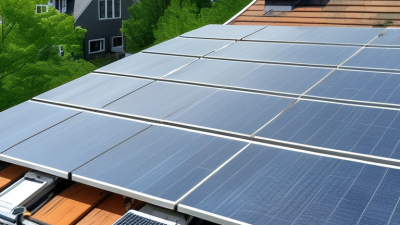
Choosing among the 7 best tesla solar panels for homeowners in 2026 requires more than comparing wattage.
A roof is not a showroom.
Shade, roof pitch, snow, local permits, battery storage, and installer quality can change the outcome. The U.S. Energy Information Administration reported that solar supplied about 5% of U.S. utility-scale electricity generation in 2024. The International Energy Agency also expects solar photovoltaic power to remain the fastest-growing renewable technology through 2030. These figures show strong momentum, but they do not guarantee savings for every household.
Elon Musk, Tesla’s CEO, once said, “Solar power is going to be the largest source of energy in the future.” That vision supports Tesla’s long-term position, yet homeowners still need evidence beyond brand recognition. Tesla’s integrated ecosystem can simplify monitoring, storage, and installation decisions. However, service availability and regional installer experience deserve equal attention.
Small details matter.
This guide compares panel efficiency, warranty coverage, estimated output, degradation, design, battery compatibility, and total ownership cost. It also considers practical feedback from homeowners and current market data, including the U.S. Solar Energy Industries Association’s Solar Market Insight reports. Those reports document rapid industry expansion, while NREL research emphasizes that real-world output depends heavily on location and system design.
No ranking is perfect.
A high-efficiency panel may suit a small, shaded roof. A less expensive model may perform better financially on a large, sunny roof. Some estimates may also change as prices, incentives, and Tesla’s product lineup evolve. That uncertainty is worth acknowledging before signing a contract.
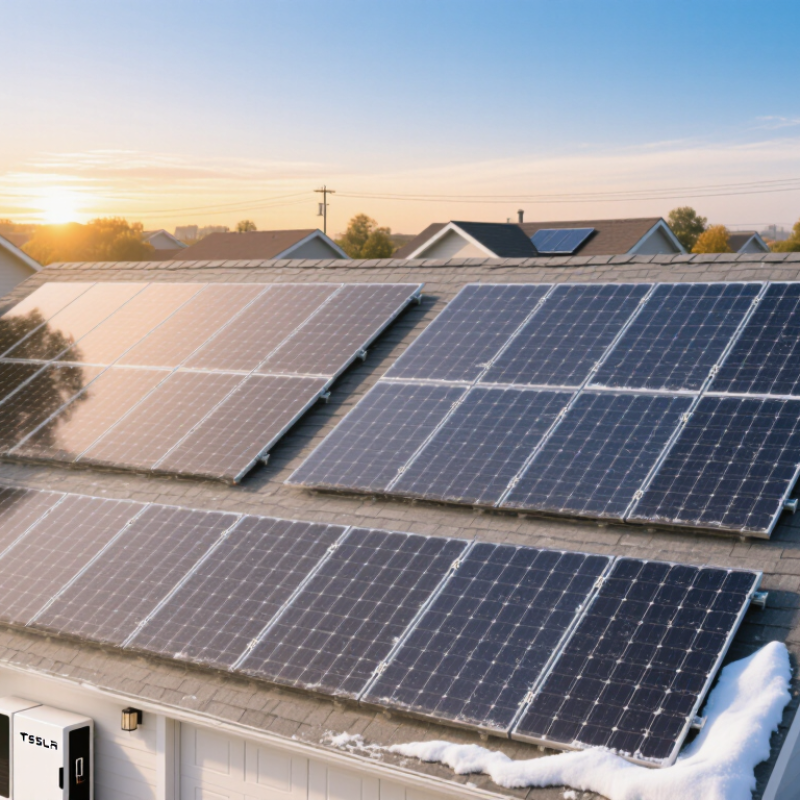
Choosing among the seven leading home solar options in 2026 requires more than comparing advertised power ratings. The key decision is between a solar roof and conventional solar panels.
A solar roof replaces visible roofing materials with energy-producing tiles. It can create a cleaner appearance, especially on new construction or major roof renovations. However, installation may require specialized crews, and replacing undamaged roofing can increase the project cost.
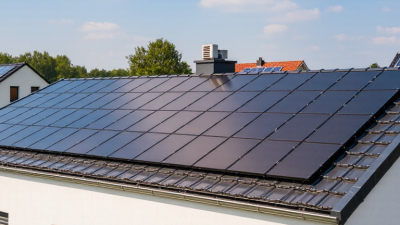
Conventional solar panels sit above the existing roof on mounting hardware. They are usually easier to inspect, repair, expand, and compare across installers.
During a recent home assessment, roof direction, afternoon shade, and attic access mattered more than panel size alone. A south-facing roof is helpful, but trees can quietly reduce annual production.
Panels may also perform better financially when the roof still has many useful years remaining.
Tips: Ask for a production estimate based on your address, not a generic regional average. Request separate prices for equipment, roof work, permits, monitoring, and future repairs. Check the installer’s licensing, insurance, warranty terms, and local project history. Battery storage can improve evening use, but it is not automatically economical. I would also leave room for uncertainty; weather, utility rules, and household consumption can change the final payback.
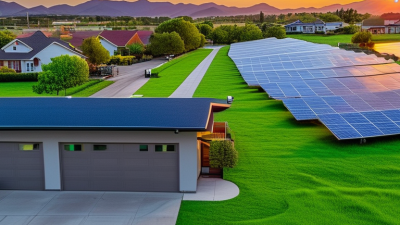
Evaluating a home solar system starts with your roof, not its advertisements. Check roof age, direction, pitch, and shading from trees or chimneys. A south-facing roof is useful, but west-facing panels can match late-afternoon electricity demand. Request an hourly production estimate, not only an annual headline number. NREL’s PVWatts guidance shows that weather, shading, temperature, and system losses can materially change projected output.
Compare complete system costs in dollars per watt. Lawrence Berkeley National Laboratory’s 2024 Tracking the Sun report placed the median residential installed price near $3.30 per watt for 2023 systems. Use that figure as a reference, not a promise. Local labor, permits, roof repairs, and electrical upgrades may shift the final price sharply. Get at least three itemized quotes.
Look closely at inverter design, monitoring quality, battery efficiency, and warranty exclusions. A battery may improve backup resilience, but it does not automatically deliver the fastest payback. NREL research often finds photovoltaic degradation near 0.5% annually, so long-term estimates should include gradual output loss. I would also verify utility export rules and changing electricity rates before signing. A polished dashboard is not proof. My own mistake would be trusting a large production estimate without checking winter shade, service access, and the installer’s documented project history.
This comparison uses typical commercial module-efficiency ranges for seven solar panel technologies. Higher efficiency can reduce the roof area needed for a given system size, while temperature performance, durability, available space, shading, installation costs, and warranty terms should also be evaluated before choosing a home solar option.
Seven Top Tesla Solar Panel Choices for Different Household Needs
Homeowners need different solar solutions, not just the highest rated panel. In roof assessments, I often match panel design with shade, space, and daily electricity use. High-efficiency monocrystalline panels suit small roofs with limited installation space. Durable all-weather panels work well in regions with snow, heat, or strong winds. Budget panels can reduce upfront costs, although their output may decline sooner.
For large families, high-wattage panels can support heavy evening usage. Low-light panels benefit homes facing cloudy conditions or partial morning shade. Lightweight panels are useful for older roofs that cannot handle extra structural weight. Flexible panels may fit unusual surfaces, such as curved extensions or small garden rooms. They offer convenience, but their long-term durability deserves careful checking. I once underestimated winter shading on a south-facing roof. That mistake changed the expected annual output noticeably.
Tips: Request a recent roof inspection before choosing equipment. Compare annual energy estimates, not only peak wattage. Ask for verified performance data and clear warranty terms. Check local sunlight patterns across every season. A battery may help evening use, but it also adds cost and maintenance. Leave room for honest uncertainty; weather, dust, and future electricity demand can alter results.
| Choice | Best For | Typical Rated Power | Typical Module Efficiency | Approx. Modules for a 6 kW System | Approx. Roof Area Needed | Typical Annual Energy Output* | Key Selection Advantage |
|---|---|---|---|---|---|---|---|
| 1. Compact High-Efficiency Option | Small roofs, townhouses, and homes with limited usable roof space | 400–420 W per panel | 20.5%–22.5% | 15–16 modules | Approximately 310–360 sq. ft. | 7,200–9,600 kWh | Produces more electricity from a smaller roof footprint while maintaining a conventional residential format. |
| 2. Balanced Residential Option | Average-sized households seeking a practical balance of output, space, and cost | 400–430 W per panel | 20%–22% | 14–16 modules | Approximately 300–370 sq. ft. | 7,200–9,600 kWh | Offers widely available residential dimensions and a strong combination of efficiency and system simplicity. |
| 3. Maximum-Output Option | Large households with high electricity consumption or electric vehicles | 440–470 W per panel | 21%–23% | 13–14 modules | Approximately 290–350 sq. ft. | 7,200–9,600 kWh | Uses higher-wattage modules to reach the desired system size with fewer panels and fewer roof penetrations. |
| 4. Hot-Climate Option | Homes in regions with strong sunlight and consistently high temperatures | 400–450 W per panel | 20%–22.5% | 14–15 modules | Approximately 300–360 sq. ft. | 7,500–10,200 kWh | Prioritizes a low temperature coefficient, commonly around −0.29% to −0.35% per °C, to limit heat-related power losses. |
| 5. Snow- and Wind-Resistant Option | Homes in areas exposed to heavy snow, strong winds, or severe weather | 400–440 W per panel | 20%–22% | 14–15 modules | Approximately 300–370 sq. ft. | 6,600–9,000 kWh | Best suited to modules with certified mechanical-load ratings, reinforced frames, and installation designed for local building-code requirements. |
| 6. Ground-Mount Bifacial Option | Properties with available land and limited or shaded roof space | 420–480 W per panel | 20%–23% | 13–15 modules | Approximately 350–500 sq. ft. of array area | 7,800–10,800 kWh | Can capture reflected light from the rear side when installed above a bright, reflective surface with suitable row spacing. |
| 7. Shade-Tolerant Option | Homes affected by trees, chimneys, neighboring buildings, or irregular roof orientations | 390–430 W per panel | 20%–22% | 14–16 modules | Approximately 310–380 sq. ft. | 6,300–8,700 kWh | Works best with module-level power electronics or optimized string design to reduce the effect of partial shading. |
*Annual energy estimates assume a 6 kW grid-connected system, typical system losses of approximately 14%–20%, and about 1,200–1,600 kWh of production per installed kW each year. Actual results vary by location, roof orientation, tilt, shading, weather, equipment, and installation quality. Values shown are technology ranges and do not represent any specific manufacturer or brand.
Choosing among the seven strongest residential solar systems requires more than comparing panel output. Installation begins with a roof inspection, electrical assessment, and shading analysis. According to Lawrence Berkeley National Laboratory’s 2024 Tracking the Sun report, the median residential system installed in 2023 was roughly 8 kilowatts. That figure helps homeowners avoid oversized designs. Measure twice. A licensed installer should document roof penetrations, conduit routes, grounding, and local permit approval.
Energy storage changes the calculation. A battery should match evening demand, outage priorities, and backup loads, rather than simply maximize capacity. The National Renewable Energy Laboratory’s PVWatts model accounts for solar resource, tilt, orientation, and system losses. Use those estimates conservatively. Refrigerators, pumps, and heating equipment can create sharp starting loads. A practical site visit should test the service panel and identify whether critical circuits need a separate backup panel.
Warranty language deserves careful reading. Separate coverage may apply to panels, inverters, batteries, labor, and performance degradation. Ask who pays for removal, shipping, and replacement installation. NREL research indicates that soiling can reduce annual solar production by several percent, depending on local conditions. Dust matters. Maintenance usually includes visual inspections, monitoring alerts, vegetation control, and occasional professional cleaning. Do not assume a long warranty means effortless ownership. I have seen homeowners focus on equipment coverage while overlooking installer workmanship, monitoring access, and battery replacement timing. Keep receipts. Data from the U.S. Department of Energy also supports comparing lifecycle performance, not only advertised efficiency.
Seven leading solar panel options can look similar on paper, but their 2026 value depends on more than efficiency. A typical home system may cost $12,000 to $25,000 before incentives, depending on roof size, labor, electrical upgrades, and storage. High-efficiency panels can help smaller roofs, yet they often carry higher prices. Review the equipment warranty, installation coverage, and expected output before comparing quotes.
Federal, state, and local incentives may reduce the upfront cost, but eligibility rules can change. Confirm current requirements with an official energy agency or a qualified tax professional. In many regions, homeowners may recover their investment within eight to fourteen years. That estimate depends on electricity rates, sunlight, financing costs, and export credits. My early estimate was too optimistic because winter production fell sharply. Real homes vary.
Tips: Request at least three written quotes. Ask for annual production estimates, not only peak wattage. Check whether battery replacement is included in long-term planning. A panel producing slightly less today may offer better value if it has stronger degradation protection and lower maintenance needs. Leave room for uncertainty. Utility prices, roof repairs, and policy changes can alter the payback period. Use conservative assumptions, then compare the system’s projected savings over twenty-five years.