Are Tesla Solar Panels Really Free for Buyers?
In recent years, Tesla has promoted its solar panels with the enticing promise of "Tesla solar panels free" for buyers. This claim has sparked both interest and skepticism among consumers. Industry expert Sarah Johnson, a renewable energy analyst, shares her insights. She states, "The appeal of free solar panels often overshadows the hidden costs" that potential buyers must consider.
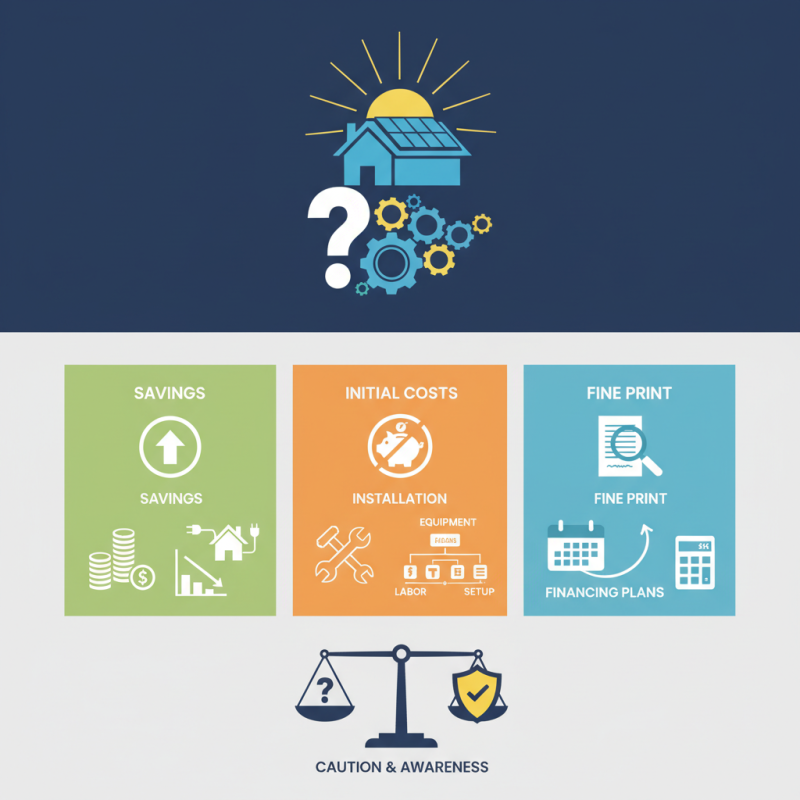
Many homeowners are drawn to the prospect of reducing electricity bills while harnessing clean energy. However, the reality is more complex. The initial investment for installation and system setup can add up. Additionally, some offers may come with long-term financing plans that aren't immediately obvious. The perception of something being free can sometimes mask these underlying expenses.
As Tesla pushes its solar products, it is vital for consumers to approach with caution. Evaluating the total costs involved is essential. Understanding the fine print can reveal what "free" truly means in this context. In the race for sustainable energy solutions, clarity and awareness are key. Buyers need to ensure they are making informed decisions, rather than falling for marketing allure alone.
Understanding Tesla's Solar Panel Pricing Model
Tesla's solar panel pricing model often raises questions among potential buyers. Many consumers believe solar panels are free or have minimal costs. However, the truth is more nuanced. While promotional offers suggest low upfront costs, most customers still face installation and maintenance fees. A report from the U.S. Department of Energy reveals that solar installation costs have dropped significantly, yet depend on a variety of factors, like location and system size.
To understand the pricing model, consider total ownership costs. Buyers should evaluate long-term savings versus upfront payments. According to the National Renewable Energy Laboratory, well-planned solar power systems can yield savings exceeding $20,000 over 20 years. This highlights the importance of understanding financing options.
Tip: Always request multiple quotes before making a decision. Comparing estimates can reveal significant price differences.
Many potential buyers overlook hidden costs, like system maintenance and inverter replacements. These expenses can accumulate over time. As a result, evaluating financing models becomes crucial. If the cost seems low at first, it might be higher in the long run.
Tip: Factor in potential energy savings when assessing total investment value. This calculation could provide a clearer picture of actual costs.
Exploring the Concept of "Free" in Solar Panel Financing
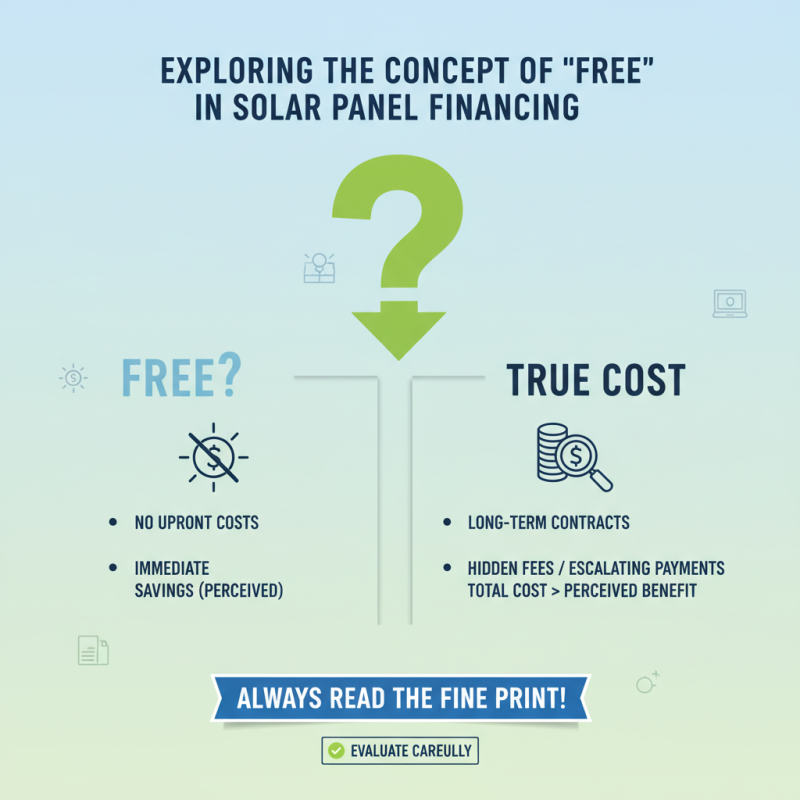
When considering solar panel financing, many buyers encounter the term "free." However, this concept deserves scrutiny. Some financing options may not require upfront payments, but they are often tied to long-term agreements. These agreements may involve hidden costs or escalating payments over time. Buyers should carefully evaluate the true expenses versus the perceived benefits.
In reality, the "free" label can be misleading. While some solar offerings promise no initial payment, they often include intricate terms. For instance, performance payments or maintenance fees can add up. Consumers need to analyze their electric bills. They must understand how these panels will fit into their overall financial picture. Real savings should be weighed against potential obligations.
Furthermore, personal experiences with solar financing can vary widely. Some users report satisfaction with their installations. Others express frustration over the lack of transparency. It's essential to do thorough research and seek out expert opinions. Engaging with trusted solar advisors can illuminate hidden aspects of financing. This ensures a clearer understanding of the overall cost-effectiveness of solar solutions.
Analyzing Tesla's Solar Panel Purchase and Lease Options
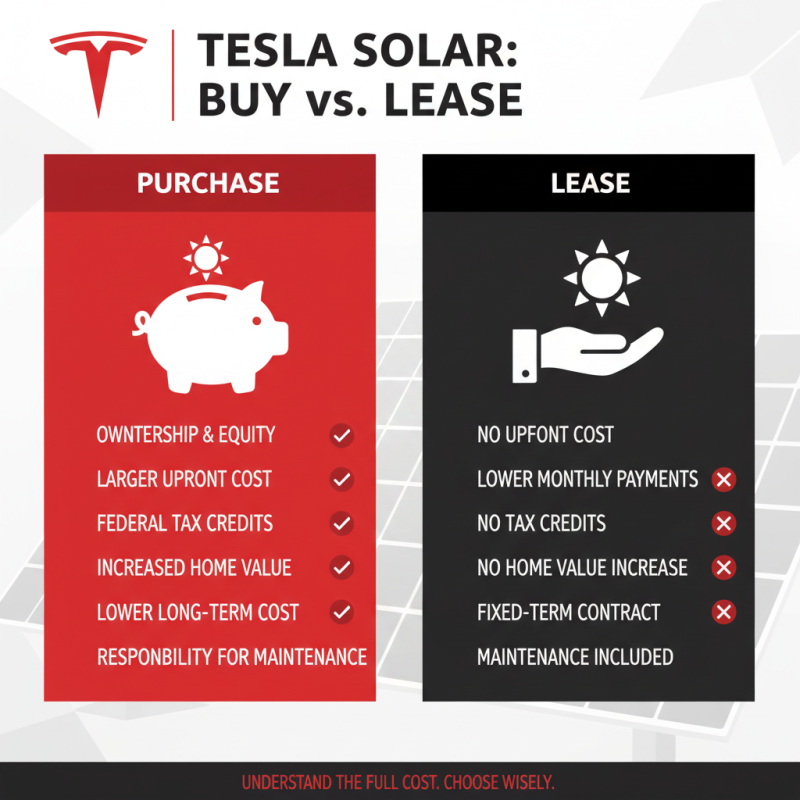
Choosing solar panels can be confusing. Buyers often wonder about purchase versus lease options. Some sellers promote "free" solar panels, but the details matter. Understanding the full cost is crucial.
When leasing, you typically pay monthly fees. These might seem low, but over time, they add up. The initial allure of zero-cost panels can lead buyers to overlook long-term financial implications. Ownership offers benefits. Owners can take advantage of tax credits and rebates. Lease agreements often lack these perks.
Many homeowners rely on the promise of solar energy savings. Yet, not every situation ensures savings. Factors like local energy costs and roof orientation play a role. Free panels can mask complex terms that might not favor the homeowner. Attention to detail is vital. Be wary of marketing language that offers free solutions without clarity. Reflecting on your unique situation is key to making an informed decision.
Evaluating Long-term Savings versus Upfront Costs
When considering solar panels, the upfront cost is a major factor. Many buyers are drawn to the promise of zero initial expenditure. However, it's important to evaluate how this potential free installation can impact long-term savings. Over the lifespan of the panels, energy savings can accumulate rapidly, often leading to substantial financial benefits. An initial investment may indeed be recouped over time through reduced energy bills.
Yet, not all installations lead to significant savings. Some systems might require maintenance, which can add unexpected costs. It's crucial to analyze your specific situation and energy consumption. Not every household will see the same return on investment. Factors such as location, energy usage, and panel efficiency play a vital role in determining overall savings. Many find themselves disappointed when expectations don’t meet reality.
Ultimately, understanding the financial landscape is essential. A careful calculation comparing upfront costs to long-term savings provides clarity. Without a thorough assessment, buyers may face surprises down the road. The allure of free solar energy must be matched with realistic expectations to make an informed decision. Making the right choice involves looking beyond the initial offer.
Are Solar Panels Really Free for Buyers? - Evaluating Long-term Savings versus Upfront Costs
| Category |
Upfront Cost ($) |
Average Annual Savings ($) |
Payback Period (Years) |
Expected Lifespan (Years) |
Total Savings Over Lifespan ($) |
| Standard Installation |
15,000 |
1,200 |
12.5 |
25 |
30,000 |
| Premium Installation |
25,000 |
1,800 |
13.9 |
25 |
45,000 |
| Budget Installation |
10,000 |
900 |
11.1 |
20 |
18,000 |
Customer Experiences and Testimonials on Tesla Solar Panels
Many customers express mixed feelings about solar panels marketed as "free." While the term may captivate potential buyers, the reality often falls short. Numerous testimonials highlight both satisfaction and frustration with installation and long-term costs. According to a report from the Solar Energy Industries Association, installation fees can vary significantly, leading to unexpected charges that many didn't anticipate.
Experts indicate that the average payback period for solar investments is around 5-7 years depending on the system’s efficiency. Several consumers noted that while monthly energy bills could decrease, they still faced high upfront costs. Some have said the promises of significant savings felt overstated. Reflecting on their choices, customers suggest researching local incentives and understanding finance options before committing.
Tips: Assess your energy needs carefully. Gain a clear understanding of installation costs. Look for independent reviews on various platforms to gauge real customer experiences. A mix of positive and negative feedback can provide insight. Don't rush into a decision; take your time to consider all aspects.