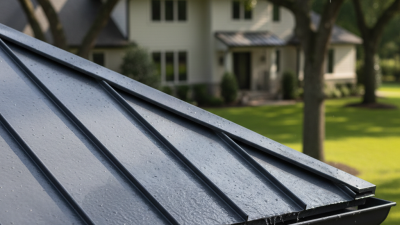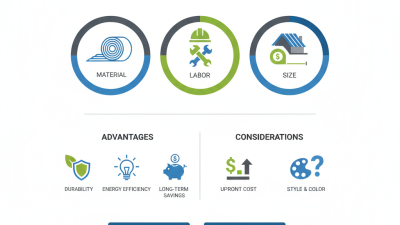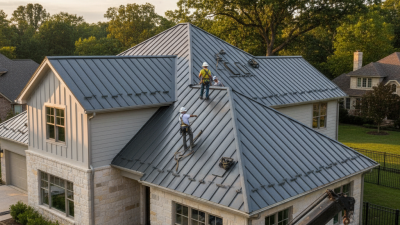
Choosing among China’s top 10 metal roof suppliers requires more than comparing factory prices. The real question is metal roof cost after material grade, coating, fabrication, packaging, shipping, and installation are included. Grand View Research’s 2024 Metal Roofing Market analysis reports continued global growth, supported by longer service life and improved energy performance. Meanwhile, the U.S. Department of Energy notes that reflective metal roofing can reduce heat gain when suitable coatings are applied. These findings matter in hot regions, but they do not create one universal price.
A practical budgeting range for common steel panels is often about US$4–$12 per square foot installed, while premium aluminum, zinc, or standing-seam systems may cost more. Supplier quotations from China are usually lower because they may show EXW or FOB prices, not the delivered project cost. Gauge, AZ coating, paint system, panel length, accessories, and minimum order quantity can change the final figure quickly. Small details matter.
Todd Miller, president of Isaiah Industries and a recognized metal-roofing specialist, has repeatedly emphasized, “A metal roof is only as good as its installation.” That warning deserves attention. A low quotation can become expensive when fasteners, flashing, insulation, or quality control are missing. Our comparison examines supplier capability, certifications, production experience, export service, and realistic landed cost. Some figures will remain estimates, because freight rates and steel prices change. That uncertainty should be acknowledged, not hidden.
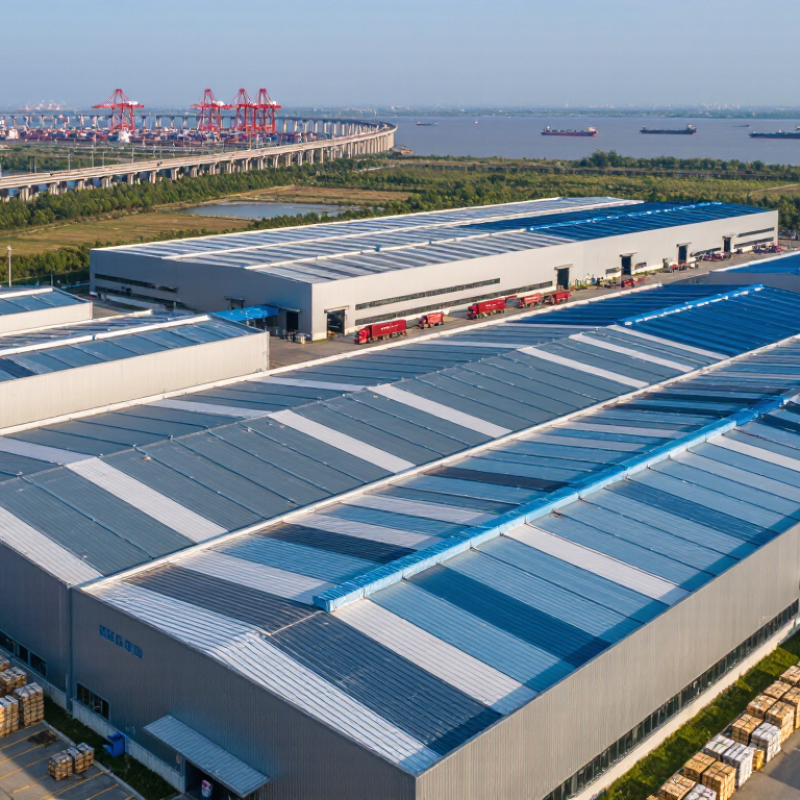
Metal roofs are roofing systems made from coated steel, aluminum, or zinc panels. They may use standing seams, corrugated sheets, or interlocking tiles. In China, these roofs appear on factories, warehouses, rural homes, villas, and temporary buildings. Their low weight reduces structural pressure, especially during renovation projects.
They are popular because they install quickly and tolerate rain, sun, and seasonal temperature changes. In humid southern regions, protective coatings help reduce corrosion. In northern areas, insulated panels can improve indoor comfort. Coastal projects need stronger fixing and careful wind-load design. Small details matter. Poorly sealed laps may cause leaks, even when the panels look excellent. A site inspection should check drainage, purlin spacing, fasteners, and local weather exposure.
Cost varies widely across China. Basic metal panels may cost about 80–180 RMB per square meter. A complete system with insulation, flashings, labor, and accessories may reach 180–450 RMB per square meter. Aluminum and thicker coated steel usually cost more. These figures are only working estimates, not fixed quotations. I once underestimated the cost of edge trim and transportation; that mistake changed the final budget noticeably. Buyers should request a written breakdown showing metal thickness, coating type, insulation density, installation scope, warranty terms, and maintenance requirements. A cheap panel can become expensive when replacement work begins.
| No. | Metal Roofing System | Typical Steel / Metal Thickness | Typical Material Cost (RMB/m²) |
Typical Installed Cost (RMB/m²) |
Typical Service Life | Main Advantages | Common Applications in China |
|---|---|---|---|---|---|---|---|
| 1 | Galvanized Corrugated Steel Sheet | 0.40–0.80 mm | ¥45–100 | ¥110–220 | 10–25 years | Low initial cost, light weight, fast installation | Agricultural buildings, workshops, storage sheds |
| 2 | Pre-Painted Steel Roofing Sheet | 0.40–0.80 mm | ¥55–120 | ¥120–250 | 10–30 years | Multiple colors, improved appearance, corrosion-resistant coating | Commercial buildings, factories, residential extensions |
| 3 | Aluzinc / Galvalume Steel Roofing | 0.45–0.80 mm | ¥65–140 | ¥140–280 | 20–35 years | Better heat and corrosion performance than basic galvanized sheet | Industrial facilities, warehouses, coastal and high-temperature regions |
| 4 | Standing-Seam Metal Roof | 0.60–1.00 mm | ¥100–240 | ¥220–480 | 25–50 years | Concealed fasteners, strong watertightness, low maintenance | Large factories, airports, sports halls, modern architecture |
| 5 | Insulated Metal Sandwich Panel | 50–150 mm panel core | ¥100–230 | ¥180–380 | 15–30 years | Combines roofing and insulation, quick construction, improved energy efficiency | Cold storage, cleanrooms, logistics centers, industrial buildings |
| 6 | Aluminum Roofing Sheet | 0.70–1.20 mm | ¥160–340 | ¥320–650 | 30–50 years | Lightweight, naturally corrosion-resistant, suitable for humid environments | Coastal buildings, transport facilities, public architecture |
| 7 | Stone-Coated Metal Tile | 0.35–0.50 mm steel core | ¥120–260 | ¥250–520 | 20–40 years | Tile-like appearance, relatively light, good wind resistance when properly fixed | Villas, hotels, resorts, residential redevelopment |
| 8 | Stainless Steel Roofing | 0.50–1.00 mm | ¥240–550 | ¥480–900 | 40–70 years | High strength, excellent durability, strong resistance to moisture and pollution | Industrial plants, high-end commercial and public projects |
| 9 | Zinc Roofing | 0.65–1.00 mm | ¥320–700 | ¥650–1,200 | 50–80 years | Long service life, self-protecting surface patina, architectural appearance | Premium residential, cultural and architectural projects |
| 10 | Copper Roofing | 0.50–0.80 mm | ¥500–1,200 | ¥900–1,800 | 60–100+ years | Very long life, distinctive appearance, natural corrosion protection | Heritage buildings, landmark projects, luxury architecture |
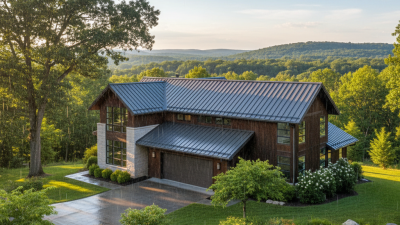
Identifying China’s top 10 metal roof suppliers requires more than comparing online prices. Start with verifiable manufacturing evidence, not polished product pages. Check factory ownership, production lines, monthly capacity, and export experience. A reliable supplier should provide clear specifications for steel grade, thickness, coating weight, panel profile, and warranty terms. Ask for recent factory videos or arrange an independent inspection. Small details matter.
Request physical samples before discussing large orders. Measure coating thickness, panel dimensions, edge quality, and color consistency. A useful sample should arrive with a material certificate and testing information. Confirm whether the quoted price includes accessories, packaging, loading, and inland transport. The lowest sheet price can become expensive after freight, taxes, waste, and replacement risks. Calculate the complete landed cost.
Interview several previous buyers, preferably from similar climates and project sizes. Their feedback may reveal delayed production, weak packaging, or slow technical support. Review the supplier’s response time and ability to solve a damaged-panel problem. Communication is evidence of service quality. It is not perfect evidence. Even a factory with strong certificates may miss deadlines during peak seasons. Keep a scoring sheet for quality, capacity, documentation, delivery, payment terms, and after-sales support. Rank suppliers only after comparing identical specifications and realistic order quantities. Verify every important claim twice.
Leading Chinese metal roof suppliers usually provide more than roofing sheets. Their product ranges may include standing-seam panels, corrugated sheets, tile-profile panels, insulated sandwich panels, gutters, ridge caps, and custom flashings. Common materials include galvanized steel, galvalume steel, and aluminum. Coating thickness and core insulation affect service life.
The service process often begins with drawings, roof measurements, and wind-load calculations. Experienced teams can prepare shop drawings and recommend panel thickness for warehouses, homes, or agricultural buildings.
They may also offer roll forming, color matching, packaging, container loading, and installation guidance. Ask for coating data, test reports, and clear warranty terms. Photos alone are not enough.
Pricing commonly starts around 8 to 35 US dollars per square meter for panels. Complete systems may cost 20 to 60 dollars per square meter after insulation, trims, fasteners, and labor. Ocean freight can change the final figure sharply.
A low quotation may exclude edge details or engineering work. That is where mistakes happen. Buyers should compare identical specifications, not only headline prices.
Request sample panels, confirm tolerances, and inspect packaging before shipment. Even careful planning can miss local snow loads or drainage needs. That deserves a second review.
A metal roof in China typically costs RMB 180–450 per square metre, including materials and installation. This range reflects 2024–2025 regional cost bulletins from the China Construction Cost Association. It also aligns with coated-steel price movements reported by Mysteel. Basic galvanized steel sheets may cost RMB 70–140 per square metre. Pre-painted steel systems often reach RMB 100–220. Aluminum and higher-specification systems can exceed RMB 300.
Installation changes the final figure. A simple warehouse roof may add RMB 50–100 per square metre. Complex residential roofs can require RMB 120–220. Insulation, waterproof membranes, gutters, flashing, transport, and scaffolding are often quoted separately. A 500-square-metre roof may therefore cost RMB 100,000–225,000 before structural repairs. Regional labor rates matter. Coastal cities usually carry higher logistics and labor expenses.
These figures are planning estimates, not fixed quotations. I would not treat them as a final bid. On site, rust removal and uneven purlins can add unexpected work. This is where many budgets fail. Buyers should request a measured bill of quantities, steel thickness, coating specification, fastener grade, and warranty terms. The China Metal Construction Association has repeatedly emphasized system performance, not sheet price alone. A cheaper panel may have thinner coating and shorter service life. That trade-off deserves careful checking.
Comparing China’s top ten metal roof suppliers requires more than checking the lowest quotation. A practical review starts with the roof’s location, span, wind exposure, coating needs, and installation method. Ask each supplier for a project-specific bill of materials. Generic prices often hide missing trims, fasteners, insulation, or packaging. I have seen a low offer become expensive after these items appeared. That mistake is common.
Request the steel grade, thickness tolerance, coating weight, paint system, and test reports. Reliable suppliers explain how these details affect service life, rather than repeating catalogue terms. Check production capacity through factory photographs, video inspections, or an independent audit.
Ask for recent export references with similar climates and roof sizes. Samples matter. Measure coating thickness and panel dimensions when possible. A polished sample can still conceal inconsistent batches. I would not ignore that risk.
Compare the complete landed cost, including tooling, inland transport, ocean freight, insurance, duties, and installation guidance. Study payment terms and response times for technical questions. Clear drawings, numbered components, and protective packing show process control. Confirm warranty conditions in writing, especially exclusions for installation errors and coastal corrosion. A supplier who admits limitations may be more dependable than one promising everything.
My comparison would use a weighted score: quality 35%, delivered cost 25%, production control 20%, communication 10%, and after-sales support 10%. These percentages can change when local weather or installer skill becomes more important.