Top Solar Install Trends to Watch in 2026?
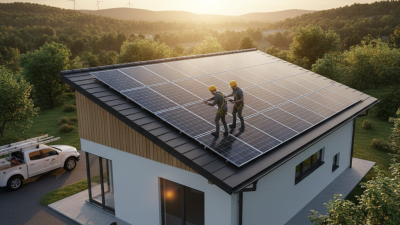
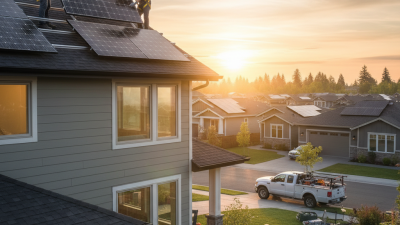
As we approach 2026, the solar install market is evolving rapidly. Industry reports indicate that the global solar capacity could reach over 1,600 gigawatts by 2026, a remarkable increase from previous years. This growth is driven by technological advancements, decreasing costs, and rising demand for renewable energy. Solar energy is no longer just an alternative; it is becoming a primary choice for businesses and homeowners alike.
However, while the potential is immense, challenges persist. The installation process can still be cumbersome and sometimes inconsistent. Issues such as financing gaps and regulatory hurdles remain significant concerns for many consumers. According to recent surveys, 52% of potential customers find the complexity of incentives daunting. This highlights the need for a more streamlined approach to solar install processes.
Understanding these trends is crucial for stakeholders in the solar industry. As installation techniques evolve, keeping up with best practices and market needs will be vital. The journey ahead is not without its obstacles, but the opportunity to create a more sustainable future is within reach. Adapting to emerging trends will play a key role in shaping the solar install landscape in the years to come.
Emerging Solar Technologies Shaping the Landscape in 2026
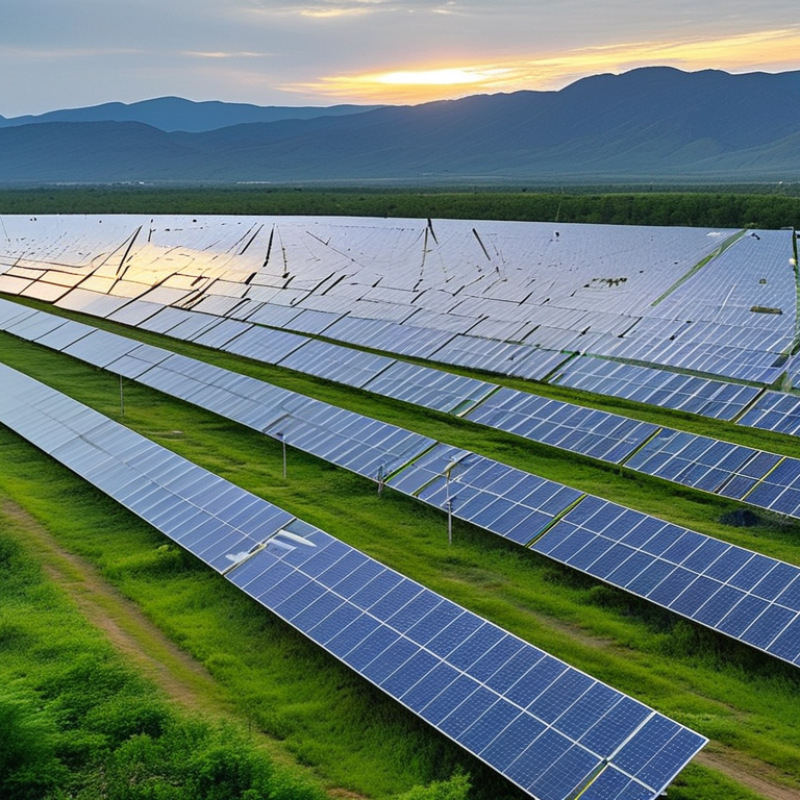
The solar energy industry is evolving rapidly, with new technologies shaping its future by 2026. One trend to watch is the rise of bifacial solar panels. These panels capture sunlight from both sides, increasing energy output. A recent study shows that bifacial panels can boost efficiency by up to 30%. This efficiency gain is crucial as energy demands continue to rise.
Energy storage technologies are also gaining traction. Lithium-ion batteries dominate today, but emerging solutions like solid-state batteries promise enhanced performance and safety. According to market forecasts, solid-state batteries could cut costs by 40% compared to traditional options. This shift is vital for storing renewable energy during peak production times.
The integration of artificial intelligence (AI) into solar systems cannot be overlooked. AI enhances energy management and predictive maintenance. By analyzing data from various sources, AI can predict system failures before they occur. However, the reliance on technology raises concerns about cybersecurity. As the solar landscape transforms, balancing innovation and safety is essential.
Trends in Solar Panel Efficiency and Production for 2026
In 2026, the solar energy sector will likely witness significant advancements in both panel efficiency and production methods. A growing focus on improving conversion rates will be evident, with technologies pushing boundaries beyond 25%. Innovations in materials, like perovskites, are becoming more mainstream. These new materials promise higher efficiency at a lower cost, making solar power more accessible.
Manufacturing processes are expected to evolve. Automation is increasing, leading to a faster and cheaper production line. However, this rapid change also raises questions about quality control. Manufacturers may need to balance speed with the integrity of their products. Trade-offs in efficiency and environmental impact during production warrant reflection.
Moreover, recycling solar panels will gain more attention. As installations grow, so does the need to manage waste. Solutions must emerge to ensure sustainability long-term. The industry must face challenges regarding waste management and materials sourcing. With a mindful approach, the future can be both efficient and environmentally responsible.
The Role of Energy Storage Solutions in Solar Installations by 2026
The growth of solar installations by 2026 will be significantly influenced by energy storage solutions. Reports indicate that the global energy storage market is expected to exceed 200 gigawatt-hours by 2026. This shift is vital for maximizing solar energy utilization, especially in regions prone to variability. As more homes and businesses adopt solar panels, integrating energy storage can enhance efficiency and reliability.
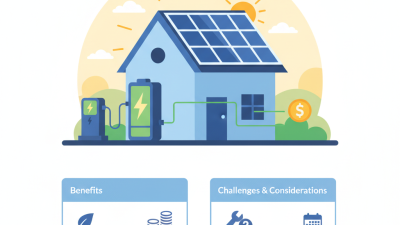
Energy storage systems allow for the capture of excess energy produced during peak sunlight. This energy can then be used later when production dips, ensuring a continuous power supply. According to a recent study, adding battery storage to solar systems can increase self-consumption by up to 80%. This integration not only empowers end-users but also relieves pressure on the grid. The challenge remains: not all energy storage solutions are created equal. Variability in performance and cost must be considered.
Furthermore, as technology advances, new energy storage options will emerge. Innovations may lead to more efficient and affordable solutions. However, installation and maintenance issues can arise. The focus should be on creating systems that are not only efficient but also user-friendly. Collaboration between stakeholders is essential to address these challenges and harness the full potential of solar energy by 2026.
Government Policies and Incentives Influencing Solar Installations in 2026
In 2026, government policies and incentives will play a critical role in shaping the solar installation landscape. According to a report by the Solar Energy Industries Association, federal tax credits are set to boost residential and commercial installations significantly. These tax incentives can cover up to 30% of installation costs, which makes solar energy more accessible.
Additionally, state-level initiatives are emerging, encouraging local installations. Many states now offer rebates and grants to homeowners. A study by the National Renewable Energy Laboratory indicates that states providing such financial support see a higher adoption rate of solar technologies. However, challenges remain. Not all states are equally proactive, resulting in uneven growth across the country. This disparity can lead to frustration among potential adopters.
Another point for reflection is the evolving energy regulations. Some regions may introduce stricter building codes that impact solar panel installation. While the intention is to promote sustainability, these regulations could hinder progress. Stakeholders must navigate these complexities to balance growth and compliance effectively.
Consumer Behavior and Market Demand Trends for Solar Energy Systems in 2026
The solar energy market is changing. By 2026, consumer preferences will shift towards sustainability and cost-effectiveness. People are becoming more eco-conscious. They want products that not only save money but also reduce their carbon footprint. Homeowners will likely seek solar systems that integrate well with smart technology. This growing demand is reshaping manufacturers’ offerings.
Cost remains a critical factor. Consumers are looking for affordable solutions without sacrificing quality. Lower upfront costs can drive adoption. The rise of financing options makes solar more accessible. Yet, some still hesitate due to misconceptions about installation and maintenance. Education around these topics will be vital in overcoming resistance.
Energy independence is another driver. Many consumers want to produce their own electricity. This desire for self-sufficiency often leads to increased interest in battery storage. Yet, challenges persist. Confusion about the technology can deter potential buyers. Clear communication about benefits and advancements is necessary. Understanding these trends will enhance market strategies and meet consumer expectations.