10 Essential Tips for Choosing Solar Panels for Houses
Choosing solar panels for houses can be a daunting task. With the variety of options available, homeowners may feel overwhelmed. Making an informed decision is crucial. Quality solar panels can enhance your home's energy efficiency and reduce utility bills.
Consider factors like efficiency, warranty, and cost. Ask about the manufacturer's reputation and their experience in the industry. Solar panels for houses should reflect durability and modern technology. Look for brands with positive reviews and proven performance. Research is key to finding reliable products.
Installation is another important aspect. Hiring a knowledgeable professional ensures optimal placement and performance. You don't want to overlook this step. Investing in solar panels should lead to long-term benefits and savings. Choose wisely, and your decision will pay off in the years to come.
Understanding Your Energy Needs Before Choosing Solar Panels
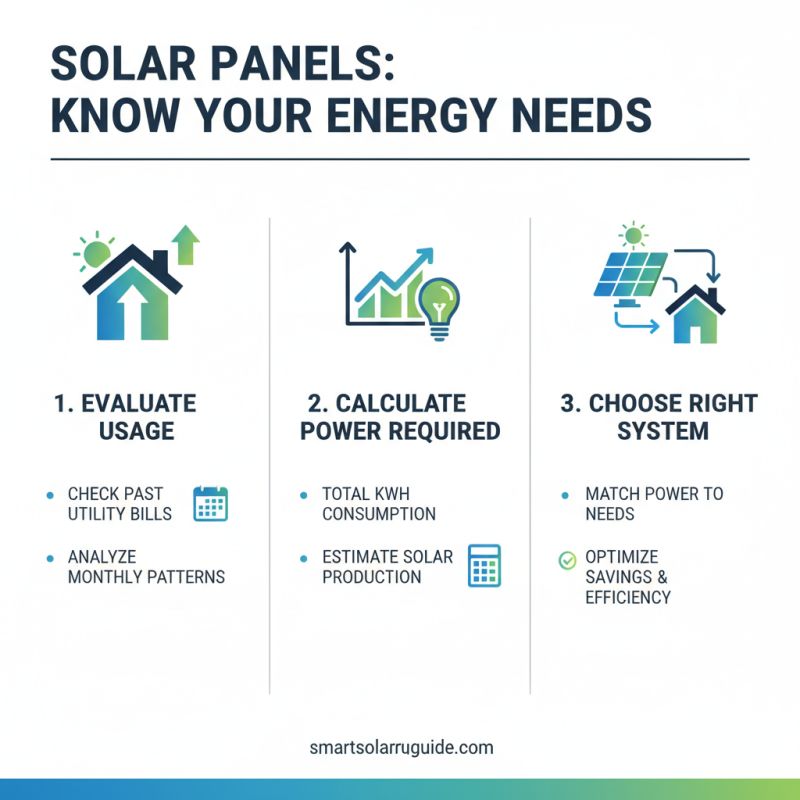
Understanding your energy needs is crucial when selecting solar panels for your home. Start by evaluating your average energy usage. Look at your past utility bills to determine monthly consumption patterns. This data is valuable for understanding how much solar power you need.
Consider factors like household size and electrical appliances. Larger families usually have higher energy demands. Additionally, think about future changes. Will you be adding devices or increasing energy consumption? These questions help clarify your solar requirements.
It's also important to assess your roof space and sunlight exposure. Not all roofs are equally suitable for solar installations. Check for shading from trees or neighboring buildings. These elements can significantly impact solar efficiency. Reflect on these aspects before making a decision. A detailed understanding will lead to better choices aligned with your energy needs.
Evaluating the Different Types of Solar Panels Available on the Market
When evaluating the different types of solar panels available on the market, it's essential to consider various factors. The three primary types of solar panels are monocrystalline, polycrystalline, and thin-film.
Monocrystalline panels are known for their high efficiency, often exceeding 20%. A report from the National Renewable Energy Laboratory indicates that they perform better in low-light conditions. However, they can be more expensive compared to other types.
Polycrystalline panels offer a more affordable option. Their efficiency typically ranges from 15% to 20%. This type is composed of multiple silicon crystals, which can reduce performance in high-temperature conditions.
Thin-film solar panels are lightweight and flexible. Their efficiency is generally lower, around 10% to 12%, but they can be installed in unique situations where traditional panels cannot. This versatility may come with trade-offs in energy output and durability.
It is crucial to evaluate installation requirements and space. Each panel type has its benefits and drawbacks. Furthermore, a study by the Solar Energy Industries Association shows that the installation quality can significantly impact performance. Therefore, consumers should weigh these factors carefully to make an informed decision tailored to their specific needs.
Assessing Solar Panel Efficiency Ratings and Their Importance
When selecting solar panels for your home, efficiency ratings play a crucial role. These ratings indicate how well a panel converts sunlight into electricity. The higher the efficiency, the more energy you can generate. Most residential solar panels have efficiency ratings ranging from 15% to 22%. Choosing the right panel can significantly impact your energy bills and overall savings.
Not all high-efficiency panels are created equal. Some may perform better in lower light conditions, while others excel in direct sunlight. It's essential to consider your local weather conditions and the specific placement of your panels. A panel with a high efficiency rating might not always be the best option if it doesn't fit your unique needs. Evaluating these parameters can be complex and requires thoughtful consideration.
Regularly reviewing and comparing efficiency ratings can help you make an informed decision. However, many consumers overlook this step. Assessing warranties and durability is equally important. A panel that lasts longer may be a better long-term investment, even if it has a slightly lower efficiency rating. The balance between performance, longevity, and cost should be carefully examined for an optimal choice.
Considering the Warranty and Lifespan of Solar Panels
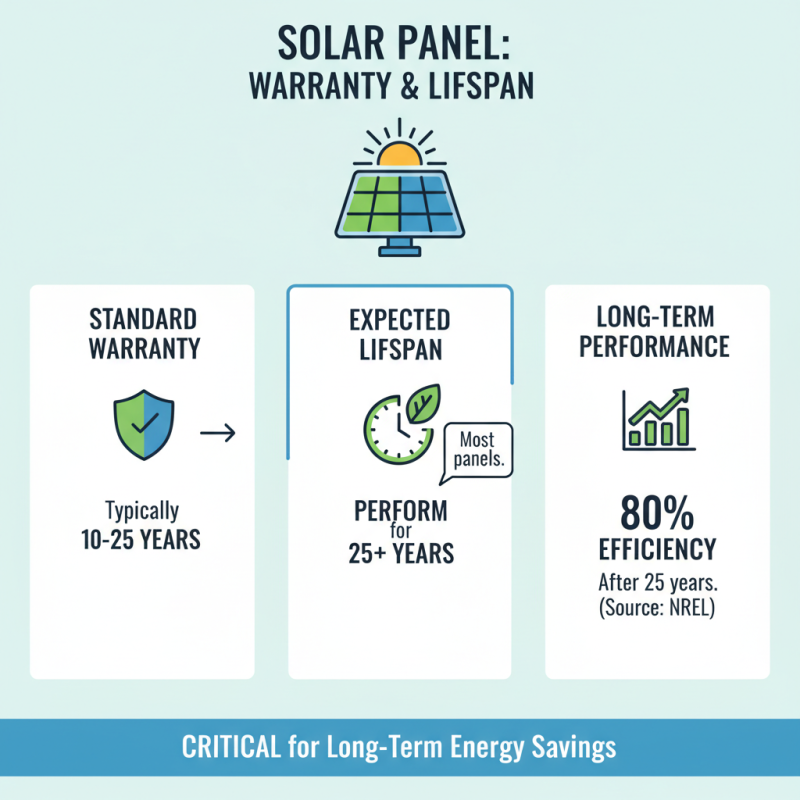
When selecting solar panels, warranty and lifespan are critical considerations. A standard warranty usually ranges from 10 to 25 years. However, research shows that most panels perform well for at least 25 years. According to the National Renewable Energy Laboratory, quality panels maintain about 80% of their performance after 25 years. This endurance is vital for long-term energy savings.
Many homeowners focus solely on price, neglecting warranty implications. A longer warranty often indicates higher quality. Some manufacturers offer performance guarantees, promising specific energy output levels. Consumers should read fine print carefully to understand what is covered. Studies reveal that panels underperform due to manufacturing defects. About 5% of systems face significant issues within the first few years.
Choosing panels based on warranty can lead to better service and reliability. A robust warranty can mean lower maintenance costs over time. Homeowners should research various providers and their histories. Some manufacturers have gone out of business, leaving customers without support. This uncertainty highlights the need for thorough research before investing.
Exploring Costs, Incentives, and Financing Options for Solar Panels
When considering solar panels for your home, understanding costs is crucial. The average installation can range significantly based on your location and energy needs. For instance, homes in sunny areas might see quicker returns on investment. It's wise to collect multiple quotes and analyze the details. Look for hidden fees or unclear charges that could impact your budget.
Incentives play a vital role in reducing upfront costs. Many governments offer rebates or tax credits for solar panel installations. Research local programs to maximize your savings. Some options might involve low-interest loans, making solar more accessible for various budgets. Keep in mind, these incentives can change. Regularly check for updates to ensure you're utilizing available options effectively.
Financing options also deserve attention. Some families may struggle to pay upfront costs. Solar leasing or power purchase agreements can provide flexibility. These arrangements allow homeowners to enjoy solar energy without significant initial expenses. However, they can lead to long-term commitments and potential complications. It’s essential to assess your financial situation and future plans.