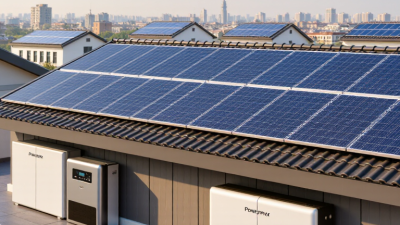
Solar panels for houses can turn a sunlit roof into a source of household electricity, but the value is not identical for every home. A family that uses power during bright afternoon hours may benefit differently from one that relies on evening appliances. Roof direction, shade from a maple tree, local electricity prices, and the utility’s export rules all affect the result. Small details matter.
A useful decision starts with a recent electricity bill and a site assessment, not a dramatic savings promise. Ask installers to explain the system size, estimated annual production, equipment warranties, and how their estimate accounts for cloudy days. Compare written quotes and check the installer’s qualifications, insurance, and track record through reliable local sources. If a battery is included, ask what it can actually run and for how long. It depends.
The financial case should include upfront costs, financing terms, maintenance, and possible roof repairs. Incentives can change, so confirm current details with official government or utility sources before counting them. A payback estimate may look exact, but it depends on future rates, household use, and equipment performance. That uncertainty deserves attention. Solar can lower grid purchases and add resilience when paired with storage, yet it is not a guaranteed shortcut to a smaller bill. The right question is not whether solar is always worth it, but whether the numbers and practical fit make sense for your home.
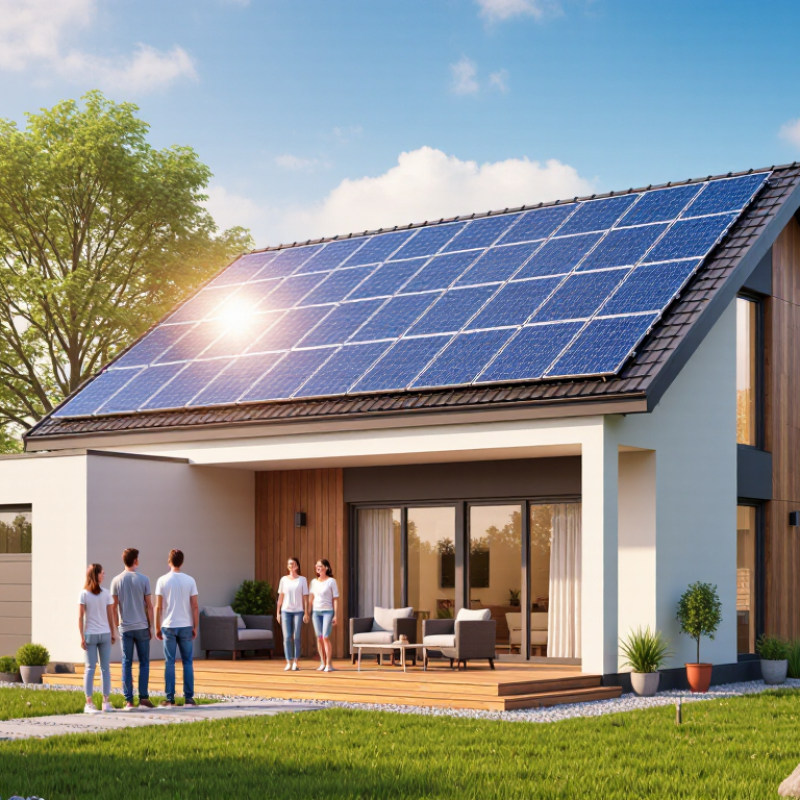
Residential solar panels generate electricity through the photovoltaic effect. Sunlight strikes silicon cells and releases electrons, creating direct-current electricity. An inverter then converts that power into alternating current for household appliances. Extra electricity may flow to the grid, depending on local regulations and utility programs.
Fraunhofer ISE’s Photovoltaics Report 2024 places commercial module efficiency near 20–23%. That means a 400-watt panel can produce about 400 watts under ideal test conditions, not every hour. Real output changes with clouds, heat, dirt, roof direction, and shading. The International Energy Agency Photovoltaic Power Systems Programme reported more than 1.6 terawatts of global photovoltaic capacity by the end of 2023. This growth reflects improving technology, but it does not guarantee equal results for every home. The roof is not a laboratory.
Tips: Request an hourly production estimate, not only an annual number. Ask how the installer models winter shadows and high summer temperatures. Check the inverter’s expected lifespan and maintenance requirements. A professional assessment should include roof age, electrical capacity, local weather, and future energy use. My calculation can still be imperfect, especially when nearby trees grow unexpectedly. That uncertainty deserves attention before signing a contract.
Solar panels can lower a household’s electricity bill, but the upfront cost is substantial. Lawrence Berkeley National Laboratory’s Tracking the Sun 2024 report puts the median price of new residential systems installed in 2023 at about $4.2 per watt, before incentives. For a 7-kilowatt system, that suggests roughly $29,400 before any applicable credits or rebates. Actual quotes vary with roof shape, wiring, local labor, and equipment. A shaded roof can change the arithmetic.
Savings depend on how much electricity the system produces and how your utility credits power sent to the grid. The U.S. Energy Information Administration reported an average residential electricity price of 16.48 cents per kilowatt-hour in 2023. At that rate, each kilowatt-hour generated and used at home can offset a meaningful purchase, though export credits may be lower. Batteries add cost; they may help during outages, but they do not automatically improve payback. Ask installers for production estimates, financing fees, maintenance assumptions, and cash and loan scenarios. Then compare the projected savings with your own bills. Payback estimates are not guarantees. Even careful models can miss future rate changes or a roof repair that arrives early.
A rooftop solar system changes the source of electricity flowing into a home. On a clear afternoon, panels convert sunlight into power without burning fuel or releasing carbon dioxide during operation. The climate benefit depends on what that electricity replaces. In its 2021 life-cycle assessment, the U.S. National Renewable Energy Laboratory found median emissions of about 40 grams of CO₂-equivalent per kilowatt-hour for solar photovoltaics. Coal-fired electricity can exceed 1,000 grams per kilowatt-hour in comparable life-cycle estimates. The difference is substantial. But solar is not impact-free.
Panels require energy and materials to manufacture, transport, and install. NREL’s analysis includes these stages, rather than counting only emissions at the roof. A household can also reduce grid demand when its panels generate power during sunny hours, though the exact benefit varies with local electricity sources and system design. Rooftops use space already built on, which can avoid some land-use impacts associated with large ground-mounted projects. Still, batteries, if added, bring extra material and manufacturing impacts. Recycling systems are improving, but end-of-life handling remains an area that deserves attention.
For homeowners, shade from a chimney or nearby tree can quietly reduce production. A well-sized system, maintained panels, and realistic output estimates matter more than optimistic projections. Solar’s environmental value is real, but not identical for every roof. It is worth asking how much clean electricity a specific system is likely to deliver over its lifetime.
A home’s solar potential depends on more than its annual sunshine. A broad, unshaded roof often makes planning easier, though a south-facing roof is not essential. Trees, chimneys, and nearby buildings can cast shadows that reduce output during useful daylight hours. Roof direction, pitch, and local weather also affect production, so a site assessment is more reliable than a rough online estimate. Roof age matters too. Panels installed over worn shingles may need to come off during later repairs. That detail is easy to overlook.
Tips: Check the roof in the morning and afternoon, not only at noon. Note shaded areas, loose shingles, and usable roof space. Compare a year of electricity bills with estimated solar production. Also consider when your household uses power; evening-heavy use may call for a different system setup.
A high electricity bill alone does not make a home a strong solar candidate. The roof should be structurally sound, with enough clear space for a practical system. Local utility rules and payment arrangements can affect the financial return, so confirm them before committing. Battery storage may help when evening use is high, but it adds cost and is not always worthwhile. There is no perfect checklist. A careful installer should explain assumptions, expected output, and uncertainties in writing, rather than promise a fixed saving.
A home solar installation begins with the roof, not the panels. Check its age, shading, and structural condition before requesting quotes; replacing shingles later can mean paying to remove and reinstall the system. A qualified installer should assess the roof, electrical service, local sun exposure, and likely energy use. The U.S. Department of Energy’s Homeowner’s Guide to Going Solar recommends comparing multiple bids and checking warranties, equipment specifications, and estimated production. Ask how the estimate accounts for cloudy days and seasonal shade. A neat proposal is not the same as a dependable forecast.
After installation, maintenance is usually modest, but “maintenance-free” is too confident. Dust matters. Leaves can collect near panel edges, while snow or bird droppings may temporarily reduce output. Check the system’s monitoring data regularly and look for persistent drops, damaged wiring, or unusual inverter alerts; leave electrical repairs to qualified professionals. Cleaning needs depend on rainfall, dust, roof access, and manufacturer guidance. Avoid climbing onto a roof just to wash panels.
Long-term performance depends on gradual degradation as well as upkeep. A 2012 NREL analysis of nearly 2,000 systems found a median annual degradation rate of about 0.5 percent. That is an average, not a promise for every home. At that rate, panels would still produce roughly 88 percent of their initial output after 25 years, before accounting for outages or repairs. Warranties can help, but read their output terms carefully. Real production may disappoint an optimistic estimate.
| Dimension | Typical residential information | What it means for homeowners |
|---|---|---|
| Typical system size | Many home systems are approximately 6–10 kW, though suitable size depends on electricity use, roof space, and local conditions. | A system should be sized using household consumption and expected production, rather than roof area alone. |
| Installation time | Physical installation commonly takes about 1–3 days. Design, permits, inspections, and utility approval can extend the overall process to several weeks or longer. | The work on the roof is usually brief; administrative approvals often determine the full timeline. |
| Electricity production | A rough U.S. planning range is about 1,200–1,700 kWh per installed kW per year. Location, shading, roof direction, tilt, and weather can move production outside this range. | Ask for a site-specific production estimate and compare it with recent utility bills. |
| Upfront cost | Prices vary substantially by location, system design, roof work, equipment, and installer. Obtain several current, itemized quotes; compare total price, system capacity, and included services. | There is no single reliable price for every home. Check whether quotes include permits, electrical work, and any required roof repairs. |
| Routine maintenance | Most grid-connected systems need little routine maintenance. Occasional visual checks and production monitoring can help identify unusual changes; cleaning is generally needed only when dirt, pollen, or other debris materially affects output. | Follow the system instructions and use a qualified professional for electrical work or roof access. Cleaning needs depend on local conditions. |
| Long-term performance | Solar modules gradually lose output over time. A commonly cited planning range for degradation is roughly 0.3–0.8% per year, but the actual rate depends on the module and operating conditions. | Review the performance warranty and expected output over time, not just the system’s first-year estimate. |
| Expected service life | Solar panels are commonly designed to produce electricity for 25 years or more. The inverter and other components may have different service lives and warranty periods. | Check warranty coverage for panels, inverter, workmanship, and roof penetrations separately. |
| Potential savings | Savings depend on system output, electricity prices, how much solar power is used in the home, financing, and local rules for exporting surplus electricity. | Use local electricity rates and current utility compensation rules when estimating payback; results are not guaranteed. |
| When solar may be less suitable | Heavy shading, limited usable roof space, an aging roof, or low local compensation for exported electricity can reduce the financial and practical benefits. | Assess the roof condition and shading before signing a contract, and compare projected benefits with the full system cost. |
Figures are general planning ranges, not a site-specific quote or savings guarantee. Actual costs, production, maintenance needs, and financial returns vary by home and location.