Top Flat Roof Materials for Your Next Roofing Project?
When planning a roofing project, understanding the best flat roof materials is crucial. According to a report by IBISWorld, the flat roofing market in the U.S. alone is valued at $4.3 billion. This highlights the demand for quality materials. Homeowners often overlook options, leading to poor choices.
Flat roofs differ in style and function. Modified bitumen, EPDM, and TPO are popular choices. Each material has unique benefits and drawbacks. For instance, EPDM is known for its durability. However, it may not be the most attractive choice for residential homes.
Choosing the right flat roof materials requires careful thought. While cost is a factor, performance matters too. A quality installation can extend the lifespan of a flat roof. Homeowners should consider weather conditions and aesthetics in their decision. Ultimately, investing time in research pays off.
Overview of Flat Roof Types and Their Applications
Flat roofs are popular for various types of buildings. They offer unique advantages and can accommodate diverse needs. Common types of flat roofs include built-up roofs, single-ply membranes, and modified bitumen. Each type has distinct characteristics and benefits.
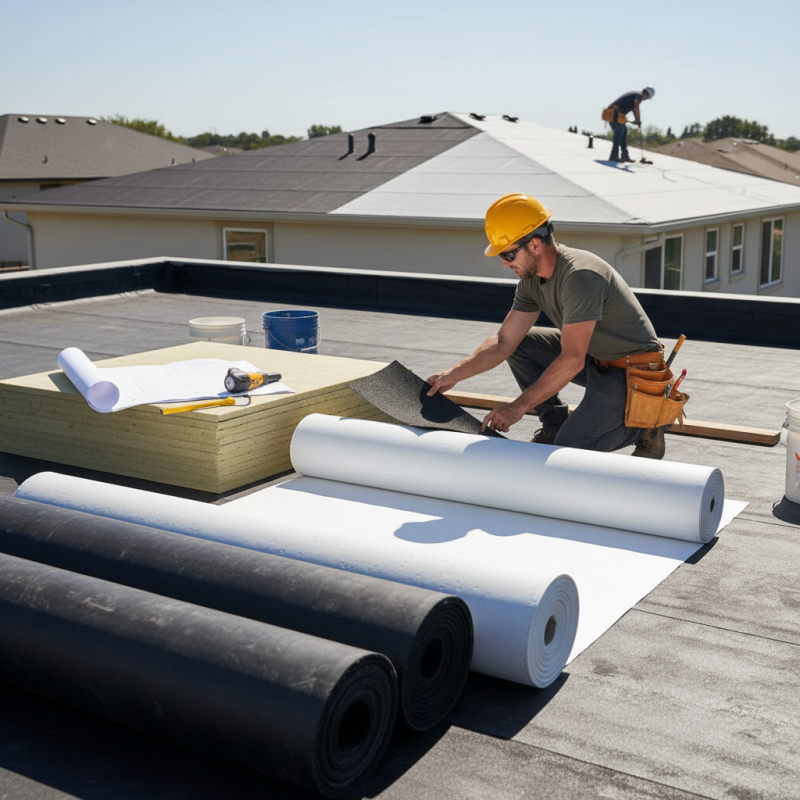
Built-up roofs consist of multiple layers. This design enhances durability and provides excellent waterproofing. They are often suitable for commercial buildings. However, the installation process can be complex. It requires skilled professionals and can be time-consuming.
Single-ply membranes are lightweight and easy to install. They are ideal for residential and small commercial buildings. These roofs are available in different materials, such as TPO and PVC. While they provide good energy efficiency, potential vulnerabilities exist. Proper installation is crucial to avoid leaks.
Modified bitumen roofs combine asphalt and polymers. They offer flexibility and strong weather resistance. This option is often used in areas with harsh climates. But they may peel or crack over time, requiring maintenance.
Key Characteristics of Popular Flat Roofing Materials
When selecting flat roofing materials, understanding their key characteristics is crucial. One popular option is EPDM (Ethylene Propylene Diene Monomer). This synthetic rubber is known for its durability and flexibility. Reports indicate that EPDM roofs can last up to 30 years with proper maintenance. Additionally, these roofs are resistant to UV rays and harsh weather conditions, making them a practical choice for varied climates.
TPO (Thermoplastic Olefin) is another widely used material. It is lightweight and cost-effective. TPO roofs are known for their energy efficiency, often reflecting sunlight and reducing cooling costs. According to industry surveys, nearly 40% of contractors favor TPO due to its installation ease. However, it may not perform as well in extreme temperatures, leading to early wear in some regions.
Lastly, modified bitumen provides excellent waterproofing. Its application involves layering, offering added strength. It can be installed via torching, cold adhesive, or self-adhesive methods. Although modified bitumen roofs boast a lifespan of up to 20 years, they do require an experienced installation team. Inadequate installation can lead to leaks and other issues. Each material has its pros and cons, and making an informed choice is essential for long-term satisfaction.
Comparison of Durability and Lifespan for Flat Roof Options
When choosing flat roof materials, durability and lifespan are crucial factors. According to industry studies, TPO (Thermoplastic Olefin) roofs have an average lifespan of 15-20 years. They are lightweight and energy-efficient, making them popular in various climates. However, their durability can be compromised by prolonged exposure to UV light.
EPDM (Ethylene Propylene Diene Monomer) is another common flat roofing choice. It can last 20-25 years with proper maintenance. This material is highly resistant to weathering and temperature fluctuations. Yet, it may suffer from punctures and tears if not installed correctly. Homeowners must consider their local weather conditions when selecting roofing materials.
PVC (Polyvinyl Chloride) roofs typically provide a lifespan of 20-30 years. They offer remarkable resistance to chemicals and fire. However, their installation costs can be higher, and improper installation may lead to leaks. Evaluating the specific needs of your roofing project will help determine which material is best suited for your building. Balancing cost, longevity, and durability is essential.
Cost Analysis: Budgeting for Flat Roof Materials
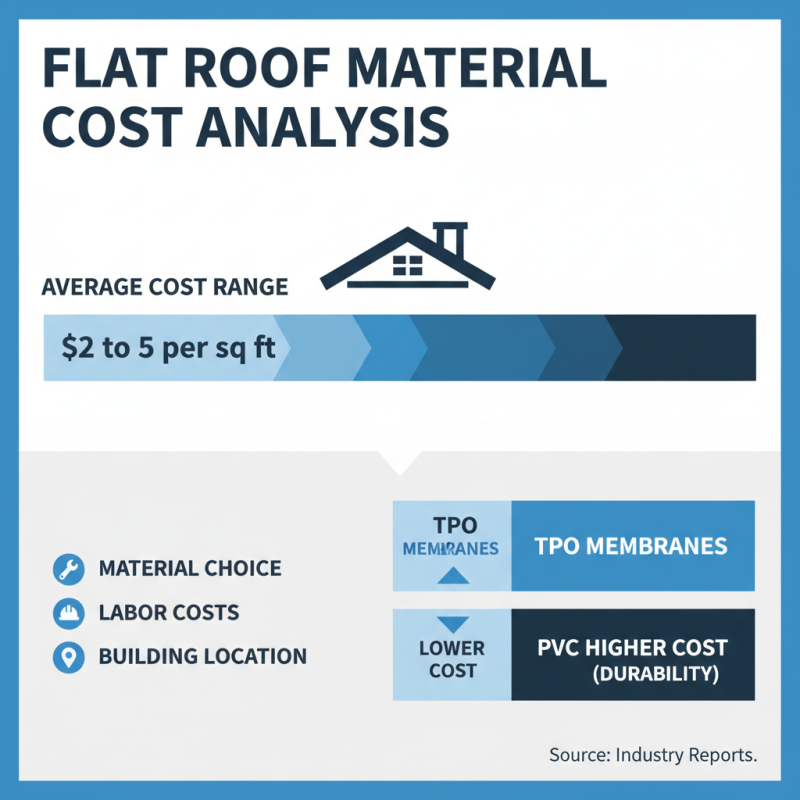
When budgeting for flat roof materials, cost analysis is essential. According to industry reports, the average cost of flat roofing materials ranges from $2 to $5 per square foot. This price can vary based on material choice, labor costs, and the building’s location. For example, TPO membranes often fall in the lower range, while PVC can be pricier due to its advanced durability.
Keep in mind that initial costs are not the only factor. Long-term performance is crucial. A study by the National Roofing Contractors Association indicated that a well-installed flat roof can last 15 to 30 years. However, the upfront investment in quality materials often leads to fewer repairs and lower overall costs. It’s easy to overlook long-term savings, but diligence pays off.
Choosing lower-cost options might seem appealing. Yet, it can lead to higher maintenance expenses. If you opt for cheaper materials, reflect on your long-term goals. Are you prepared for frequent repairs? Balancing initial costs against durability is challenging. Ensure your decisions align with both your budget and your roofing vision.
Maintenance Tips for Prolonging Flat Roof Life
Maintaining a flat roof is crucial for its longevity. Regular inspections should happen twice a year, ideally in spring and fall. These evaluations help identify issues early, preventing costly repairs. According to a report by the National Roofing Contractors Association, proper maintenance can extend the lifespan of your flat roof by 20-30%.
**Tips:** Clear debris regularly. Leaves and branches can trap moisture, leading to leaks. A clean surface allows for better drainage.
Another key point is to inspect the seams and flashing. Over time, these areas may wear down. Cracks can develop, allowing water to seep in. The Roof Coatings Manufacturers Association states that over 90% of flat roof failures stem from poor seam installation.
**Tips:** Check for blisters or bubbles. These might indicate trapped moisture. Addressing these issues promptly can save you from hefty repair bills. It's vital to stay proactive. Ignoring minor problems often leads to significant damage later.
Top Flat Roof Materials for Your Next Roofing Project - Maintenance Tips for Prolonging Flat Roof Life
| Material Type |
Lifespan (Years) |
Maintenance Frequency |
Cost per Square Foot |
Key Benefits |
| EPDM (Ethylene Propylene Diene Monomer) |
30-50 |
Every 10 years |
$3 - $6 |
Durable, weather-resistant, easy to install |
| TPO (Thermoplastic Olefin) |
22-30 |
Every 5-10 years |
$4 - $8 |
Energy-efficient, reflective surface |
| Modified Bitumen |
10-20 |
Every 3-5 years |
$3 - $7 |
Good waterproofing, easy repairs |
| PVC (Polyvinyl Chloride) |
20-30 |
Every 10 years |
$5 - $10 |
Chemical-resistant, lightweight |
| Green Roof |
40+ |
Biannual inspection |
$10 - $25 |
Eco-friendly, provides insulation |