2026 Top Flat Roof Materials for Modern Architecture Choices?
The architectural landscape is rapidly evolving, with flat roof materials playing a pivotal role in modern designs. According to the American Institute of Architects, around 70% of new commercial buildings in urban areas are adopting flat roofing solutions. This trend underscores the material’s practicality and aesthetic appeal.
Flat roofs offer unique opportunities for energy efficiency and space utilization. As reported by the National Roofing Contractors Association, reflective materials can reduce energy costs by up to 30%. However, the choice of materials can greatly influence longevity and maintenance.
While many opt for popular choices like TPO and EPDM, emerging materials challenge traditional norms. For instance, innovative green roofs promote biodiversity but may entail higher initial investments. The quest for the ideal flat roof material remains complex, requiring a balance between cost, performance, and sustainability. As architects and builders continue to explore these options, the future of flat roofing holds both promise and challenges.
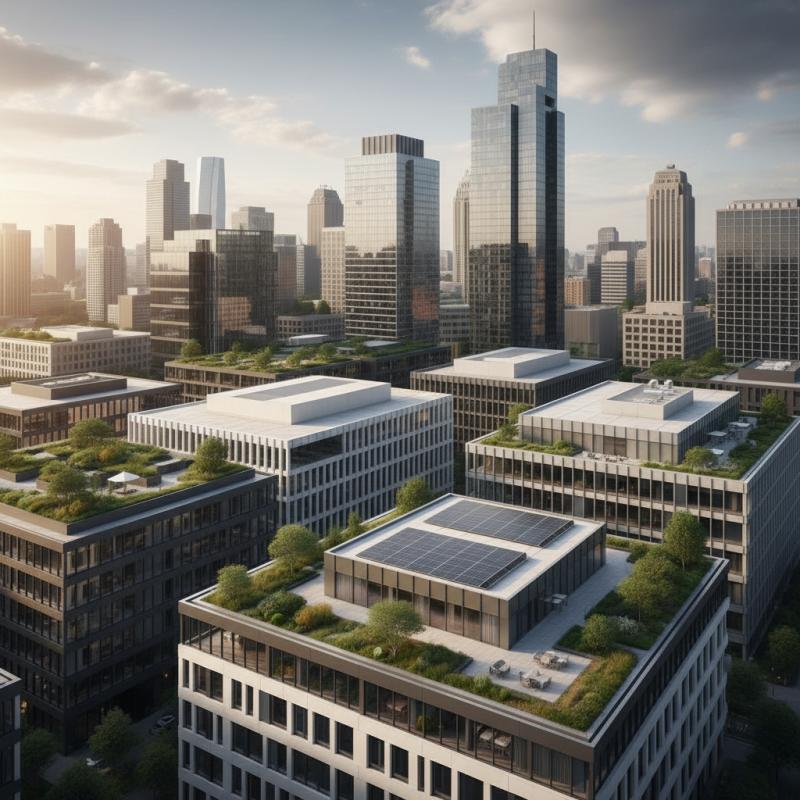
Trends in Modern Architecture Favoring Flat Roof Designs
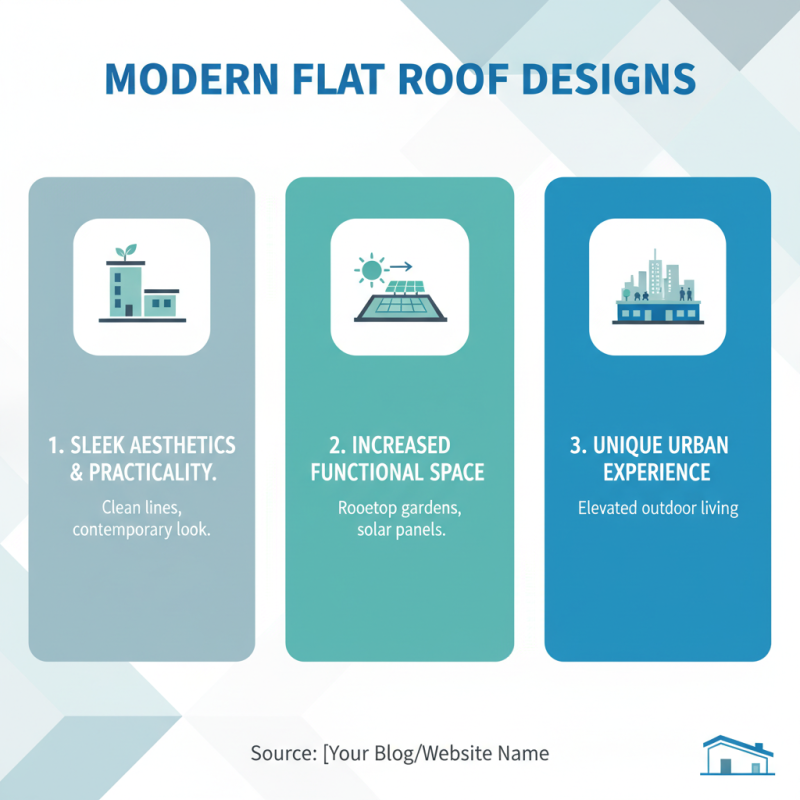
In modern architecture, flat roof designs are gaining popularity. Builders and architects appreciate their sleek aesthetics and practicality. A flat roof can provide more functional space, such as rooftop gardens or solar panels. This creates a unique urban experience for residents.
Trends show a shift towards sustainability. Flat roofs are often seen with green installations. These roofs enhance insulation and reduce heat absorption. However, not all materials handle rain effectively. Poor drainage can lead to leaks. This is a consideration for architects focusing on longevity and safety.
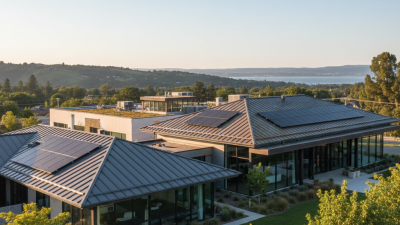
Furthermore, aesthetic appeal plays a crucial role. Flat roofs allow for creative elements, such as large overhangs or extensive windows. They create a modern silhouette that many find attractive. Yet, design choices can clash with local climates. Reflecting on these challenges can lead to better planning and implementation.
Key Considerations for Choosing Flat Roof Materials
When choosing flat roof materials, several key considerations come into play. Durability is paramount. The roof has to withstand weather extremes. Rain, snow, and sun can take a toll. A material that fails quickly will lead to costly repairs. So, understanding how each type reacts to the environment is crucial.
Another important aspect is energy efficiency. Some materials reflect sunlight, reducing cooling costs. Others provide better insulation. Think about your local climate. A properly insulated roof can enhance the overall comfort of your home. If you're unsure, consult with professionals who can offer insights tailored to your area.
Tips:
Consider maintenance needs. Some materials require regular checks. Others are more forgiving. Also, think about installation complexity. A simple installation can speed up your timeline. Remember, the choice of material impacts not just aesthetics, but long-term performance. A wise selection today can save you headaches later.
2026 Top Flat Roof Materials for Modern Architecture Choices
Overview of Popular Flat Roof Materials for 2026
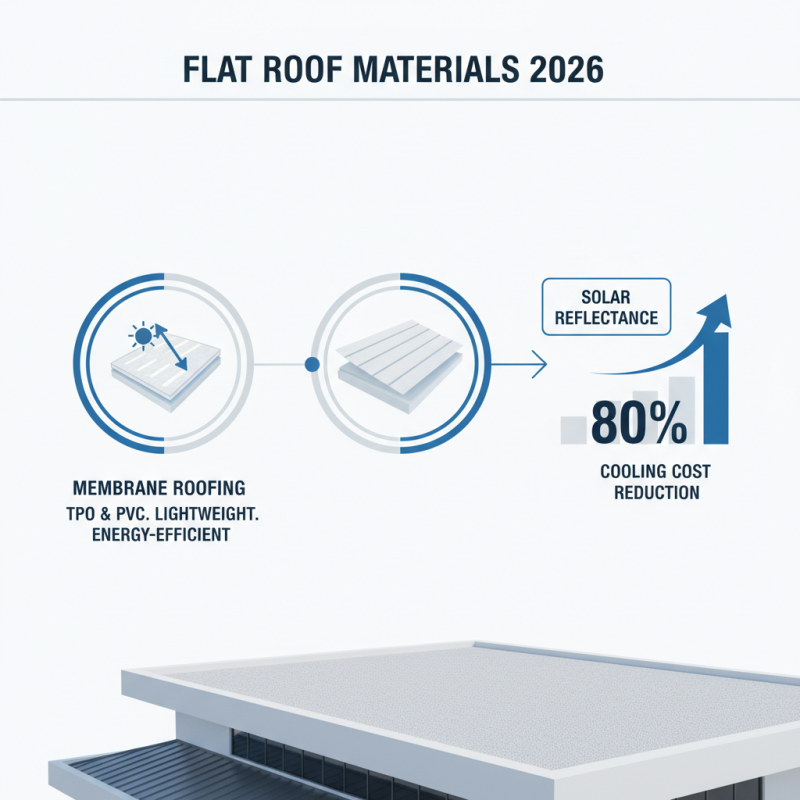
As modern architecture evolves, flat roof materials play a crucial role. In 2026, several options stand out for their functionality and aesthetic appeal. Membrane roofing, such as TPO and PVC, is gaining popularity. These materials are lightweight and energy-efficient. Reports indicate that TPO can reflect up to 80% of solar energy, significantly reducing cooling costs.
Another rising choice is green roofing. This option supports biodiversity by creating living roofs covered with vegetation. Studies show that green roofs can improve air quality and reduce urban heat. Yet, they require proper waterproofing and maintenance to avoid leaks and failures.
**Tip:** Always consider the local climate when choosing the roof type. For areas with heavy rainfall, ensure that drainage is effective. It’s crucial to conduct periodic inspections on both membrane and green roofs. Balancing aesthetics and practicality is vital. While a modern look is appealing, long-term durability is equally important. The right choice can lead to impressive energy savings and environmental benefits.
Comparative Analysis of Durability and Maintenance of Flat Roofs
When examining flat roof materials in modern architecture, durability and maintenance stand out as critical factors. Different materials offer varying resilience against harsh weather. For example, some membranes can withstand heavy rain, but they may degrade under UV exposure. Regular inspections are essential. You might overlook small cracks, but they can lead to water damage.
Consider the maintenance frequency. Some materials require annual checks, while others need more frequent attention. If not properly maintained, a flat roof can develop issues like ponding water. This can dramatically shorten a roof's lifespan. It's vital to choose materials that align with your maintenance capabilities.
Moreover, environmental factors play a significant role. In coastal areas, salt spray can accelerate wear. In regions with heavy snowfall, the weight can stress a flat roof. Choosing the right combination of durability and ease of upkeep can be daunting. It often requires careful balancing. Engaging in open dialogues with professionals helps identify optimal choices tailored to specific needs.
2026 Top Flat Roof Materials for Modern Architecture Choices
| Material |
Durability (Years) |
Maintenance Frequency (Years) |
Cost per Sq Ft ($) |
Energy Efficiency Rating |
| EPDM Rubber |
20 |
15 |
4.00 |
Good |
| TPO (Thermoplastic Polyolefin) |
25 |
10 |
5.50 |
Excellent |
| PVC (Polyvinyl Chloride) |
30 |
8 |
6.00 |
Very Good |
| Built-Up Roof (BUR) |
20 |
5 |
3.50 |
Moderate |
| Spray Foam |
20 |
10 |
5.00 |
Excellent |
Innovative Technologies Enhancing Flat Roof Performance
Innovative technologies are transforming flat roofs in today's modern architecture. These advancements enhance both performance and sustainability. For example, reflective membranes are becoming popular. They help reduce energy costs by deflecting sunlight. But how effective are they in extreme weather? This remains a topic for ongoing research.
Thermal insulation now uses advanced materials to improve energy efficiency. These materials can significantly lessen heat loss. However, they can be costly to install. Homeowners often face tough decisions about budget versus performance. Additionally, the longevity of these materials can vary. Are they worth the investment? Time will tell.
Green roofs are gaining attention, too. They provide natural insulation and help manage stormwater. But maintaining plant life can be challenging. Not all plants thrive in flat roof environments. This raises questions about the practicality of green roofs. Developers must weigh aesthetics against functionality. The balance between innovation and usability is delicate.