What is the Process to Install Solar Panels on Roof?
Installing solar panels on your roof can significantly reduce energy costs. According to Mark Turner, a solar energy expert, “Proper installation is crucial for optimal performance.” This highlights the importance of understanding the process before diving in.
The journey to install solar panels on your roof begins with a thorough assessment of your home. A simple roof inspection is often overlooked but essential. Structural integrity must be considered. Additionally, potential shading from nearby trees can impact efficiency. It’s not merely about placing panels; planning is key.
After the assessment, choosing the right materials is vital. Quality panels and inverters can make a substantial difference. Many people struggle with this decision, often rushing into choices without enough research. Each small mistake can lead to greater issues down the line. Remember, taking your time ensures a successful installation to harness solar energy effectively.
Understanding the Basics of Solar Panel Installation on Roofs
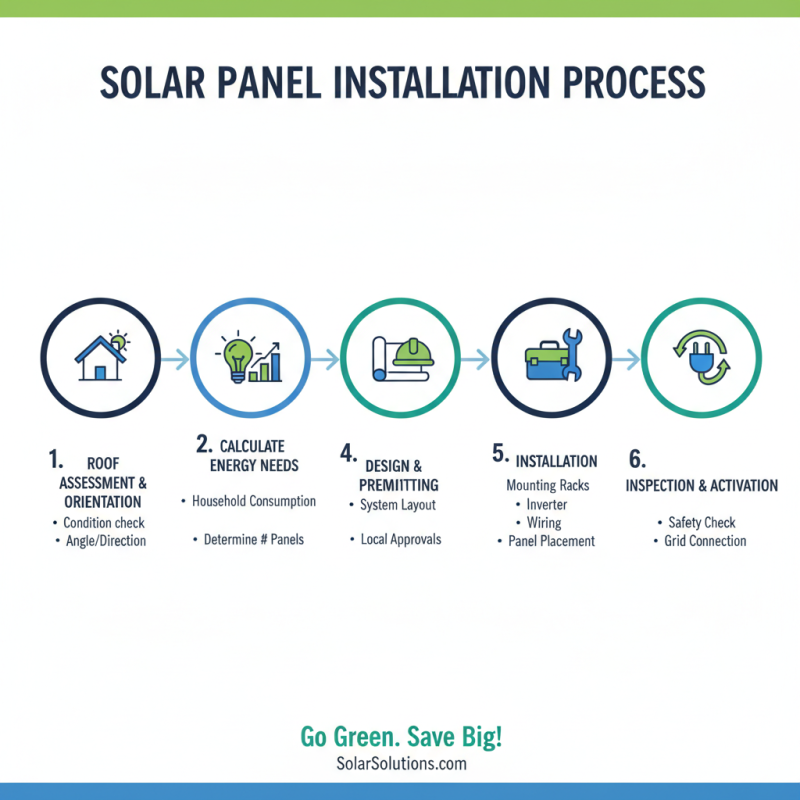
Installing solar panels on a roof is a multi-step process that requires careful planning. The first step involves assessing the roof's condition and orientation. A structurally sound and well-angled roof can maximize sunlight exposure. Next, it's important to calculate the energy needs based on household consumption. This helps determine the number of panels required.
Once the basics are established, the installation can begin. Mounting hardware is typically fixed to the roof, providing a stable base for the panels. Professionals usually handle electrical connections. Safety is crucial during this phase. Improper installation can lead to potential issues like leaks or system failure. It's worth reflecting on the long-term implications of these decisions.
After installation, routine maintenance is essential. Cleaning panels and checking wiring should not be overlooked. Neglecting these tasks may reduce efficiency. Homeowners might also consider local regulations and incentives. These factors influence both cost and benefits. Ultimately, every aspect of this process holds potential learning opportunities.
Assessing Your Roof's Suitability for Solar Panel Installation
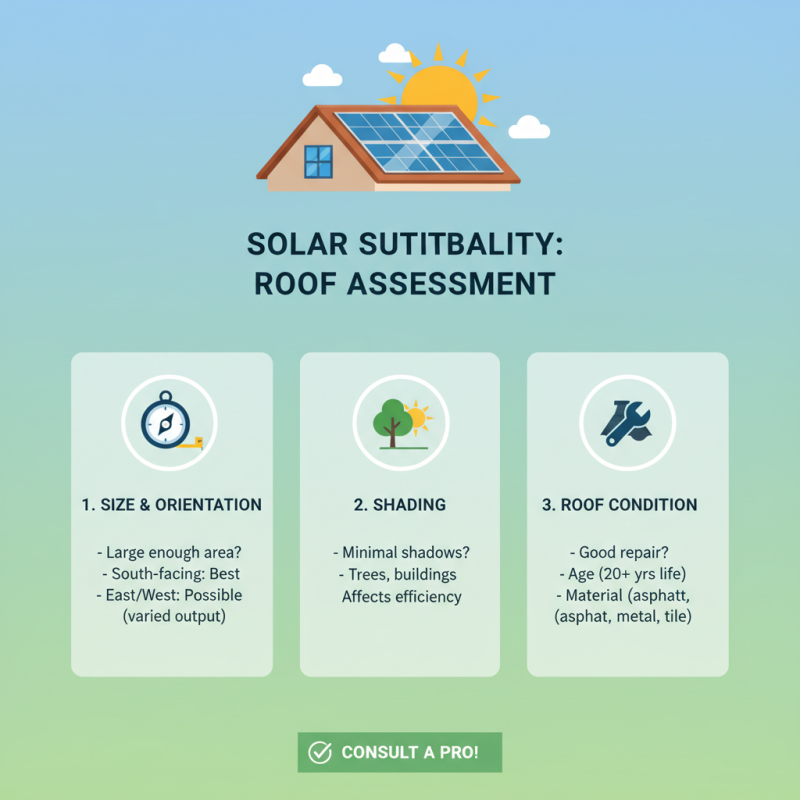
Assessing your roof's suitability for solar panel installation is critical. Start by evaluating its size and orientation. A south-facing roof often captures the most sunlight. But what if your roof faces east or west? It may still work, though energy output might vary. Consider shading from trees or nearby buildings. Even a little shadow can reduce efficiency.
Next, check the roof's condition. Older roofs might need repairs before installation. Leaks or weak spots can lead to bigger issues later. If your roof is too steep or has multiple angles, installation can become complicated. Some homeowners overlook these factors. It's important to get a professional opinion.
Lastly, evaluate local regulations and aesthetics. Some neighborhoods have strict guidelines for solar panels. Also, think about how they will look on your home. Not all roofs are ideal for solar panels. It's okay if yours isn't. There are other renewable options to consider.
Preparing for Installation: Permits and Site Assessments
Preparing for the installation of solar panels involves several crucial steps. One major aspect is obtaining the necessary permits. These permits ensure that the installation complies with local building codes and regulations. Without the right permissions, the project could face delays or even penalties. It's vital to check with local authorities regarding the specific requirements.
Site assessment is another key area to focus on. Evaluating your roof's condition is essential before installation. Look for any damages or structural issues that need repair. This step can prevent complications during installation. Additionally, assessing sunlight exposure is important. If your roof is shaded by trees or other buildings, the solar panels may not perform efficiently.
Some homeowners overlook these details. They focus mainly on the panels themselves. However, a successful installation hinges on proper preparation. Engaging professionals for site assessments can be beneficial. They can provide insights into potential obstacles and suggest optimal panel placement. Investing time in these preparations can lead to better performance and longevity of your solar energy system.
Solar Panel Installation Process Overview
The Step-by-Step Installation Process for Solar Panels
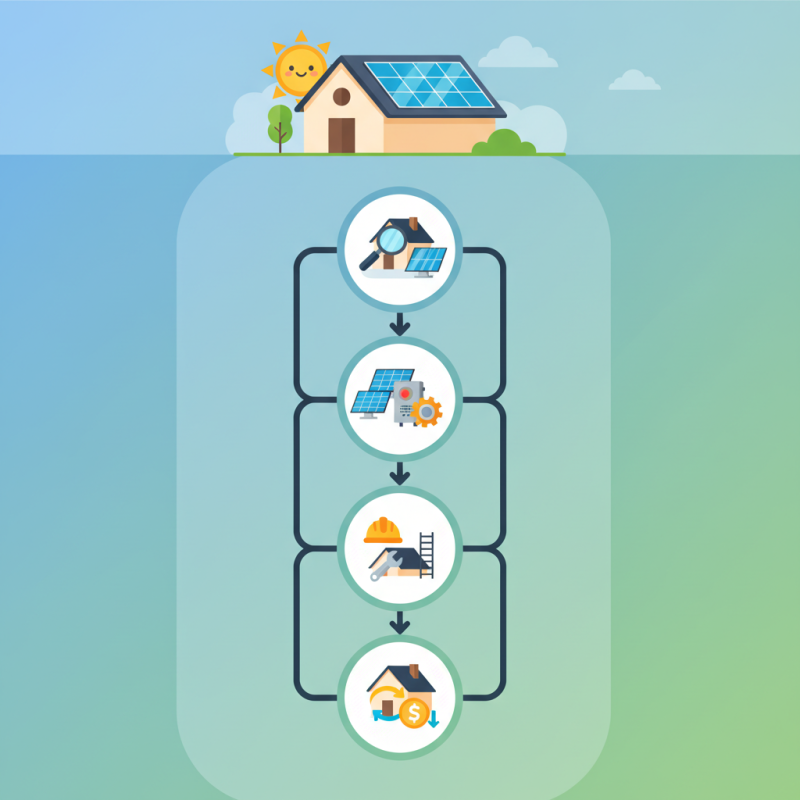
Installing solar panels on your roof requires careful planning and execution. The process generally starts with a site assessment. Professionals evaluate your roof's structure, shading, and orientation. According to the National Renewable Energy Laboratory (NREL), a roof's pitch and size play significant roles in solar energy production. A well-angled roof can increase efficiency by up to 20%.
Next comes the design phase. Experienced installers create a system tailored to your home’s energy needs. This involves selecting panel types and determining the best layout. A report from the Solar Energy Industries Association (SEIA) highlights that proper design can significantly enhance energy output. This phase may seem straightforward, yet errors here can lead to long-term issues.
Once the design is approved, permitting takes place. Local regulations vary, which can delay installation. The complexity of this step often requires patience, as meeting compliance can be frustrating. After permits are secured, the installation begins, usually within a single day. Installers mount the panels, connect wiring, and ensure proper system functionality. However, even after installation, homeowners must remain vigilant about maintenance and monitoring. This ongoing responsibility is crucial for optimal performance.
Finalizing Your Solar Panel System: Inspections and Connections
Finalizing your solar panel system involves several crucial steps. After installation, the first task is to schedule a thorough inspection. This ensures everything meets safety standards. Inspectors check the wiring, mounting, and overall installation quality. It’s an essential step that many homeowners overlook.
Once the inspection is complete, the next phase is connecting to the grid. This can be a bit tricky. Utility companies may require additional paperwork. Sometimes, delays occur here. You may need to be patient. After everything is approved, connection happens. Technicians will come to finalize everything.
Keep in mind that projects like this can have hiccups. Codes for installations vary by region. An unexpected issue in the installation may arise. Homeowners need to communicate openly with contractors. Being proactive can often help solve these challenges.