
The landscape of solar energy is rapidly evolving, showcasing innovative Solar Applications that transcend traditional uses. Dr. Emily Richter, a leading expert in renewable energy technologies, notes, "The future of solar lies in its ability to integrate seamlessly into our daily lives." This statement underscores the transformative potential of solar technology.
Today, applications range from solar-powered vehicles to building-integrated photovoltaic systems. These advancements offer promising solutions to energy sustainability concerns. For instance, solar panels can now be integrated into windows, enhancing urban aesthetics while providing clean energy. However, challenges remain. The efficiency of solar technology is still a topic of ongoing research and debate. Are we maximizing solar energy harnessing?
Innovative solar applications are not just about technology; they reflect a shift in societal views on energy consumption. As awareness grows, so does the investment in creative solar solutions. This trend raises questions about accessibility and affordability. How can we ensure that everyone benefits from these advancements? The journey towards an eco-friendly future is complex, layered with both promising innovations and hard realities to acknowledge.
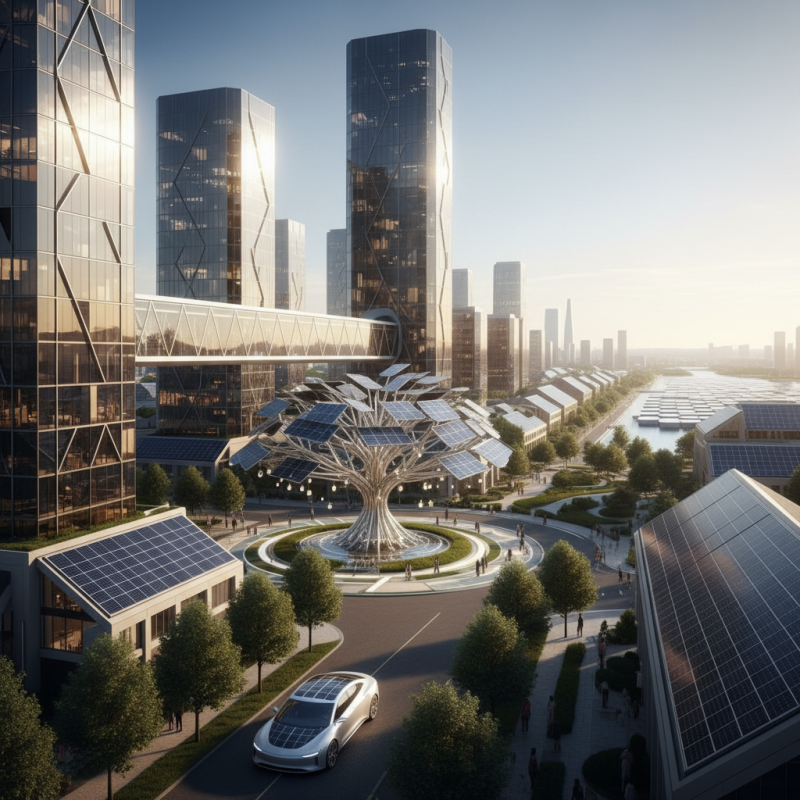
Solar technology is experiencing unprecedented innovation, transforming how we harness energy. One of the most engaging trends is the integration of solar panels with building materials. This approach not only generates energy but also enhances aesthetic appeal. Imagine a rooftop that looks like any traditional surface while also serving as a power source. This blend of functionality and design is reshaping urban landscapes.
Another intriguing trend is the rise of portable solar solutions. These applications allow users to generate energy on the go. For example, solar-powered chargers and tools are becoming popular for outdoor enthusiasts. They provide a reliable power source, enhancing usability during adventures. Convenience is key in today’s fast-paced world.
Tip: Always consider energy needs before choosing a solar application. Analyze your consumption patterns to maximize efficiency.
The concept of solar tracking systems is also gaining traction. These systems move solar panels to follow the sun, increasing energy capture. It's a complex solution that requires careful planning and installation. The technology is not perfect and may require occasional adjustments.
Tip: Investing in quality components can enhance the longevity of solar tracking systems. Research is crucial for selecting the right features.
Overall, these innovative applications highlight the potential of solar technology, but challenges remain. Constant evolution in the field ensures that users must adapt and stay informed.
Building-integrated photovoltaics (BIPV) are transforming the way we think about solar energy. These systems seamlessly blend solar technology into building materials. Imagine a modern façade with solar panels that resemble sleek glass. This not only generates energy but also enhances a building's aesthetic appeal. Architects and designers now view solar solutions as integral elements rather than add-ons.
Urban environments often lack space for traditional solar installations. BIPV addresses this by integrating solar cells into roofs, windows, and facades. This innovation is visually striking yet functional. However, the cost of BIPV can be a barrier. Many homeowners hesitate to invest without clear long-term benefits. The balance of beauty and practicality isn’t always easy to achieve.
The complexity of BIPV technology requires skilled professionals for installation and maintenance. Proper integration can lead to energy-efficient buildings that reduce carbon footprints. Yet, inconsistent training among installers may affect performance. As we push boundaries, we must consider both aesthetic and functional outcomes. Thoughtful design can lead to more sustainable urban spaces.
The rise of solar-powered transportation is reshaping our approach to mobility. As cities become more congested, innovative solutions are essential. In 2023, the global solar-powered transportation market was valued at approximately $250 billion, highlighting a significant shift towards sustainability.
Electric vehicles (EVs) integrated with solar technology can harness sunlight for on-the-go charging. Studies show that solar EVs could reduce reliance on traditional charging infrastructure by up to 30%. However, technical limitations remain. Solar panels often provide insufficient energy for long-distance travels, which can dissuade users from fully adopting this technology.
Additionally, solar buses and trains are gaining traction in urban settings. These vehicles can operate with reduced carbon emissions, enhancing air quality. Reports indicate that replacing diesel buses with solar-powered alternatives can reduce greenhouse gas emissions by over 50%. Yet, infrastructure investment is needed. Many routes lack suitable charging stations or solar energy installations, slowing progress. Addressing these gaps is crucial for the future of solar mobility.
Solar energy storage solutions have transformed how we harness and utilize solar power. These advancements make renewable energy more reliable for homes and businesses. Storing energy allows us to capture excess sunlight during the day. This stored energy can then be used during cloudy days or at night. Increased efficiency leads to reduced reliance on fossil fuels.
Battery technology plays a crucial role in energy storage. Modern lithium-ion batteries provide quick charging and longer lifespans. They can be integrated with existing solar panel systems. However, the environmental costs of battery production still raise concerns. It’s essential to reflect on the entire lifecycle of these products.
Innovative energy management systems are emerging alongside storage technologies. These systems help balance energy loads more efficiently. They can optimize energy consumption based on usage patterns and solar generation. Yet, many systems still require fine-tuning to realize their full potential. As solar applications evolve, addressing these imperfections is vital for a sustainable future.
Solar energy is transforming agriculture in remarkable ways. Innovative applications can optimize crop yield and sustainability. Farmer adaptations often include solar panels on rooftops or fields. These systems enable irrigation through solar-powered pumps. This reduces dependence on traditional energy sources.
Greenhouses are also embracing solar technology. Some structures now have transparent solar panels integrated into roofs. This design allows sunlight to nourish plants while generating energy. The efficiency of photosynthesis is coupled with energy production. However, challenges remain in maximizing energy capture without obstructing light.
Experimentation in these areas shows promise, yet gaps exist in understanding. Are all crops equally benefiting from these technologies? Farmers must evaluate costs versus benefits as innovations develop. Balancing progress with practicality is crucial for future growth in sustainable agriculture.