How to Estimate Metal Roof Cost for Your Home?
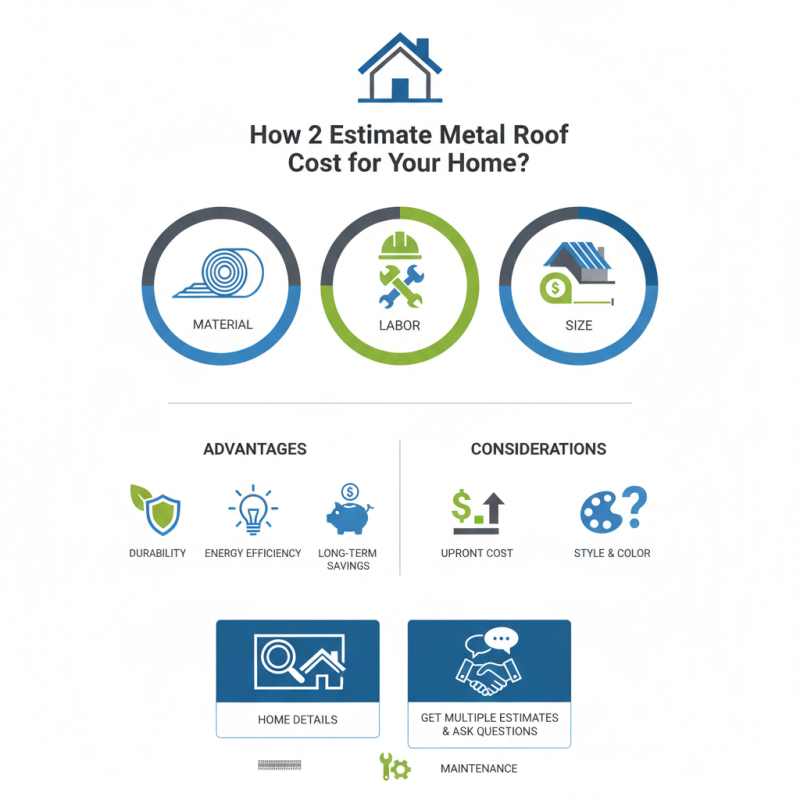
Estimating metal roof cost can seem daunting. Many homeowners feel overwhelmed by the many factors involved. The material itself, labor costs, and roof size all play vital roles.
Metal roofs have advantages, like durability and energy efficiency. However, they can also be more expensive than other roofing options. Some might not realize the long-term savings that a metal roof offers. With a variety of styles and colors available, homeowners can choose an option that enhances their property's aesthetic.
Understanding the specific details about your home can help narrow down your choices. It’s crucial to get multiple estimates from contractors. This step can clarify the overall expenses linked to your metal roof project. Prepare to ask questions and gather as much information as possible. This process often reveals things that need consideration—like potential maintenance costs down the line. Your decision should reflect both immediate needs and future plans.
Factors Influencing the Cost of Metal Roofing for Homes
When estimating the cost of metal roofing for homes, several key factors come into play. The type of metal chosen significantly affects the price. Options like steel, aluminum, and copper vary in cost and durability. Some homeowners gravitate towards lower-cost materials, but this can impact long-term performance and maintenance.
Labor costs are another crucial element. Skilled tradesmen may charge more for installation. Their expertise ensures proper installation, which impacts longevity. Additionally, roof slope and complexity can raise labor expenses. A steep roof requires more safety measures and effort to install.
Local climate also influences costs. Areas prone to severe weather may need thicker materials. This factor may increase upfront costs, yet it could provide savings over time. Homeowners might overlook this when budgeting. Each of these elements plays a role in the final figure, making it essential to consider them carefully when planning for a metal roof installation.
Types of Metal Roofing Materials and Their Price Variations
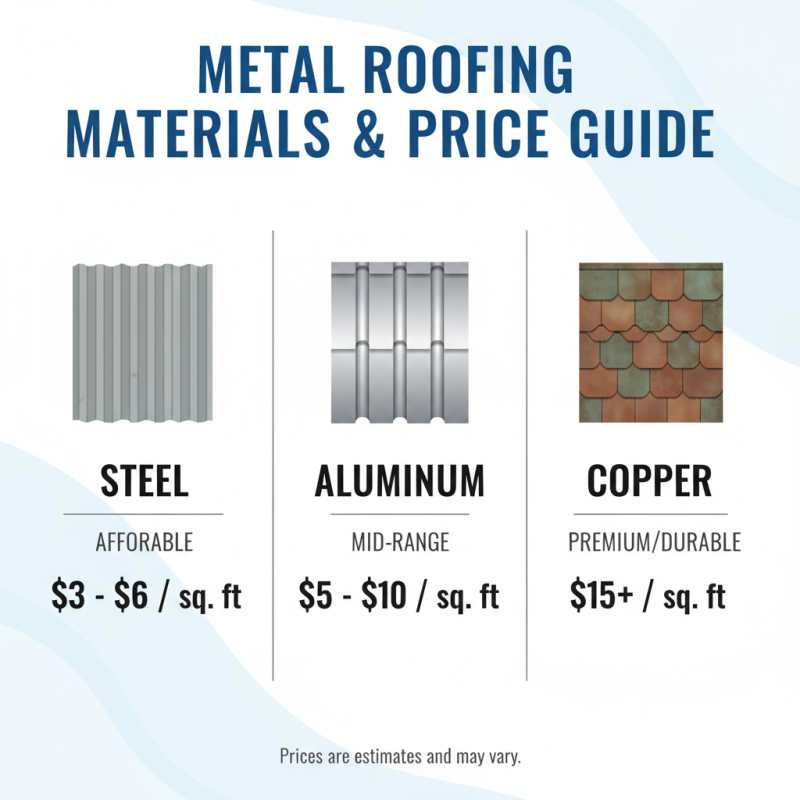
When considering metal roofing, it’s essential to understand the various types of materials available. Aluminum, steel, and copper are common choices. Steel roofing is often the most affordable, ranging from $3 to $6 per square foot. Aluminum tends to be more expensive, often priced between $5 and $10. Copper, known for its durability, can cost $15 per square foot or more.
Each material comes with its unique benefits. Aluminum is lightweight and resistant to corrosion, making it ideal for coastal areas. Steel is strong and provides excellent protection against severe weather. Copper, while costly, has a stunning aesthetic appeal that many homeowners desire. It's crucial to consider the longevity and maintenance of each option when making a decision.
Tips: Always get multiple quotes from contractors. Prices can vary widely based on local labor rates. Consider the warranty that comes with each type of metal roofing. A good warranty can save you money in the long run. Remember, investing in a quality roof increases your home’s value significantly. Also, think about the energy efficiency of the roofing material you choose. Metal roofs can reflect heat, reducing cooling costs in summer months.
Calculating Installation Costs for Metal Roofs: A Step-by-Step Guide
Calculating installation costs for metal roofs can be challenging but essential for homeowners. On average, metal roofing cost ranges from $5 to $12 per square foot, depending on materials used. Installation can add an extra $2 to $7 per square foot. Labor costs vary based on location and the complexity of the installation.
When assessing expenses, include additional factors like underlayment and removal of the old roof. Those costs might range from $1 to $2 per square foot for underlayment and an additional $1 to $4 for old roof disposal. An important detail often overlooked is the warranty. Higher quality materials might cost more upfront, but they can save money in the long run.
**Tips:** Always get multiple quotes. Contractors may have different pricing. Also, consider the long-term savings on energy. Metal roofs reflect heat, reducing cooling costs by up to 25%. Lastly, check for local regulations, as permit costs may vary widely. Understanding all these factors will lead to a more accurate estimate for your metal roof project.
Estimated Metal Roof Costs for Various Home Sizes
Additional Expenses and Considerations in Metal Roof Cost Estimation
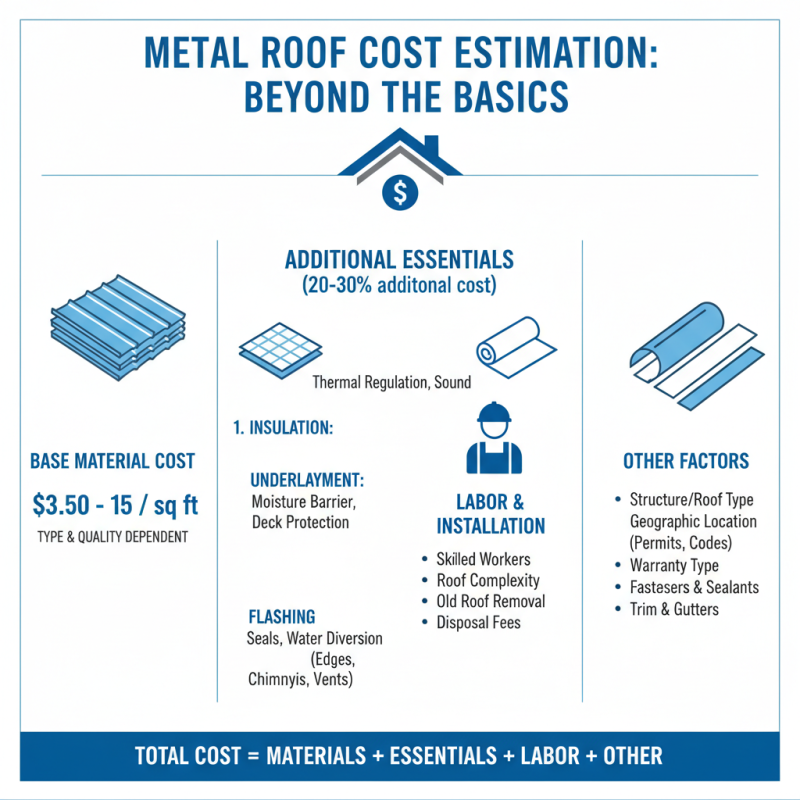
Estimating the cost of a metal roof involves various additional expenses beyond the basic materials. For instance, the average metal roofing material can range from $3.50 to $15 per square foot, depending on the type and quality. That price does not include vital components like insulation, underlayment, and flashing, which are crucial for proper installation and durability. These items can inflate the overall cost by an additional 20% to 30%.
Labor costs are another significant factor, often making up 30% to 50% of the total installation expense. Hiring experienced professionals ensures a quality job but will come with a higher price tag. In some regions, labor rates can exceed $1.50 to $3.00 per square foot. Additionally, specific features like custom trims or additional pitch and height can increase complexity and labor time, further elevating the costs.
It's essential to consider potential future expenses too. For instance, maintenance costs for a metal roof are often lower than for traditional materials, yet any repairs can be pricey if not addressed promptly. Homeowners should also factor in local building codes that could necessitate structural upgrades, adding unexpected costs to the project. Understanding these additional expenses allows for more accurate budgeting when choosing a metal roof.
Comparing Metal Roofing Costs with Other Roofing Options
When comparing metal roofing costs with other roofing options, it's essential to examine the initial investment and long-term savings. According to the Metal Roofing Alliance, homeowners can expect to pay between $100 and $150 per square foot for metal roofing. This may seem high compared to asphalt shingles, which average around $90 per square foot. However, metal roofs typically last 50 years or more with proper maintenance, while asphalt roofs often need replacement every 20 years.
Durability plays a significant role in the cost equation. Metal roofs are less prone to leaks and damage from UV exposure, which means fewer repair costs. A study by the National Association of Home Builders indicates that metal roofing can save homeowners up to 25% on their energy bills. However, some homeowners may feel discouraged by the higher upfront costs. It's critical to evaluate both initial expenses and potential savings over time.
Quality varies widely among materials. While some metal roofs are made with recycled content, others might not have the same sustainability attributes. Installation complexity can also influence costs. Homeowners should weigh these factors carefully, understanding that the cheapest option upfront may not provide the best value long term.