10 Essential Tips for Choosing Solar Power Panels for Your Home
Choosing the right solar power panels for your home can be challenging. The solar energy market is vast and filled with options. In 2023, around 4 million homes in the U.S. used solar power, a number that is expected to double by 2026. Modern panels come in various types, including monocrystalline and polycrystalline. Each has its advantages.
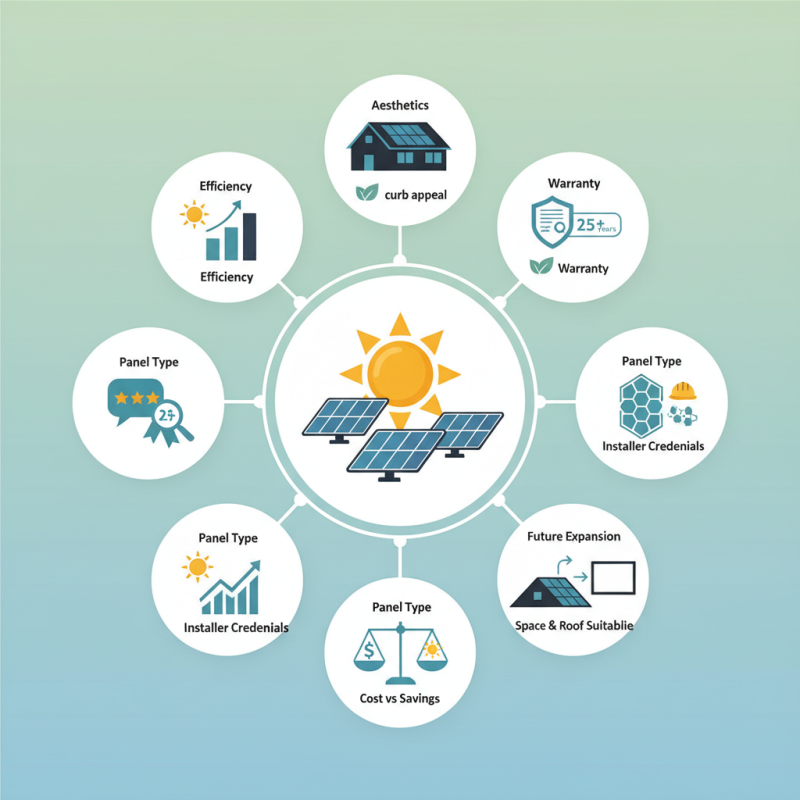
When selecting solar power panels, consider efficiency ratings. High-efficiency panels convert more sunlight into energy. A 20% efficiency rating is considered good, while some premium options go above 22%. Additionally, aesthetic aspects matter; a sleek design can enhance your home's curb appeal. Look for products with warranties of 25 years or more.
Another critical factor is the installation. Not all installers are equal. Research shows that a poorly installed system can lead to decreased performance. Therefore, checking a company's credentials is essential. Additionally, customer reviews can provide insight into potential issues. Reflecting on these elements can significantly impact your decision-making process, leading to a more informed choice in the solar panel market.
Understanding Your Energy Needs Before Choosing Solar Panels
Understanding your energy needs is crucial when selecting solar panels for your home. Begin by reviewing your electricity bills over the past year. This helps you determine your average usage. Identify peak consumption times. Are there specific months when your energy use spikes? It’s important to account for seasonal variations. Weather and lifestyle greatly impact energy needs.
Next, consider the size of your home and the number of occupants. A larger family will naturally consume more energy. Take note of appliances and devices that draw significant power. Refrigerators, heating systems, and air conditioners often require a substantial amount of electricity. If you plan to add more devices in the future, factor this in as well. It’s all about making an informed decision.
Lastly, estimate how much you wish to offset with solar energy. Aiming for 100% efficiency isn’t always realistic. You might only reduce your reliance on the grid by a percentage. This realization can lead to adjustments in your expectations. The goal is to find a balance that suits your lifestyle and budget. Make sure to revisit these aspects regularly. Changes in habits or household dynamics can shift your energy needs.
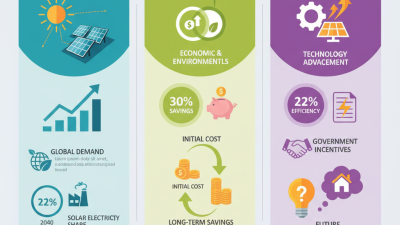
Energy Needs and Solar Panel Capacity Comparison
Evaluating Different Types of Solar Panels for Home Use
When selecting solar panels for your home, understanding the types available is crucial. Generally, you'll find three types: monocrystalline, polycrystalline, and thin-film. Monocrystalline panels are known for their high efficiency and sleek design. They use a single crystal structure, making them more effective in limited spaces. However, they often come with a higher price tag.
Polycrystalline panels are another option. They are made from multiple crystals, which makes them slightly less efficient. Still, they are often more affordable and can be a practical choice for homeowners on a budget. Thin-film panels are lightweight and flexible but tend to have lower efficiency. They can be easier to install in some setups, but not all homeowners may find them suitable for their energy needs.
Be sure to think carefully about your home’s energy requirements. Not every type of panel works perfectly for every home. Issues like local weather patterns and roof orientation can affect performance. Sometimes, choosing the cheapest option can lead to regrets later on. Always weigh the long-term benefits against initial costs.
Assessing the Roof Compatibility for Solar Panel Installation
When considering solar panel installation, roof compatibility is crucial. A roof that faces south is ideal. It maximizes sunlight exposure. However, not all roofs are suitable. Some might be too shaded by trees or buildings. Even small obstructions can reduce efficiency.
The roof's angle also matters. Flat roofs require special mounting systems. These systems can increase installation costs. Additionally, the material of your roof impacts durability. Asphalt shingles, for instance, can wear quickly under certain installations. Ensure you check the condition of your roof before installing.
Take time to measure your roof space. Are there enough square feet for the panels? A small roof may limit solar potential. Consider the lifespan of your roof. If it needs repairs soon, it’s better to do that first. An incompatible roof could lead to wasted investment in solar panels.
10 Essential Tips for Choosing Solar Power Panels for Your Home - Assessing the Roof Compatibility for Solar Panel Installation
| Aspect |
Details |
| Roof Type |
Flat, Pitched, or Sloped |
| Roof Material |
Tile, Asphalt Shingle, Metal, or Slate |
| Roof Orientation |
South, East, West, or North-facing |
| Shade Assessment |
Identify trees, buildings, and other obstructions |
| Space Availability |
Measure the area available for panels |
| Load Capacity |
Ensure the roof can support the weight of panels |
| Local Regulations |
Check zoning laws and permits required |
| Aesthetics |
Consider how panels will look on the roof |
| Installation Time |
Estimate how long installation will take |
| Maintenance Needs |
Plan for periodic cleaning and checks |
Investigating Solar Panel Efficiency Ratings and Warranties
When choosing solar power panels, efficiency ratings are crucial. A panel's efficiency indicates how much sunlight it can convert into usable energy. Higher efficiency means more energy production for your home. However, it’s not just about numbers; how the panels perform in real-world conditions matters. Not all high-efficiency panels work the same under various weather situations. Keep in mind, a reliable efficiency rating under certain conditions may lead to misunderstandings.
Warranties play a vital role in your decision too. They often reflect the manufacturer's confidence in their product. Look for a warranty that covers both performance and workmanship. A 25-year performance warranty may seem enticing, but be cautious. Some warranties offer limited coverage after a certain period. This could leave you vulnerable to higher replacement costs. It's important to ask questions and read the fine print. Understanding what is covered can save you from future regrets.
Comparing Costs and Financing Options for Solar Energy Systems
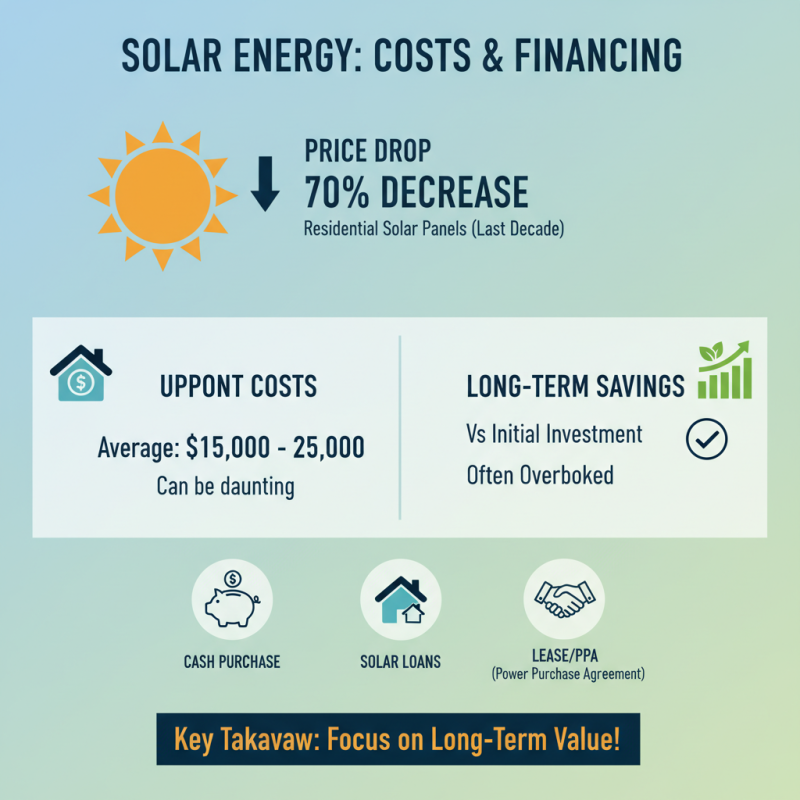
When considering solar energy systems, understanding costs and financing options is crucial. The average price for residential solar panels has dropped nearly 70% over the past decade, according to the Solar Energy Industries Association. However, upfront costs can still be daunting, with average installations ranging from $15,000 to $25,000. Homeowners often overlook long-term savings versus initial investments.
Financing options are diverse. Many installers offer loans, leases, or Power Purchase Agreements (PPAs). Each option has its pros and cons. For instance, loans may provide ownership benefits, yet they require monthly payments. Leases might seem attractive with little to no upfront cost, yet they can limit savings in the long run. Moreover, not all financing options are available in every region, which complicates decision-making.
Incentives further impact costs. Federal tax credits can reduce expenses significantly, yet these credits may change over time. Depending on local and state programs, savings may vary greatly. It is important to consider eligibility for incentives before finalizing your choice. Some homeowners might not take full advantage of available incentives, which can lead to missed opportunities and higher overall costs.