How to Choose the Right Electrofusion Reducing Sleeve
Choosing the correct Electrofusion Reducing Sleeve is essential for building a secure, leak-resistant polyethylene pipeline connection. This fitting joins pipes with different outside diameters, but selection requires more than matching two measurements. Pipe material, SDR rating, pressure class, fitting dimensions, and electrofusion compatibility must agree. A sleeve that looks suitable may still create installation problems.
In practical work, technicians often begin by checking the pipe markings and project drawings. They then confirm the manufacturer’s dimensions, fusion voltage, heating time, and cooling requirements. Clean, square pipe ends matter. So does accurate scraping. Dust, moisture, oxidation, or uneven insertion can weaken the joint. Small details matter here. A reliable supplier should provide technical data, batch information, installation instructions, and support from qualified professionals.
Field experience also shows that mistakes are not always obvious. A connection may appear smooth while remaining improperly fused inside. This is why trained installers inspect alignment, record fusion parameters, and follow approved testing procedures. Project conditions deserve attention too. Trench movement, temperature changes, limited working space, and water around the joint can affect results. We may overlook these factors when schedules become tight.
This guide explains how to compare an Electrofusion Reducing Sleeve by size, material, pressure requirements, standards, and installation conditions. It also highlights questions worth asking suppliers before purchase. No single fitting suits every pipeline. Careful verification remains the safer choice. A thoughtful selection process protects system performance, reduces rework, and supports dependable service over time.
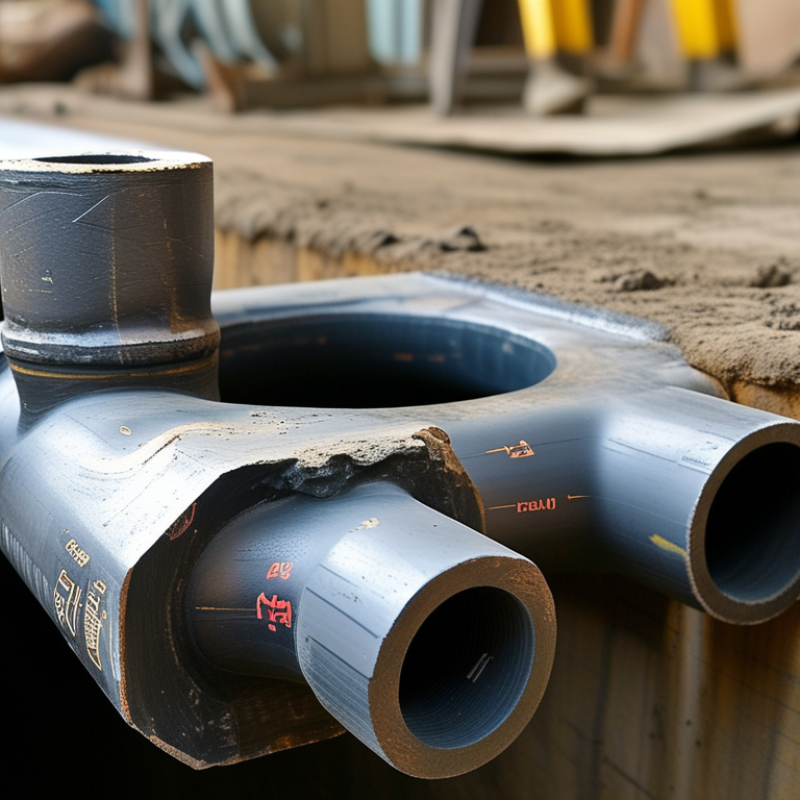
Understanding Electrofusion Reducing Sleeves and Their Applications
How to Choose the Right Electrofusion Reducing Sleeve
An electrofusion reducing sleeve connects polyethylene pipes with different outside diameters. It contains embedded heating wires that soften the pipe surfaces during fusion. After cooling, the joint forms a continuous connection. This design suits water networks, irrigation systems, industrial lines, and selected gas applications.
Choosing the correct sleeve requires more than matching two pipe sizes. Check the pipe material, pressure rating, wall thickness, SDR classification, and operating temperature. The fitting should match the pipe manufacturer’s technical requirements, even when no brand is involved. Confirm that the fusion machine supports the fitting’s voltage and heating cycle. Clean, scrape, align, and clamp every surface carefully. Small contamination can weaken the joint. Field inspections often find that poor alignment causes more failures than the sleeve itself.
Tips: Measure both pipe diameters before ordering. Confirm the required reduction clearly. Store fittings in a dry, protected area. Record fusion time, ambient temperature, and cooling duration. Avoid moving the joint too early. Trained installers should follow approved procedures and local standards. Visual checks matter, but they cannot replace pressure testing. One point is easy to overlook: cold weather changes handling conditions. In practice, even experienced crews may rush preparation when schedules become tight. That shortcut deserves a second thought.
How to Choose the Right Electrofusion Reducing Sleeve
Typical nominal outside-diameter combinations used for reducing PE pipe connections. The reduction ratio is calculated as the larger pipe OD divided by the smaller pipe OD. Always confirm dimensions, SDR compatibility, pressure rating, and the applicable ISO 4427 or EN 12201 requirements before installation.
Selection guidance: choose a sleeve whose two socket sizes exactly match the pipe outside diameters. Lower reduction ratios generally simplify alignment, while larger reductions require careful support, scraping, heating, cooling, and pressure-test procedures.
Comparing Sleeve Designs, Standards, and Manufacturer Specifications
Choosing the right electrofusion reducing sleeve requires more than matching pipe diameters. Sleeve designs vary in fusion zones, heating-wire placement, insertion depth, and pressure rating. A long fusion zone may improve alignment, while a compact body can simplify work in narrow trenches. Still, smaller fittings may provide less tolerance for scratched or ovalized pipe.
Standards create the technical baseline. ISO 4437 specifies requirements for polyethylene gas systems, while ASTM F1055 covers electrofusion-type polyethylene fittings. Check the exact edition and application range. The manufacturer’s specification should confirm SDR compatibility, melt-flow requirements, fusion voltage, heating time, cooling time, and allowable pressure. These details matter beside a wet trench, where rushed preparation can ruin an otherwise suitable sleeve.
Industry data also supports careful selection. The 2021 ASCE Infrastructure Report Card estimates that the United States replaces only about 12,000 miles of water main annually, despite needing roughly 30,000 miles. Every joint therefore deserves durable installation practice. Use calibrated equipment and record ambient temperature, batch number, fusion time, and cooling time. The Plastic Pipe Institute’s technical guidance stresses clean, scraped, properly restrained pipe surfaces. That sounds basic. It is often where failures begin. One practical weakness remains: published specifications do not always explain field tolerances clearly. Request installation records and test evidence before approving an unfamiliar design.
Selecting, Installing, and Inspecting the Reducing Sleeve Safely
How to Choose the Right Electrofusion Reducing Sleeve
Selecting the correct electrofusion reducing sleeve starts with accurate pipe measurements. Confirm outside diameters, wall thicknesses, SDR ratings, and polyethylene grades before ordering. A sleeve must match both pipe ends and the approved fusion procedure. The U.S. EPA’s 2023 Drinking Water Infrastructure Needs Survey estimates $625 billion in required investment over 20 years. Reliable fittings matter when replacement work is widespread. Check the manufacturer’s technical data, but do not trust a label alone. I have seen small measurement errors create uneven insertion depths and weak fusion zones.
Tips: Clean and scrape both pipe surfaces. Keep rain, dust, and moisture away. Mark insertion depth with a visible line. Use calibrated fusion equipment, stable alignment clamps, and the specified heating cycle. Never force a crooked joint into position. Allow complete cooling before moving the assembly.
Inspection should begin before energizing the fitting. Look for uniform scraping, clean pipe ends, correct ovality, and undamaged terminals. During fusion, record voltage, time, ambient temperature, and operator identification. ISO 21307 and ASTM F1055 provide recognized guidance for polyethylene fusion procedures and electrofusion fittings. After cooling, inspect indicator movement, sleeve alignment, exposed wire, and signs of overheating. Visual inspection is useful, but not perfect. Pressure testing remains important where the project specification requires it. The Plastics Pipe Institute notes that properly made polyethylene fusion joints can provide continuity comparable to the pipe itself. That result depends heavily on preparation, not hope.