How to Choose the Best Metal Roof Shingles for Your Home?
When selecting metal roof shingles, it's essential to consider the expert opinions in the field. Paul Anderson, a leading roofing consultant, emphasizes, "Choosing the right metal roof shingles can greatly impact your home’s durability and aesthetics." Understanding the various options available can lead to informed decisions.
Metal roof shingles come in different materials, styles, and finishes, making the selection process crucial. Homeowners must assess factors like climate, budget, and overall design. Each type of metal has distinct features and benefits. Quality matters, but so does the reputation of the manufacturer.
Additionally, it's important to acknowledge that not all choices are perfect. Some materials may fade over time, while others could become dented. Reflecting on potential drawbacks helps ensure that your final choice suits your needs. Selecting metal roof shingles demands careful thought and expertise.
Understanding the Benefits of Metal Roof Shingles for Homes
Metal roof shingles offer various benefits for homeowners. They provide durability and longevity, often lasting 40-70 years. Studies show they can withstand harsh weather conditions, including high winds and heavy snow. According to the Metal Roofing Alliance, metal roofs can reduce heat absorption and energy costs by up to 25%. This energy efficiency is not just a cost-saving measure; it also contributes to a more sustainable lifestyle.
When considering metal roof shingles, think about the style and color. Options range from polished finishes to textured designs, allowing you to match your aesthetic preferences. Metal roofs can reflect sunlight, making your home cooler in summer. Keep in mind that installation requires skilled professionals. Inadequate installation can lead to poor performance.
Tips: Always check for certifications and warranties. Some materials may be more susceptible to rust. Plan your budget effectively, as prices can vary widely. Installation costs may surprise you. Be cautious; while some companies may claim fast installation, quick work can compromise quality. Research thoroughly to ensure your investment is secure.
Factors to Consider When Selecting Metal Roof Shingles
Choosing the right metal roof shingles involves several important factors. One key aspect is the type of metal used. Common options include aluminum, steel, and copper. Each material has its unique benefits and drawbacks. For example, while aluminum is lightweight and resistant to corrosion, steel offers greater durability and strength. Consider your climate when making this choice.
The style of the shingles is another factor to evaluate. Metal shingles come in various designs that can complement your home’s architecture. Do you prefer a classic look or something more modern? The visual appeal can significantly influence your decision. Additionally, think about color selection. Darker colors may absorb heat, while lighter shades reflect sunlight, impacting your energy efficiency.
It’s essential to consider installation and long-term maintenance as well. Some shingles may require professional installation, which adds to overall costs. Regular inspections can help prevent issues later. Reflect on your ability to maintain the roof over time. Balancing aesthetics, performance, and upkeep needs can be challenging. Take your time in this decision to ensure that your choice will serve you well for years to come.
Factors to Consider When Selecting Metal Roof Shingles
Comparing Different Types of Metal Roof Shingles
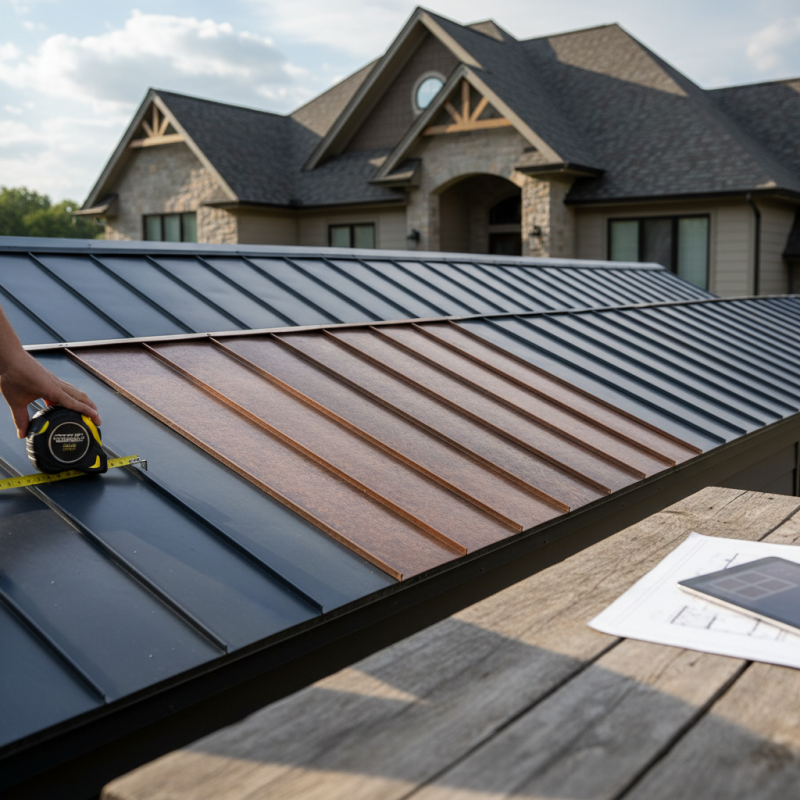
When exploring metal roof shingles, it's crucial to understand the various types available. Metal roofing is generally categorized into two main types: standing seam and metal shingles. Standing seam roofs feature vertical panels that interlock at the seams, offering superior protection against leaks. These roofs can last 50 years or more, making them a long-term investment.
On the other hand, metal shingles mimic traditional roofing materials, like asphalt or slate. They come in various styles and weights, providing aesthetic flexibility. According to industry reports, metal shingles typically weigh less than half of traditional roofing materials, reducing structural load on your home. Some studies suggest that homeowners may see up to a 25% decrease in energy costs with metal shingles due to their reflective properties.
While metal roofing offers excellent durability and energy efficiency, the initial cost can be a concern. Homeowners might need to weigh these upfront costs against potential savings on repairs and energy bills over time. It's also essential to consider local climate conditions, as extreme weather may necessitate a more robust roofing solution. Careful consideration of these factors can lead to a well-informed choice for your home.
Evaluating Cost vs. Longevity of Metal Roof Shingles
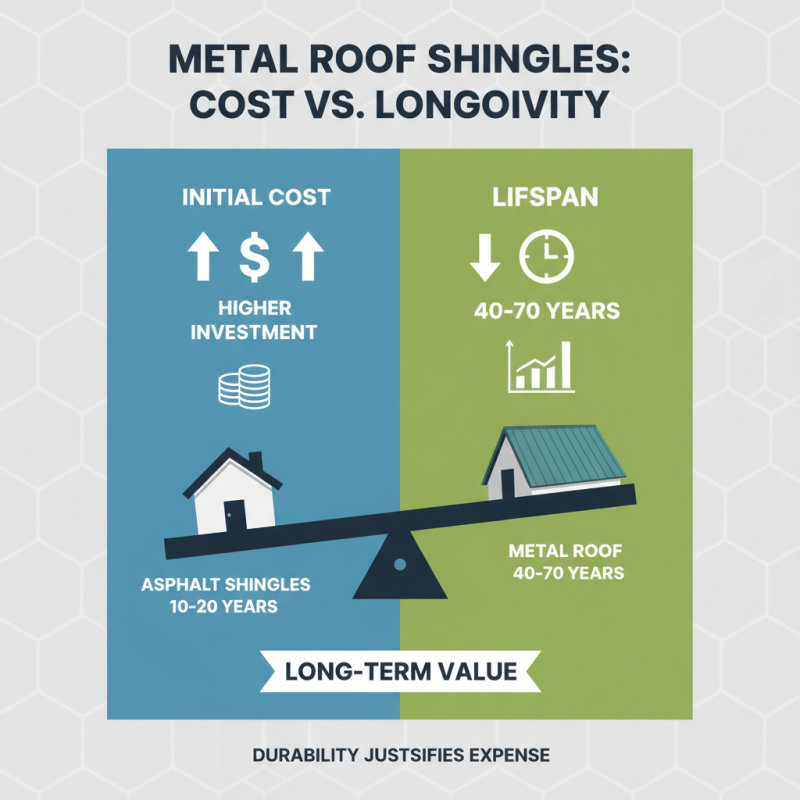
When selecting metal roof shingles, the balance between cost and longevity becomes crucial. Metal roofs are known for their durability. However, the initial investment can be significant. Understanding the long-term benefits can help justify this expense. Many homeowners overlook the fact that a metal roof can last 40 to 70 years. This lifespan far exceeds that of traditional asphalt shingles.
The upfront costs may seem daunting. Yet, consider the savings on repairs and replacements. Evaluating your budget against potential longevity is key. Higher-quality metal shingles may cost more, but they could save money in the long run. Comparing warranties is also essential. A longer warranty often indicates greater confidence in the product's longevity.
It’s tempting to opt for the cheapest option. However, this could lead to frequent repairs or even full replacements. Many factors influence longevity, including climate and installation. Be sure to consult with roofing experts. They can provide insights tailored to your situation. Investing in a quality roof is ultimately an investment in your home’s future.
Installation Requirements for Metal Roof Shingles
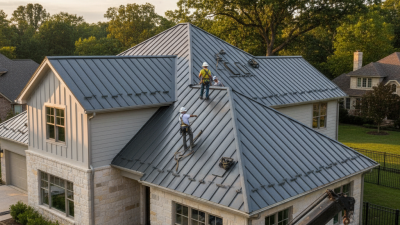
When installing metal roof shingles, several factors influence the requirements. These shingles can last up to 50 years, but proper installation is crucial for achieving this longevity. According to industry reports, about 80% of roofing failures stem from poor installation practices.
Firstly, consider the weight of the shingles. Most metal roof shingles weigh between 1.5 to 3 pounds per square foot, which can affect structural support. Consult a structural engineer if you’re unsure about your roof's capacity.
Before installation, inspect the existing roof deck. It must be clean, dry, and free of debris. Many contractors emphasize that a solid substrate ensures minimal movement, preventing wear over time. Use underlayment, which acts as a moisture barrier. The type recommended is a synthetic underlayment, which is more durable in various weather conditions.
Tip: Always check local building codes before starting. Some areas have specific requirements for metal roofing materials. Additionally, ensure proper ventilation under the roof to avoid moisture buildup, which can lead to rust and decay. Address these factors early, and your roofing project will have a much higher chance of success.