Why Choose Solar Photovoltaic Panels for Your Energy Needs?
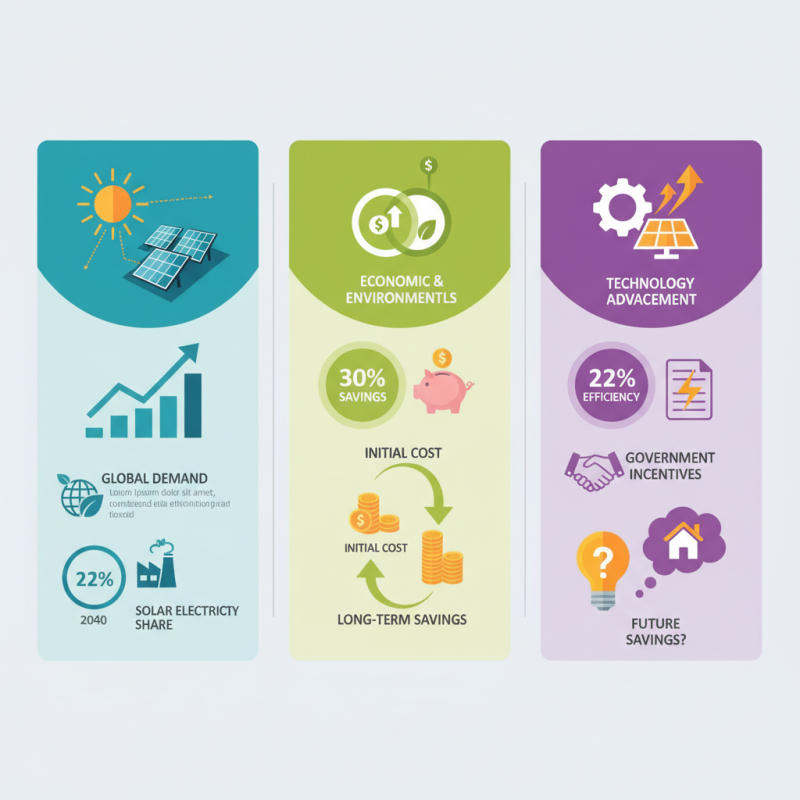
The demand for renewable energy sources is rising globally. In recent years, solar photovoltaic panels have gained significant popularity. According to the International Energy Agency (IEA), solar energy could account for 22% of the world's electricity generation by 2040. This shift reflects an urgent need for sustainable solutions amid climate change concerns.
Investing in solar photovoltaic panels offers both economic and environmental benefits. They can significantly reduce energy bills. Reports suggest that homeowners can save up to 30% on electricity costs annually. However, initial installation costs can be daunting for some. The balance between short-term investment and long-term savings requires careful consideration.
The technology behind solar photovoltaic panels is advancing rapidly. Despite imperfections in efficiency rates, many systems are now achieving up to 22% efficiency in energy conversion. The choice to adopt solar energy is also influenced by government incentives and rebates. These factors make it crucial for consumers to reflect on their energy choices and potential for future savings.
Benefits of Solar Photovoltaic Panels for Homeowners
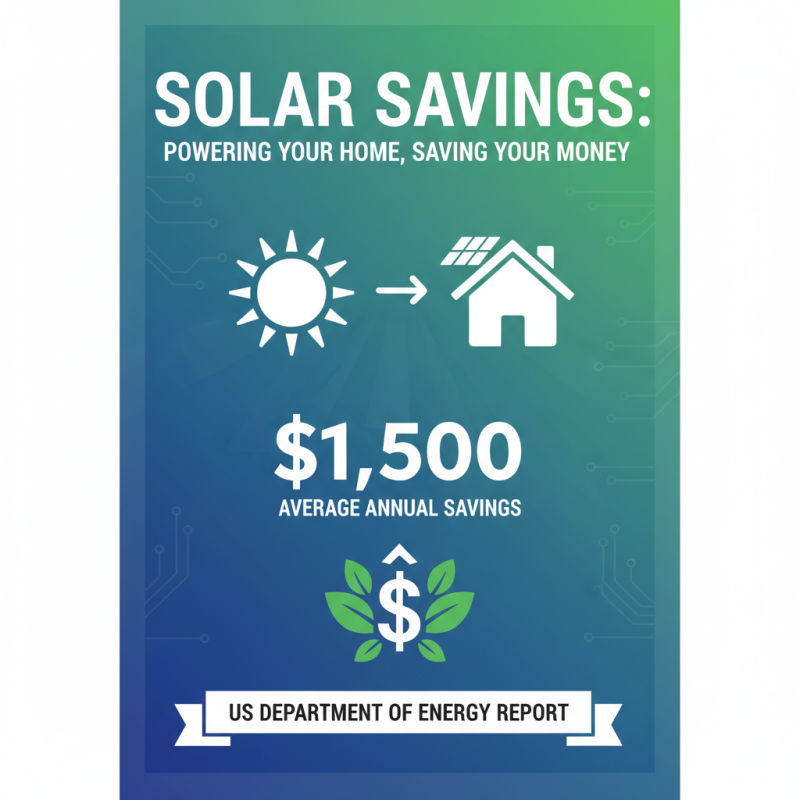
Solar photovoltaic panels are rapidly becoming a popular choice for homeowners. One of the main benefits is the significant cost savings on energy bills. According to a report by the U.S. Department of Energy, homeowners can save an average of $1,500 annually by switching to solar energy. This is a substantial amount that can free up funds for other necessities.
In addition to savings, solar panels can increase home value. A study by Zillow indicated that homes with solar panels sell for 4.1% more than those without. This means homeowners not only enjoy reduced energy costs but can also recoup their investment when selling. However, not all homes are ideal for installation. Factors such as roof orientation and shading can impact efficiency.
Solar energy is also an environmentally friendly choice. It reduces reliance on fossil fuels, which contributes to lower greenhouse gas emissions. However, it’s worth noting that the production of solar panels has its own environmental footprint. There’s a need for more sustainable manufacturing practices in the industry. Understanding these complexities can help homeowners make informed decisions about solar energy.
Understanding How Solar Photovoltaic Panels Work
Solar photovoltaic panels convert sunlight into electricity. They consist of many solar cells made from semiconductor materials. When sunlight hits these cells, it generates an electric current. This process is called the photovoltaic effect. The energy produced can power your home or business.
Understanding how these panels work is crucial. They don’t just sit on your roof and wait. Solar panels need direct sunlight to be efficient. In cloudy weather or shade, their performance decreases. Proper installation is also vital. Poor installation can lead to less energy production.
Not everyone realizes the importance of angle and orientation. The panels should face the sun for maximum absorption. Even dirt and debris can reduce efficiency. Regular cleaning may be needed. These factors highlight that while solar energy is cost-effective, it requires attention and care.
Cost Savings and Financial Incentives for Solar Energy
Exploring solar photovoltaic panels can lead to significant cost savings. Installing these panels might seem expensive initially. However, various financial incentives can offset this upfront cost. Many states offer tax credits for solar energy installations. This means you could save a considerable amount on your federal taxes. Additionally, local rebates can further reduce your expenses. Understanding these incentives is crucial.
Moreover, generating your own electricity can lower your monthly bills. With solar panels, you depend less on your utility provider. This independence is financially beneficial. Yet, the installation is a one-time cost that may take years to recuperate. Some homeowners plan to sell their property, not fully recognizing the value added by solar installations. This lack of foresight can lead to regrettable decisions.
Financing options are available, making solar panels accessible to many. Home equity loans and solar loans are popular choices. Still, diving into such financial commitments without thorough research can be risky. Interest rates and repayment terms can vary widely. It’s essential to analyze your budget and compare offers carefully. Solar energy definitely has its financial advantages, but not every option suits every individual’s needs.
Why Choose Solar Photovoltaic Panels for Your Energy Needs? - Cost Savings and Financial Incentives for Solar Energy
| Category |
Details |
Estimated Savings/Benefits |
| Initial Installation Cost |
Average cost of solar panel system |
$15,000 - $25,000 |
| Government Incentives |
Federal tax credit (ITC) for solar energy systems |
26% of installation cost |
| Monthly Energy Savings |
Savings from reduced electricity bills |
$100 - $200 |
| Payback Period |
Time to recover installation cost through savings |
5 - 7 years |
| Increase in Property Value |
Appreciation of property with solar installation |
Up to $15,000 |
| Environmental Benefits |
Reduction in carbon footprint |
Equivalent of planting 100 trees |
Environmental Impact of Switching to Solar Power
Switching to solar power has a significant environmental impact. According to the International Renewable Energy Agency (IRENA), solar energy can reduce carbon emissions by up to 80% compared to fossil fuels. This reduction is crucial in combating climate change. In fact, transitioning to solar could prevent the emission of over 2 billion tons of carbon dioxide annually. These numbers make a strong case for solar as a clean energy solution.
One important aspect to consider is the energy payback time for solar panels. Typically, it takes about 1 to 4 years for solar panels to generate the same amount of energy used in their production. This varies based on the location and type of panel. Despite this, the long-term benefits often outweigh the initial environmental costs. It’s essential to evaluate where and how panels are manufactured, as some processes can be more damaging than others.
Tips: Always look for panels with certifications. This ensures you choose products that follow environmental standards. Remember, not every solar panel is created equal. Do your research and make informed choices. Your decision matters. A switch to solar can promote a cleaner, healthier planet, but awareness of the entire lifecycle is key.
Factors to Consider When Choosing Solar Photovoltaic Systems
When considering solar photovoltaic systems, several factors come into play. First, evaluate your energy needs. How much energy do you consume daily? A thorough analysis helps to determine the capacity of the solar panels you require. This step is crucial. Many people underestimate their energy consumption. As a result, they may select an inadequate system.
Installation location also matters. Is your roof shaded by trees or taller buildings? If yes, your panel efficiency could suffer. You want unobstructed access to sunlight for optimal performance. Before installation, observe how sunlight moves across your property during the day. This simple observation can save you from future regrets.
**Tips:** Always consult with professionals. They can assess your site effectively. Additionally, consider local regulations or zoning laws that could impact your installation.
Lastly, think about the durability of the panels. Not all panels are created equal. Research common issues reported by users and weigh their durability. Solar systems are an investment, and it’s vital to choose wisely. In the end, being informed helps ensure your energy needs are met responsibly.