How to Choose a 7kw Ev Car Charger at the 2026 Canton Fair?
As the demand for electric vehicles (EVs) continues to rise, the need for efficient charging solutions is more critical than ever. The market for chargers, particularly the 7kw Ev Car Charger, is expanding rapidly. According to recent industry reports, the global electric vehicle charging market is projected to reach over $40 billion by 2026. This growth presents significant opportunities for buyers at the upcoming 2026 Canton Fair, especially with the introduction of advanced technologies like AI for vendor selection and navigation.
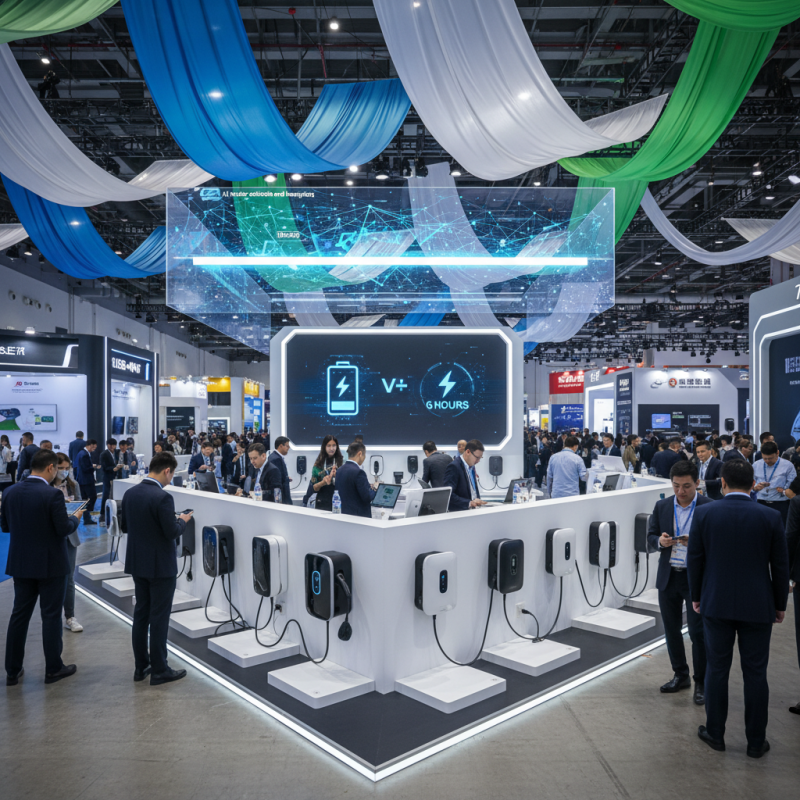
Buyers attending the fair will be able to access a vast array of suppliers, showcasing the latest innovations in EV chargers. The 7kw EV Car Charger, a popular choice among consumers, stands out for its balance of performance and efficiency. This model can typically provide a full charge in less than six hours for most EVs. Notably, ensuring that a supplier holds relevant certifications, such as ISO and CE, is essential to guarantee quality.
However, with numerous options available, this can be overwhelming. Perhaps the construction of sleek marketing and the abundance of features might distract buyers from essential specifications. It's vital to differentiate between genuine value and flashy add-ons. Making informed decisions at the fair could be pivotal for successful purchases.
Benefits of Using a 7kW EV Car Charger for Home Charging
Choosing a 7kW EV car charger for home use can enhance your daily convenience. With a 7kW charger, you can recharge your electric vehicle efficiently overnight. This means waking up to a fully charged car every morning. Home charging saves time compared to public stations. You don’t need to plan your trips around charging stops.
Using a 7kW charger at home comes with many benefits. For example, it can reduce energy costs during off-peak hours. Many households have lower electricity rates during the night. This can lead to considerable savings over time. Additionally, a home charger can increase your property's value. More buyers are looking for homes that support electric vehicles.
However, there are common pitfalls to avoid. Not every electrical system is ready for a 7kW charger. You may need a professional assessment of your home’s electrical capacity. Installation costs can also add up. It’s essential to consider these factors before making a purchase. Planning ahead can save you from unnecessary headaches later on.
Key Specifications to Consider When Choosing a 7kW Charger
When purchasing a 7kW EV car charger, several key specifications should be on your radar. Start with the charging time. A 7kW charger typically offers a good balance between speed and efficiency. However, remember that actual charging time also depends on your vehicle's onboard charger. Some vehicles may take longer to charge, which can be frustrating.
Next, look at the connector type. There are various charging standards. Make sure the charger matches your vehicle's specifications. Using an incompatible charger may lead to disappointment or unnecessary complications. Another aspect to consider is the installation requirements. Check if modifications to your home’s electrical system are needed. This could add to your costs.
Monitoring features matter as well. Some chargers come with smart technology. These can track energy usage or schedule charging times. However, not all smart features are reliable. Occasionally, users report connectivity issues. Make sure to weigh the benefits against potential pitfalls. Choose a charger that aligns with your specific needs and situation.
Charging Speed Comparison of 7kW EV Car Chargers
This chart illustrates the charging speed of different types of 7kW EV car chargers. While home and public chargers offer similar speeds, work chargers can be slightly lower, and fast chargers provide significantly higher power, making them ideal for quick charging needs.
Market Trends for EV Chargers: Insights from the 2026 Canton Fair
As the 2026 Canton Fair approaches, the electric vehicle (EV) charger market shows promising growth. According to a recent report from the International Energy Agency (IEA), the global EV charger market is expected to grow at a CAGR of 25%, reaching an estimated value of $40 billion by 2030. The demand for 7kW chargers, in particular, is significant. These chargers offer a balanced mix of efficiency and cost-effectiveness for home and commercial use.
However, a challenge remains. Many potential buyers struggle to choose the right charger among various options. The increasing diversity in designs and functionalities, like smart charging features and compatibility with different EV models, adds complexity. Reports suggest that nearly 30% of users express confusion about charger specifications, indicating a need for better consumer education. The fair will feature innovations, but buyers risk choosing unsuitable products without understanding their own needs.
Additionally, market dynamics are shifting. The surge in renewable energy integration means that EV chargers must also adapt. The 2026 Canton Fair is set to showcase sustainable technologies, yet some manufacturers may prioritize features over efficiency. This misalignment could lead to expensive challenges for consumers. Buyers should critically evaluate offerings and reflect on long-term costs versus initial investments to avoid making hasty decisions.
Comparison of Charger Brands and Their Performance Metrics
When selecting a 7kw EV car charger at the 2026 Canton Fair, consider various brands and their performance metrics. Each manufacturer offers distinct features that can significantly impact charging efficiency. Pay attention to charging speed, compatibility, and build quality. Some chargers may take longer to charge, while others boast rapid performance. It’s crucial to analyze these specifications carefully.
The user experience matters too. Look for chargers with user-friendly interfaces and smart functionalities. However, not all features are necessary for everyone. Some may find added complexity unnecessary. Additionally, customer support can vary among brands. Poor after-sales service can lead to frustration during installation or troubleshooting.
Pricing is also a critical factor. While some chargers come with a higher price tag, their long-term reliability may justify the cost. Explore warranty options, as a solid warranty can indicate manufacturer confidence. Ultimately, reflect on your priorities. A charger might excel in certain metrics but fail in others. Consider what aspects are non-negotiable for your needs.
Future-Proofing Your EV Charger: Compatibility with Upcoming EV Models
As electric vehicle (EV) technology evolves, selecting a 7kw EV car charger becomes crucial. Amidst rising EV adoption, future-proofing chargers is vital for compatibility with upcoming models. Industry reports indicate that by 2026, EV sales may reach 30 million units annually. This stark trend emphasizes the need for chargers that can handle various vehicle types and charging standards.
When choosing a charger, consider its adaptability. Many new EVs support fast-charging protocols. For instance, chargers compatible with CCS and CHAdeMO standards will be essential. Current data shows that 75% of new models may support multiple charging interfaces. Ensuring your charger supports these will enhance usability across future EVs. However, it’s also essential to reflect on potential gaps in current models.
Not all chargers offer the same efficiency. Some may underperform, causing longer charging times or compatibility issues. Emerging technologies, like wireless charging, may also disrupt traditional charging methods. Those investing in chargers must stay informed about such shifts and assess products’ longevity. By focusing on compatibility and future developments, you can select a 7kw EV charger that aligns with tomorrow's needs.