2026 Best Types of Steel Roofing for Global Buyers?
Choosing the right steel roofing system is rarely a simple matter of price. Global buyers must consider climate, building use, installation skills, maintenance access, and local standards. A warehouse near a tropical coastline faces salt spray, intense sunlight, and sudden storms. A home in northern Europe faces snow loads, freeze-thaw cycles, and different fire requirements.
Rob Haddock, a respected metal roofing consultant and educator, has said, “The roof is the building’s first line of defense.” That practical view guides this discussion. Standing seam steel roofing can provide clean lines and concealed fasteners for commercial buildings. Corrugated panels may offer a lower-cost option for agricultural structures and workshops. Stone-coated steel can create a traditional appearance while reducing weight. Galvanized and Galvalume-coated products also serve different durability and budget expectations.
Details matter. A buyer should inspect coating specifications, base-metal thickness, panel profiles, fastener quality, and warranty exclusions. ASTM and EN references can support comparison, but they do not replace local engineering advice. Salt exposure changes the decision. So does poor ventilation.
No ranking is perfect. A premium panel may fail when installed carelessly. A cheaper system may perform well in a mild inland climate. This article examines the best types of steel roofing for global buyers, using practical conditions rather than marketing claims. It also considers sourcing reliability, installer capability, lifecycle cost, and repair access. The strongest choice is not always the thickest panel. Sometimes, it is the system that local crews can install correctly and maintain for decades.
Steel Roofing Basics: Materials, Coatings, Profiles, and Core Benefits
2026 Best Types of Steel Roofing for Global Buyers
Steel Roofing Basics: Materials, Coatings, Profiles, and Core Benefits
Steel roofing begins with the base metal. Galvanized steel uses a zinc layer for dependable corrosion protection. Aluminum-zinc coated steel offers stronger performance in many humid environments. Stainless steel serves demanding coastal or industrial locations, but its higher cost needs careful justification. Material thickness also matters. Thin sheets may reduce shipping weight, yet they can dent more easily during installation.
Coatings provide the roof’s working skin. Metallic coatings protect exposed steel, while paint systems add color and another moisture barrier. A high-quality finish should resist ultraviolet exposure, scratches, and temperature changes. Cut edges deserve attention. They can become weak points when installers skip proper sealing or handling. Coastal buyers should check salt exposure, rainfall, and local maintenance practices before choosing a coating.
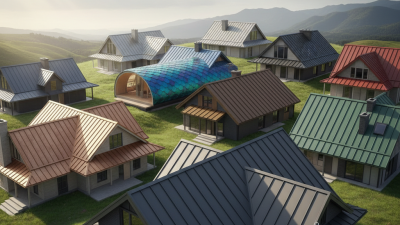
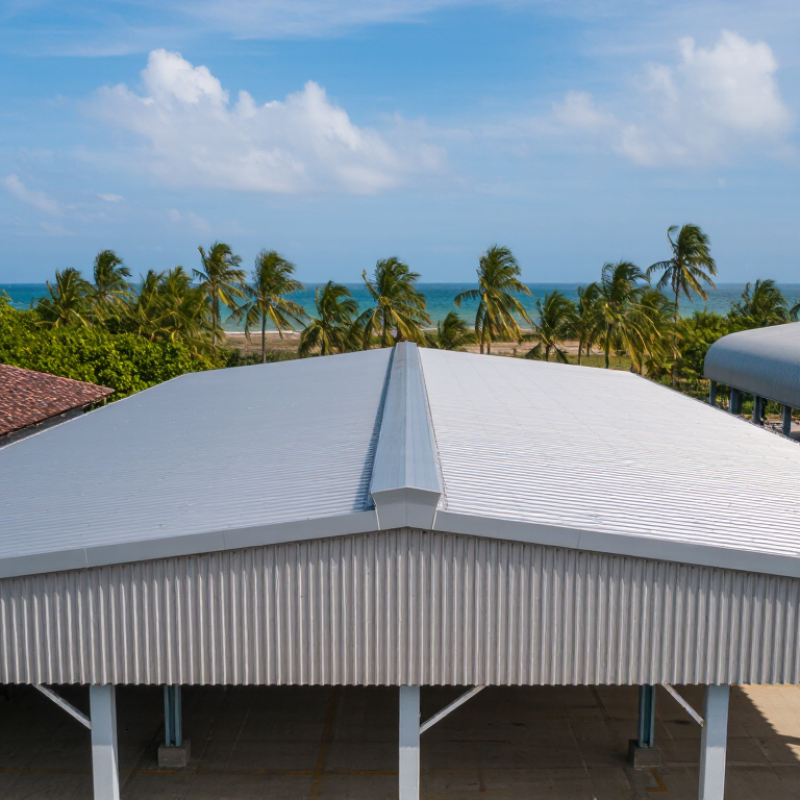
Profiles shape drainage, strength, and appearance. Corrugated sheets suit practical agricultural and commercial buildings. Standing-seam panels manage water efficiently and create clean roof lines. Tile-look profiles offer a traditional appearance with lower structural weight. Steel roofing can support wind resistance, fire performance, recyclability, and faster installation. However, no profile solves every problem. Poor ventilation may create condensation beneath a well-coated roof. Thermal movement can also loosen unsuitable fasteners. Product testing, installer skill, and local building requirements remain essential. The right choice is sometimes less attractive on paper, but more reliable above a real building.
Main Types of Steel Roofing for Different Building Requirements
Global buyers need steel roofing that matches climate, structure, installation skill, and maintenance capacity.
The right profile depends less on appearance than on roof slope, span, wind, and snow load. Corrugated steel sheets suit agricultural buildings, workshops, and budget-conscious projects. Their exposed fasteners simplify replacement, but poor sealing can invite leaks. Standing seam roofing offers clean drainage and fewer penetrations for offices, homes, and low-maintenance facilities. It performs well on long roof runs. However, installers need accurate alignment and room for thermal movement.
For homes requiring a traditional look, pressed steel tiles can provide texture and moderate weight. They need careful detailing around valleys, chimneys, and roof edges. In humid or coastal regions, metallic coating and paint quality deserve close inspection. A thicker coating is not automatically better if the substrate or forming process is weak. Insulated sandwich roof panels help factories and cold-storage buildings control heat transfer. They reduce separate insulation work, yet damaged joints can create hidden condensation.
For warehouses, trapezoidal sheets may span purlins efficiently, but structural calculations remain essential. Do not choose gauge by price alone. Local codes, fire performance, seismic demands, and wind uplift can change the specification. Supplier documents should clearly state coating thickness, steel grade, tolerances, warranties, and test results. A practical mistake is treating all climates alike. Even experienced buyers can overlook salt exposure or installer training. A small saving today may mean repainting, replacing fasteners, or disturbing operations later. Site verification is still necessary.
How to Compare Durability, Climate Performance, and Maintenance Needs
2026 Best Types of Steel Roofing for Global Buyers?
When comparing steel roofing, durability depends on more than thickness. Galvanized steel uses a zinc layer for practical corrosion protection. Aluminum-zinc coated steel often performs better in humid climates, but exposed cut edges still need careful treatment. Stainless steel suits severe coastal exposure, although its higher cost may not suit every project. Check coating mass, substrate grade, fastener compatibility, and installation quality against ASTM A653 or ASTM A792 requirements.
Climate performance deserves equal attention. The U.S. Department of Energy reports that reflective roofs can reduce peak cooling demand by
up to 15%
in warm conditions. This matters in warehouses and homes with large roof areas.
In cold regions, insulation, ventilation, and condensation control matter more than surface color. UNEP’s 2023 Global Status Report links buildings and construction to
34% of global energy demand and
37% of energy-related and process emissions.
A roof cannot solve this alone.
Claims of “50-year life” also need caution; coastal salt, industrial pollution, poor drainage, and careless cutting can shorten service life.
Tips:
Request coating test data, not only brochures.
Inspect fasteners and sealants annually.
Remove leaves from valleys.
Use lighter finishes in hot climates, but confirm local glare limits.
For coastal sites, specify extra protection and avoid mixing incompatible metals.
Maintenance plans are often imperfect, yet small repairs can prevent hidden corrosion. That practical detail is easy to underestimate.
Steel Roofing Costs, Standards, Lifespan, and Sustainability Factors
For global buyers, the best steel roofing type depends on climate, budget, and installation quality. Corrugated steel offers a practical, economical choice for warehouses and rural buildings. Standing seam panels provide cleaner lines and fewer exposed fasteners. Stone-coated steel can improve appearance, but its layered finish may increase costs. Galvanized and aluminum-zinc coated sheets resist corrosion better than untreated steel. Coastal projects need stronger protection.
Costs include panels, coatings, insulation, transport, labor, and maintenance. A low quote may hide thin gauges or weak fasteners. Request thickness, coating mass, wind-load data, and test certificates. Check relevant ASTM, EN, or ISO requirements, based on the project location. Standards are not interchangeable. Local approval still matters. Lifespans commonly range from 30 to 70 years, but salt, standing water, and poor ventilation can shorten them sharply. This estimate is not guaranteed.
Tips: Compare complete roof systems, not sheet prices alone. Inspect sample edges for coating coverage. Confirm recyclable steel content and whether old panels can enter a local recycling stream. Lighter sheets may reduce transport emissions, yet replacing them early creates more waste. I have seen attractive specifications fail because installers mixed incompatible screws and washers. That small mistake caused early rust. A written maintenance plan, including annual fastener checks and gutter cleaning, is unglamorous but valuable. Sustainability also means choosing a roof that remains serviceable in real weather, not only one with impressive environmental claims.
How Global Buyers Can Select Suppliers and Specify the Right Roof System
Choosing the best steel roofing system in 2026 starts with the project, not the product catalogue. Global buyers should compare standing seam, corrugated sheets, trapezoidal panels, and insulated sandwich panels against local conditions. Check wind speed, snow load, seismic exposure, humidity, fire requirements, and roof slope before requesting prices. A lower-cost sheet may require stronger purlins or more maintenance.
Supplier selection needs documented evidence. Ask for steel grade, thickness tolerance, coating mass, paint system, thermal performance, and corrosion testing. Request recent mill certificates and product samples, not only digital brochures. The supplier should explain production capacity, quality-control points, packaging, shipping protection, and replacement procedures. Factory audits or independent inspections can reveal problems hidden in polished quotations. Verify compliance with applicable national codes and recognized standards, because one certificate rarely covers every market.
Specify the roof assembly in measurable terms. Include panel width, effective coverage, fastener type, seam design, insulation density, underlayment, flashing details, and drainage requirements. Define acceptable color variation and repair methods for scratches.
A good warranty must state exclusions, inspection duties, and coastal or industrial limitations. Field checks often matter more than promises. Small mistakes happen. A rushed specification can still miss condensation control or installer skill. Buyers should test a complete roof mock-up before approving mass production, especially when designs cross languages, climates, and building practices.