Top Tips for Choosing the Best EV Charger for Your Car?
As electric vehicles (EVs) gain popularity, selecting the right Ev Charger Car becomes crucial. According to a recent report by the International Energy Agency, global EV sales reached 10 million units in 2022, a 55% increase from the previous year. With this rapid growth, the demand for efficient charging solutions is higher than ever.
Choosing the best EV charger is not straightforward. Charging speed, compatibility, and installation location are vital factors. A study from BloombergNEF shows that a significant percentage of EV owners prefer home charging, which requires a suitable charger. Many users experience confusion over the various charger types available. This often leads to frustration when their chosen charger doesn't meet their needs.
It's essential to consider your driving habits. Not all chargers suit every situation. Some may need a level 2 charger for faster charging, while others might find a standard outlet sufficient. The needs can vary widely among EV owners. Taking the time to research and evaluate options can lead to a more satisfying EV experience.
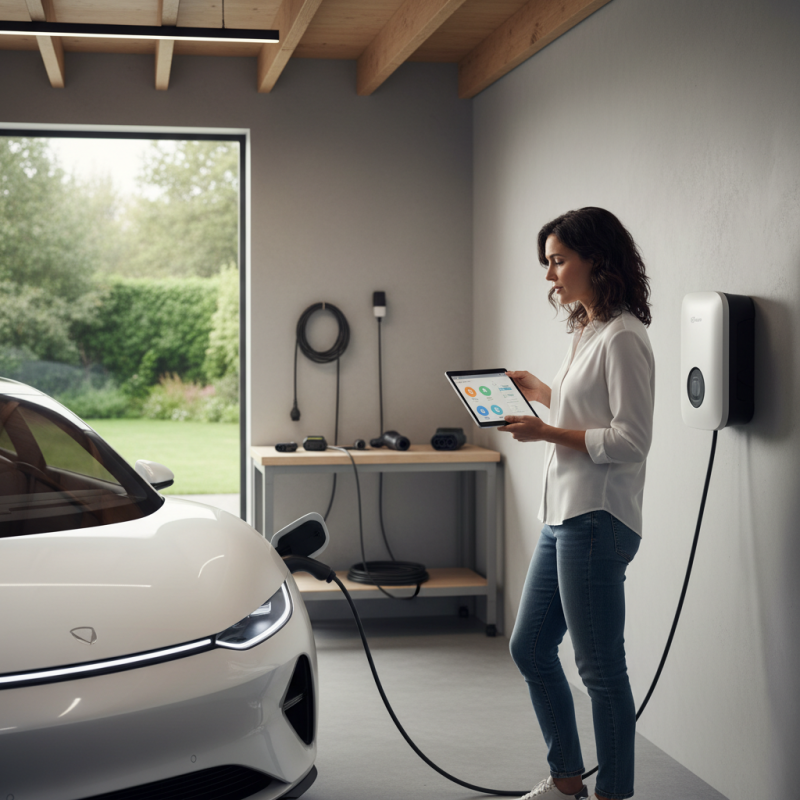
Understanding Different Types of EV Chargers Available in the Market
When choosing an EV charger, it's crucial to understand the different types available. Level 1 chargers, for instance, use a standard household outlet. They are convenient but slow, taking over 12 hours for a full charge. This is ideal for overnight charging at home but not for quick top-ups.
Level 2 chargers are more common for home installations. They require a dedicated circuit and can charge an EV in about 4 to 8 hours. Consider trying to find a spot close to your parking area. It saves time and effort when plugging in. However, they come with a higher installation cost.
DC fast chargers are the fastest option but are usually found in public charging stations. They can charge a car in about 30 minutes. But think about accessibility. Not all locations have these chargers. This could lead you to unexpected delays during your journey. Always check what type of charger suits your driving habits best, as it impacts overall convenience.
Evaluating Charger Compatibility with Your Electric Vehicle Model
When choosing an EV charger, compatibility with your electric vehicle is crucial. Each EV has specific charging requirements. For instance, the charging port type varies among models. Most electric vehicles either use Type 1 or Type 2 connectors. According to industry reports, nearly 75% of charging stations in the U.S. support these types. Yet, confusion can arise with newer models that might adopt different standards.
The charging speed is another factor to consider. Level 1 chargers provide around 4-5 miles of range per hour. In contrast, Level 2 chargers offer between 25-30 miles per hour. A study from the Electric Power Research Institute indicates that 80% of EV owners prefer Level 2 chargers for home installation due to their efficiency. However, not all EVs support fast charging capabilities. This discrepancy can lead to frustration for users who expect rapid charging but find their vehicle can only handle slower input.
Additionally, the installation process can reveal further mismatches. Not all homes are equipped to handle the electrical requirements of high-capacity chargers. It’s important to consult with a professional. Identifying your vehicle's exact charging specifications is essential to ensure a seamless experience. Overlooking these details can lead to costly renovations or dissatisfaction down the line.
Top Tips for Choosing the Best EV Charger for Your Car
Assessing Charging Speed and Power Output for Your Needs
When choosing an electric vehicle (EV) charger, understanding charging speed and power output is crucial. Charging speed is often measured in kilowatts (kW). A Level 2 charger typically offers 3.7 to 22 kW, which can charge your EV much faster than standard outlets. Reports indicate that a 240V Level 2 charger can provide about 25 miles of range per hour, making it a popular choice for home installations.
Power output also plays a significant role in charging efficiency. If you frequently embark on long trips, fast chargers with higher outputs around 50 kW can significantly reduce downtime. According to research from the EV Charging Association, nearly 70% of EV owners opt for a mix of charging options to meet diverse needs. This reflects a practical approach as not all EVs support high-speed charging.
While higher power means faster charging, it's essential to consider compatibility with your vehicle. Some older models may not support higher kW chargers. Furthermore, investing in a powerful charger may seem wise, yet it can lead to potential overkill for daily use. Balancing your charging needs with home electrical capacity is vital. Always assess your driving habits and charging infrastructure before making a decision.
Considering Installation Options and Requirements for Home Charging
When deciding on an EV charger, installation options are critical. Homeowners need to assess their electrical systems. For instance, many homes have outdated panels. Upgrading these panels can be costly. The average cost of upgrading a panel is around $1,500. Not all homes can easily accommodate the required amperage.
Location also plays a role in the installation process. Charging stations should be accessible. Placing them in a garage is ideal for protection against weather. However, not everyone has a garage. Some homeowners may charge in driveways or on streets. This might require additional permits or longer cable runs.
Additionally, understanding local regulations is essential. Many regions have specific guidelines for EV charger installations. Compliance might add to the costs, often totaling 10-15% of the installation budget. Regular updates to local laws make it challenging to stay informed. Homeowners need to do thorough research before proceeding. Inconsistent practices may arise, causing delays and unexpected expenses. The installation journey can be complex, with many decisions to make, and it’s important to reflect on these challenges.
Analyzing Costs and Incentives for EV Charger Purchase and Installation
When considering the purchase and installation of an EV charger, costs are a key factor. The initial expense includes both the charger unit and installation fees. Prices can vary widely. Installation might require electrical upgrades, adding to your costs. Homeowners often overlook this aspect. It's crucial to get multiple quotes from qualified electricians to ensure fair pricing.
Incentives can help mitigate those costs. Many regions offer rebates or tax credits. These incentives can significantly lower the overall price. However, the availability varies significantly depending on your location. Research local programs before making a decision. Some programs have specific requirements, so do your homework. These nuances can save you money and time.
It’s also essential to factor in long-term energy costs. Charging your EV at home may shift energy expenses, depending on your utility rates. This could lead to higher monthly charges if not carefully considered. Review your electric bill and understand rate changes. Think about how your driving habits align with these costs. Evaluating all these details is necessary for a wise investment.