Top 5 Benefits of Using Solar Shingles for Your Home?
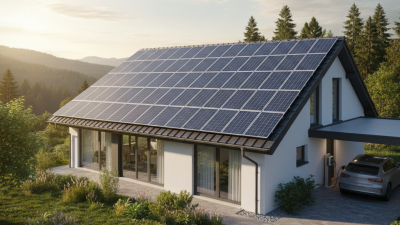
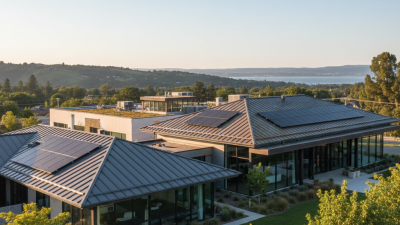
As homeowners seek sustainable options, solar shingles have become a hot topic. These innovative roofing materials provide an energy-efficient solution for modern homes. According to Dr. Emily Turner, a solar energy expert, "Solar shingles combine aesthetics with functionality, making them a wise choice for eco-conscious homeowners."
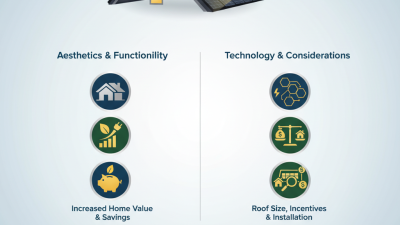
Many homeowners might wonder about the true benefits of solar shingles. Beyond just generating electricity, they offer advantages such as improving energy efficiency and enhancing home value. Moreover, solar shingles blend seamlessly with traditional roofing, reducing visual impact. However, potential buyers need to consider installation costs and long-term savings carefully.
While the appeal of solar shingles is clear, their adoption is not without challenges. Some homes may have limitations on installation based on roof orientation or local regulations. Ultimately, understanding both the benefits and drawbacks is crucial in making an informed decision about solar shingles.
Understanding Solar Shingles: How They Work
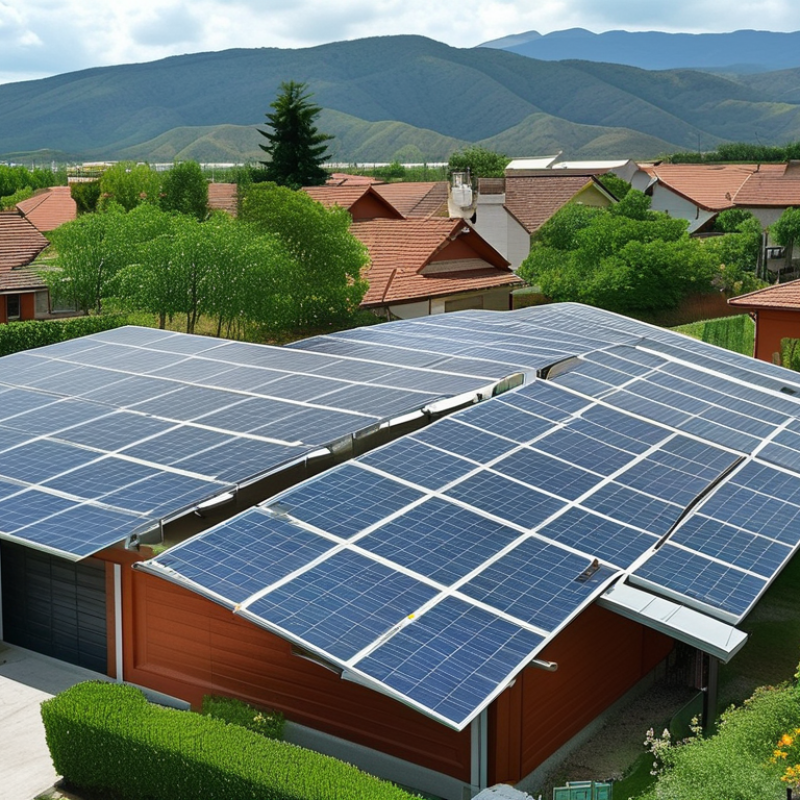
Solar shingles represent a modern approach to solar energy. They integrate seamlessly with traditional roofing materials. Understanding how they work is key to appreciating their benefits. Solar shingles are designed to convert sunlight into electricity. They use photovoltaic technology similar to conventional solar panels. However, their design allows them to blend into your home’s aesthetic.
Installation involves placing these shingles alongside standard roof shingles. This process can be complex and may require professional help. When installed correctly, they provide energy without compromising the home’s appearance. The shingles generate power, reducing electricity bills over time. However, their efficiency can vary based on location and sunlight exposure.
Cost is a significant consideration. Solar shingles can be more expensive than standard panels. Do your research or consult experts to weigh the costs and benefits. Some homeowners report challenges, like shading from trees impacting performance. It’s essential to address potential issues before installation. Understanding these aspects can lead to a more informed decision.
Top 5 Benefits of Using Solar Shingles for Your Home
| Benefit |
Details |
| Energy Efficiency |
Solar shingles convert sunlight into energy, reducing electricity bills and dependence on grid power. |
| Aesthetic Appeal |
They blend in with conventional roofing materials, enhancing the beauty of the home without bulky panels. |
| Durability |
Solar shingles are designed to withstand harsh weather conditions, offering long-term protection for your home. |
| Increase Property Value |
Homes equipped with solar energy systems typically experience a higher resale value. |
| Environmental Impact |
Using solar energy reduces carbon footprint and contributes to a sustainable environment. |
Cost-Effectiveness: Evaluating Long-Term Savings
Solar shingles offer a unique approach to harnessing solar energy while maintaining the aesthetic of your home. One key advantage is their cost-effectiveness. Initially, the investment may seem steep. However, the long-term savings can be significant. When compared to traditional roofing options plus separate solar panels, solar shingles can become more economical over time.
Homeowners who install solar shingles typically enjoy reduced electricity bills. Energy from the sun can offset your monthly utility costs. Additionally, many regions offer tax incentives and rebates. These financial perks further enhance the overall value of solar shingles. It’s important to calculate your specific savings based on local energy prices and available incentives.
While the benefits are clear, it is essential to acknowledge some drawbacks. The installation process can be complex. Some homeowners might face unexpected costs during setup. Furthermore, while shingles provide energy savings, they may not generate as much power as traditional solar panel systems. This aspect can impact your overall energy independence. Balancing these factors is crucial for making an informed decision about solar energy for your home.
Aesthetic Appeal: Enhancing Home Design with Solar Shingles
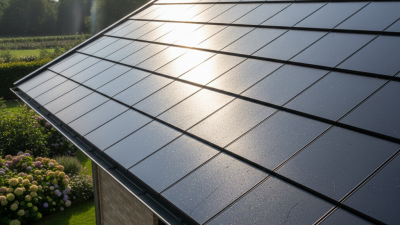
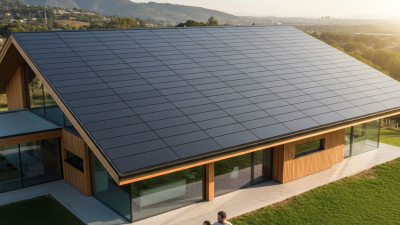
Solar shingles are not just functional; they also elevate a home’s visual appeal. Traditional solar panels often clash with a house's aesthetics, appearing bulky and intrusive. In contrast, solar shingles seamlessly integrate with roofing materials. They resemble conventional shingles, offering a sleek, modern look. This subtle design enhancement increases a home's curb appeal and market value.
Choosing solar shingles means transforming your roof into a stylish energy-producing asset. The variety of colors and textures available allows homeowners to complement their existing architecture. For example, a house with a rustic design can benefit from shingles that mimic wood or slate. However, the decision isn't always straightforward. This aesthetic beauty comes at a higher installation cost, which might not fit all budgets.
Moreover, homeowners should consider long-term performance. While solar shingles can look visually stunning, their efficiency may vary. It's essential to weigh the aesthetic benefits against potential drawbacks in energy output. Reflecting on personal priorities will help ensure that the choice of solar shingles enhances both the beauty and functionality of your home.
Top 5 Benefits of Using Solar Shingles for Your Home
Environmental Impact: Reducing Your Carbon Footprint
Using solar shingles significantly reduces your carbon footprint. This innovative technology harnesses solar energy while maintaining the aesthetic appeal of your home. Unlike traditional solar panels, shingles blend seamlessly into your roof. This design allows homeowners to contribute to a cleaner environment without compromising style.
Solar shingles capture sunlight and convert it into usable energy. This process decreases reliance on fossil fuels. As a result, fewer greenhouse gas emissions enter the atmosphere. Over time, this shift toward renewable energy sources fosters a healthier planet for future generations. Consider the long-term impact of your choice. You can lead by example in your community.
For those exploring solar shingles, here are a few tips. Evaluate your roof's orientation and shading. South-facing roofs receive more sunlight, optimizing energy production. Additionally, consult a professional for installation. Their expertise ensures efficiency and proper integration with your existing structure. Stay informed about local incentives or rebates. These benefits can ease the financial burden of adopting solar shingles.
Ease of Installation and Maintenance: What to Expect
Solar shingles are gaining popularity due to their unique blend of functionality and aesthetic appeal. One significant advantage is their ease of installation. Research indicates that solar shingles can be installed faster than traditional solar panels. For instance, a study from the National Renewable Energy Laboratory (NREL) suggests a reduction in installation time by up to 20%. This can lead to lower labor costs and quicker project completion.
Maintenance is another critical aspect. Solar shingles generally require less upkeep than their larger counterparts. A report by the Solar Energy Industries Association (SEIA) indicates that the average maintenance cost for traditional solar systems can reach up to $300 annually. In contrast, solar shingles often only need a simple visual inspection periodically. They are designed to withstand weather conditions and have a lifespan that averages about 25 years, which aligns with the roof's lifespan.
That said, there are challenges. If one shingle is damaged, it may affect performance more than a panel. Repairing individually can complicate maintenance and lead to unexpected costs. Homeowners must stay informed about potential issues. As with any solar technology, understanding the ins and outs of installation and maintenance is crucial to maximizing efficiency.