Top 10 Benefits of Solar Roof Shingles for Your Home
Solar roof shingles have emerged as an innovative solution for homeowners seeking to enhance their property. These roofing materials combine the functionality of traditional shingles with the power of solar energy. As awareness of renewable energy grows, more people opt for solar roof shingles. This choice offers both aesthetic appeal and practical benefits.
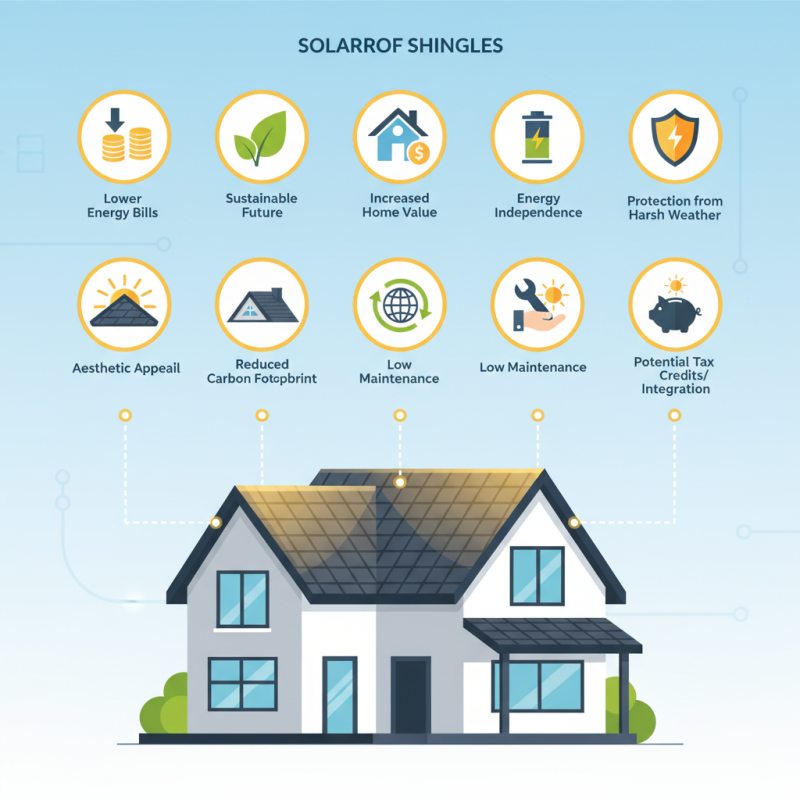
Installing solar roof shingles can significantly lower energy bills. Homeowners appreciate how these shingles absorb sunlight and convert it into electricity. Imagine the feeling of reducing monthly expenses while contributing to a sustainable future. However, there are still some initial costs and installation challenges to consider.
Incorporating solar roof shingles can increase home value. Yet, not all roof types may be suitable for this technology. It's essential for homeowners to weigh the benefits and limitations carefully. Relying solely on aesthetics or costs may overlook potential long-term savings and environmental impacts. Embracing solar roof shingles requires thoughtful decision-making for optimal results.
Benefits of Increased Energy Efficiency with Solar Roof Shingles
Solar roof shingles are a game-changer for energy efficiency in homes. They blend seamlessly with traditional roofing materials while harnessing solar energy. This innovative product converts sunlight into electricity. Homeowners benefit from lower utility bills. The shingles allow for savings over time, which is appealing.
Installing solar shingles can reduce energy consumption. But these shingles might not capture sunlight perfectly all day. Positioning and shading can play a role in their effectiveness. Homeowners should evaluate their roofs for optimal solar exposure. This evaluation process is vital yet often overlooked.
Additionally, solar shingles can boost property value. They enhance curb appeal while providing a modern touch to homes. However, upfront costs can be a concern. Invest wisely and research available incentives. Balancing immediate expenses with long-term gains is key. Each home is unique, making careful consideration essential.
Cost Savings Through Reduced Energy Bills with Solar Roofing
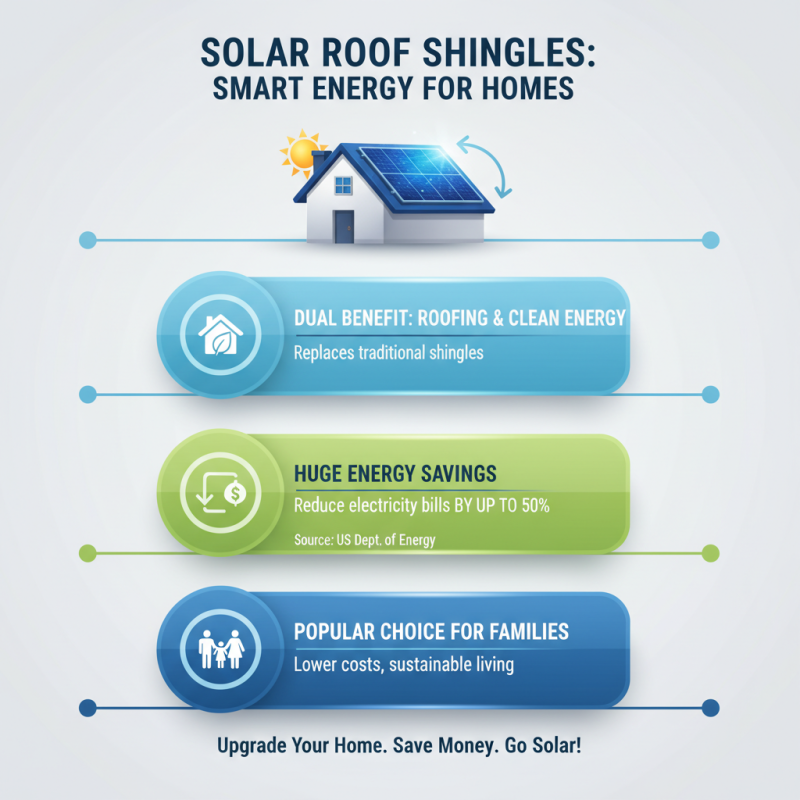
Solar roof shingles are gaining popularity among homeowners. They provide a dual benefit of roofing and energy generation. These shingles can significantly reduce energy bills, a key factor for many families. According to a report from the U.S. Department of Energy, residential solar installations can lower electricity costs by up to 50%.
Imagine an average household spending $120 on energy each month. With solar roofing, this cost could drop to around $60. This means substantial savings over time. Additionally, homeowners may qualify for tax incentives, which improve the return on investment.
However, the initial installation costs can be high. Some homeowners might hesitate due to upfront expenses. Despite this, studies show that solar roofing increases home value, often recovering installation costs when selling. Keep in mind, the effectiveness of solar shingles depends on location and weather patterns. It’s essential to analyze personal circumstances before making a decision.
Enhancing Home Value and Curb Appeal with Solar Shingles
Solar roof shingles are revolutionizing home design. They blend seamlessly with traditional roofing materials, providing an elegant look. Homeowners increasingly appreciate their dual purpose. These shingles not only protect against the elements but also generate renewable energy. This enhances energy independence for families.
Adding solar shingles can significantly boost property value. Homes with sustainable features often attract more buyers. Potential homeowners tend to seek energy-efficient options. The sleek appearance of solar shingles can increase curb appeal. A home adorned with modern, stylish shingles stands out on the block.
However, initial installation costs can be high. Some homeowners hesitate due to the investment. Yet, the long-term savings on energy bills may offset these costs. Additionally, ongoing maintenance is essential. Homeowners should remain aware of potential issues. Regular inspections can ensure optimal performance and durability. Embracing solar shingles requires commitment but offers lasting rewards.
Environmental Impact and Sustainability of Solar Roof Shingles
Solar roof shingles have become a popular choice for environmentally conscious homeowners. These innovative building materials harness solar energy while serving as a roof. They blend seamlessly with traditional roofing, maintaining aesthetics. By choosing solar shingles, you reduce reliance on fossil fuels, which is crucial for planet sustainability.
The environmental impact of solar shingles is significant. They generate clean energy, lowering greenhouse gas emissions. This shift to renewable energy helps combat climate change. Additionally, their production process has improved over the years, with manufacturers focusing on eco-friendly materials. However, it is essential to consider the energy payback time of these shingles. Sometimes, the energy required to produce them can be higher than the energy they generate during their lifespan.
When considering solar shingles, here are some tips. Assess your roof's orientation and available sunlight. This will help in maximizing energy generation. Also, research local incentives for renewable energy; they might offset installation costs. Lastly, consult with multiple professionals to understand the installation process better. It is important to weigh the benefits against potential downsides. Sustainability requires careful consideration and analysis.
Low Maintenance Requirements and Longevity of Solar Roofing Systems
Solar roof shingles offer a remarkable solution for modern homeowners. They combine aesthetics with functionality, providing energy savings and a clean look. One major perk is their low maintenance requirements. Unlike traditional roofing materials, solar shingles need minimal upkeep. You won't find yourself climbing a ladder or arranging frequent repairs. A simple rinse with water can often do the trick.
Longevity is another significant advantage. Most solar roof shingles can last for 25 years or more. This durability can pay off over time. Many homeowners are surprised by how little attention these shingles require. It's not uncommon for some to forget they even have them installed. However, some may worry about potential repairs, which can lead to costly surprises.
Weather elements can impact their performance, albeit rarely. Regular inspections are recommended. It’s essential to keep an eye on any debris that might accumulate. While these shingles are built to withstand various conditions, it’s wise to stay proactive. A few small actions can ensure they function well for decades. Embracing this technology can have both immediate and long-term benefits.
Top 10 Benefits of Solar Roof Shingles for Your Home
| Benefit |
Description |
Estimated Lifespan |
Maintenance Frequency |
| Energy Efficiency |
Solar roof shingles convert sunlight into energy, reducing electricity bills. |
25+ years |
Every 1-2 years |
| Low Maintenance |
Minimal upkeep is required, mainly inspections and cleaning. |
25+ years |
Annually |
| Aesthetics |
Available in various designs and colors to match home styles. |
25+ years |
Every 1-2 years |
| Environmental Impact |
Reduces carbon footprint by utilizing renewable energy. |
25+ years |
Every 1-2 years |
| Increased Home Value |
Homes with solar roofs often have higher resale values. |
25+ years |
Every 1-2 years |
| Roof Protection |
Shingles provide the standard protective qualities of a roof. |
25+ years |
Regularly, during inspections |
| Tax Incentives |
Potential federal and state tax credits available for installations. |
N/A |
N/A |
| Energy Independence |
Reduces reliance on grid energy sources, promoting self-sustainability. |
25+ years |
Every 1-2 years |
| Durability |
Designed to withstand harsh weather conditions, including hail and wind. |
25+ years |
Every 1-2 years |
| Compatibility |
Can be integrated with existing roofs without major renovations. |
25+ years |
Every 1-2 years |