Top 10 Benefits of Metal Roofing for Your Home and Business?

Metal roofing has gained immense popularity in recent years, and for good reason. According to a report by the Metal Roofing Alliance, metal roofs can last up to 70 years, outperforming traditional materials. This longevity translates to significant savings in maintenance and replacement costs. Metal roofing is not only durable, but it also offers superior weather resistance. A study by the Cool Roof Rating Council highlights that metal roofing can reflect solar energy, reducing cooling costs by up to 25%.

Homeowners and businesses are increasingly drawn to the aesthetic appeal of metal roofing. It comes in various styles and colors, allowing for customization that fits different architectural designs. However, installing a metal roof requires skilled labor to ensure its performance. Some may worry about initial costs, which can be higher than asphalt shingles. Yet, when factoring in its lifespan and energy efficiency, metal roofing becomes an attractive investment.

As the industry evolves, it faces challenges. Some consumers may still lack awareness of the benefits. Proper education and demonstration of advantages are essential. The focus should be on addressing misconceptions while showcasing the value of metal roofing. Such efforts will help encourage more people to embrace this sustainable and practical option for their homes and businesses.
Top 10 Benefits of Metal Roofing for Your Home and Business?

Advantages of Durability and Longevity in Metal Roofing

Top 10 Benefits of Metal Roofing for Your Home and Business?

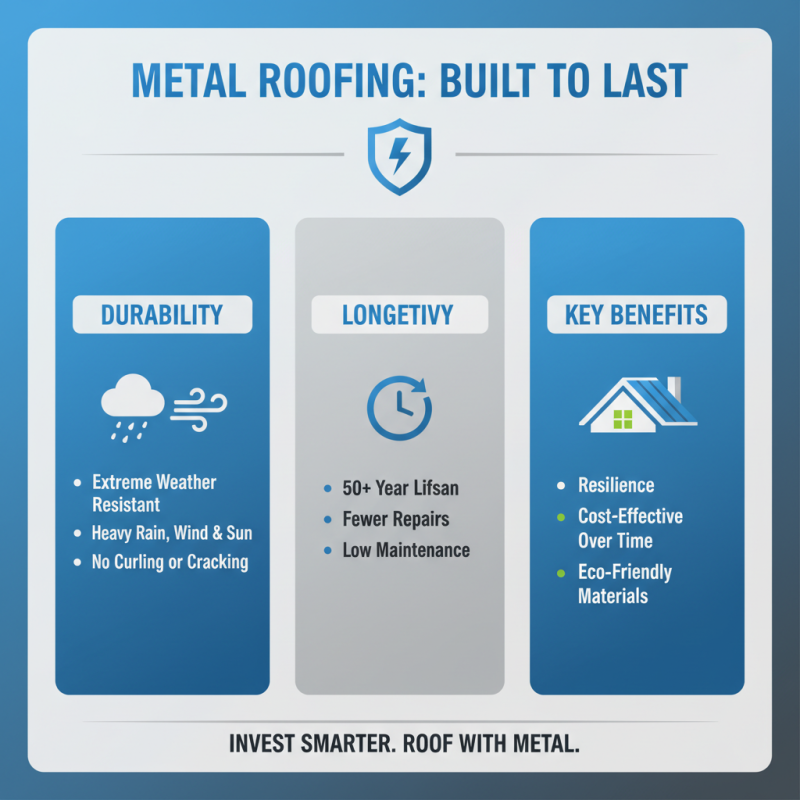
When considering roofing options, durability and longevity stand out as key factors. Metal roofing offers exceptional resilience against harsh weather conditions. Heavy rain, intense sunlight, and gale-force winds—metal roofing can handle it all. Unlike traditional shingles, which may curl or crack, metal remains intact. This toughness translates into fewer repairs over time.

Longevity is another significant advantage. A well-installed metal roof can last over 50 years with minimal maintenance. Homeowners often overlook the long-term savings associated with this material. While the initial cost may seem high, it pays off by reducing the frequency of replacements. However, not all metal roofs are created equal, and some may show signs of wear earlier than expected. It's essential to choose quality materials.

Furthermore, metal roofing helps in energy efficiency. It reflects sunlight, which lowers cooling costs in warmer months. Yet, not every property is suited for metal roofing. Home design, climate, and local regulations can influence the decision. Therefore, each case should be assessed individually for the best outcomes.
Energy Efficiency: How Metal Roofing Saves on Utility Bills

Metal roofing has become a popular choice for many homeowners and businesses. One of its standout benefits is energy efficiency. Metal roofs reflect sunlight, reducing heat absorption. This leads to cooler indoor temperatures, particularly in the summer months. As a result, air conditioning systems don't have to work as hard. This can translate to lower utility bills.

In terms of specifics, metal roofing can lower cooling costs by up to 25%. Imagine a hot summer day where your interior remains comfortable, thanks to the roof overhead. However, it’s essential to consider installation quality. If not correctly installed, even metal roofing may not perform as expected. Some people may find the initial cost daunting. It's worth pondering whether long-term savings justify the upfront investment. Overall, the energy-efficient properties of metal roofs can be a game changer for many.

Aesthetic Appeal: Modern Designs and Finishes for Metal Roofs

When considering roofing options, aesthetic appeal is often a priority. Metal roofs now come in various modern designs and finishes, making them visually striking. According to the Metal Roofing Alliance, homeowners can choose from colors that complement their exterior perfectly. The availability of styles like standing seam or corrugated gives a contemporary look that fits any architecture.

Some might worry about metal roofs being too industrial, but advancements prove otherwise. Manufacturers offer finishes that mimic natural materials like wood or slate. Such options add elegance while retaining metal's durability. This allows you to have a stylish roof that does not compromise on strength.

Tips: Choosing the right color can influence your home's energy efficiency. Lighter colors reflect sunlight, helping to keep indoor temperatures lower. Consider how your chosen design harmonizes with existing features on your property. Metal roofs can blend or stand out, depending on your choice.

Metal roofing, despite its advantages, does have considerations. They can be noisy during rain or hail. Understanding this aspect could help you make informed decisions. Balancing aesthetics with practicality is key for any homeowner or business.

Top 10 Benefits of Metal Roofing for Your Home and Business

Low Maintenance Requirements: Benefits for Homeowners and Businesses

Metal roofing offers significant advantages in terms of maintenance for both homeowners and businesses. With a lifespan of over 50 years, metal roofs can drastically reduce repair and replacement expenses. According to the Metal Roofing Alliance, homeowners may save up to 40% on maintenance costs compared to traditional roofing materials. This is a compelling benefit considering the ongoing expenses typically associated with roofing upkeep.

Additionally, metal roofs are highly resistant to various weather conditions, including wind, rain, and hail. They do not warp or deteriorate as quickly as other materials might. A study released by the National Roofing Contractors Association indicated that metal roofs require inspections less frequently than asphalt shingles, which can demand annual maintenance. This can lead to a reduction in labor costs, as routine maintenance is minimized.

However, it's essential to recognize that not all metal roofing is created equal. While some products can provide durability, others might fall short. There can be unexpected costs if a roof is not installed correctly or if inferior materials are used. Homeowners and businesses should research and understand the qualities they seek in a metal roof. It is critical to weigh these factors against the potential benefits of lower maintenance and long-term savings.

Environmental Impact: Sustainability of Metal Roofing Materials

Metal roofing presents several advantages when considering environmental impact. Made primarily from recyclable materials, metal roofs contribute to reduced waste. Unlike traditional roofing, they can be repurposed at the end of their lifespan. Many metal roofing options can be up to 95% recyclable. This feature significantly lessens the environmental footprint.

Moreover, metal roofs are incredibly energy-efficient. They reflect solar heat rather than absorbing it, which can lower cooling costs in warmer months. This efficiency translates into reduced energy consumption. However, the initial production of metal can emit greenhouse gases. It's essential to weigh these factors carefully.

Not all metal roofs are created equal when it comes to sustainability. Some may use toxic coatings or non-sustainable processes. Research into materials is vital. Homeowners and business owners should consider life cycle assessments. These assessments can help understand the true environmental impact. Making informed choices is crucial for sustainability efforts in roofing.

Top 10 Benefits of Metal Roofing for Your Home and Business

Benefit Description Environmental Impact
Durability Metal roofs can last 40-70 years, significantly longer than traditional asphalt shingles. Reducing the frequency of roof replacement minimizes waste in landfills.
Energy Efficiency Metal roofs reflect solar radiant heat, which can reduce cooling costs by 10-25%. Lower energy consumption reduces greenhouse gas emissions.
Recyclability At the end of their life, metal roofs are 100% recyclable. Promotes a circular economy by minimizing raw material extraction.
Fire Resistance Metal roofs provide excellent fire resistance, protecting your home more effectively. Safer living environment reduces risks associated with fire damage.
Lightweight Metal roofing systems are lighter than other materials, which reduces structural stress. Lighter materials require less intensive resource use during manufacturing.
Low Maintenance Metal roofs require less frequent maintenance compared to other roofing types. Reduces the need for chemical treatments and repairs.
Weather Resistance Metal roofs withstand strong winds, heavy rain, and snow. Less damage means fewer repairs needed, enhancing resource efficiency.
Aesthetic Versatility Available in various colors and styles to accommodate different architectural needs. Encourages the use of eco-friendly designs that harmonize with nature.
Cost-Effectiveness Initial costs are higher, but durability and energy savings lead to long-term savings. Lower lifetime costs result in less environmental impact over time.
Environmentally Friendly Many metal roofs are made from recycled materials and can be recycled again. Helps reduce overall waste and reliance on non-renewable resources.