2026 Best LPG Gas Detector for Global Buyers?
Choosing the right Lpg Gas Detector can protect homes, kitchens, workshops, warehouses, and industrial sites. Global buyers need more than a low price or a bright alarm light. They should examine sensor technology, detection range, response time, alarm volume, power options, enclosure strength, and maintenance requirements.
LPG usually settles near floors because it is heavier than air. A detector placed beside a ceiling may react too slowly. Placement matters. Calibration matters more than many buyers expect. Lpg Gas Detector specialist Dr. Elena Marquez says, “A detector is trustworthy only when its sensor, location, and maintenance routine work together.” This practical view deserves attention.
This guide compares the 2026 features that matter across different buying environments. It considers residential kitchens, restaurants, camper vans, storage rooms, and larger facilities. It also reviews catalytic, semiconductor, and infrared sensing technologies. Each option has strengths, weaknesses, and operating limits.
Look closely at certification documents. Check the stated LPG sensitivity. Confirm whether the device supports local voltage, replacement sensors, and clear installation instructions. A loud alarm helps, but it cannot replace ventilation, leak prevention, or professional inspection. Small details can decide real-world performance.
No single model fits every country or application. Some product claims sound impressive but remain vague. That is where buyers should slow down and ask better questions. This review may not capture every regional preference, either. Still, it offers a careful starting point for selecting a reliable Lpg Gas Detector in 2026.
What Is an LPG Gas Detector and How Does It Work?
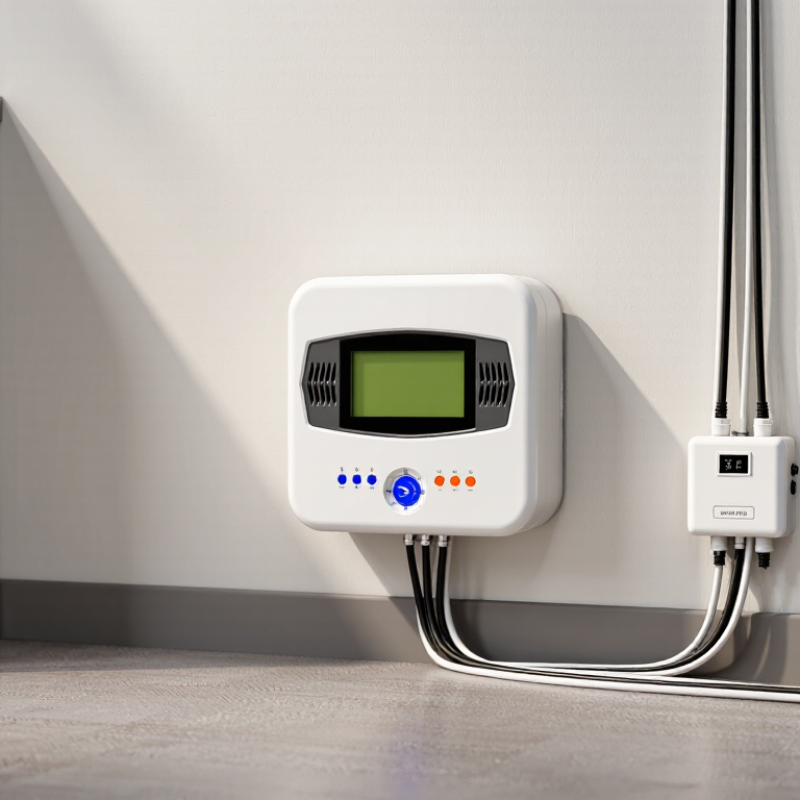
An LPG gas detector is a safety device that senses propane, butane, or similar combustible gases in the air. It does not identify liquid fuel directly. Instead, it monitors gas concentration near possible leak points. Most units use catalytic bead or semiconductor sensors. A catalytic sensor burns a tiny sample internally and measures the resulting heat change. Semiconductor sensors react when gas changes the material’s electrical resistance.
Because LPG is heavier than air, leaked gas may collect near floors, pits, or low cabinets. A detector is therefore often installed close to the floor, but placement depends on ventilation and room design. Placement matters. Kitchens, storage areas, and cylinder connections need different assessments. The alarm may provide sound, light, or relay output for ventilation equipment. Buyers should check detection range, response time, sensor life, and certification for the intended market.
Regular testing is essential. A calibration check confirms that the sensor responds at a known concentration, while a bump test checks basic alarm operation. Dust, grease, humidity, and aging can reduce accuracy. This is easy to underestimate. A detector can alarm late if installed behind furniture or near strong airflow. It can also produce false alarms when poorly maintained. Reliable use requires professional installation, scheduled testing, and replacement according to the manufacturer’s technical instructions and local safety requirements. No detector is perfect. Human inspection still matters.
